
‘Rage bait’ dominates social media, exploiting human psychology to drive engagement while leaving users trapped in cycles of online fury
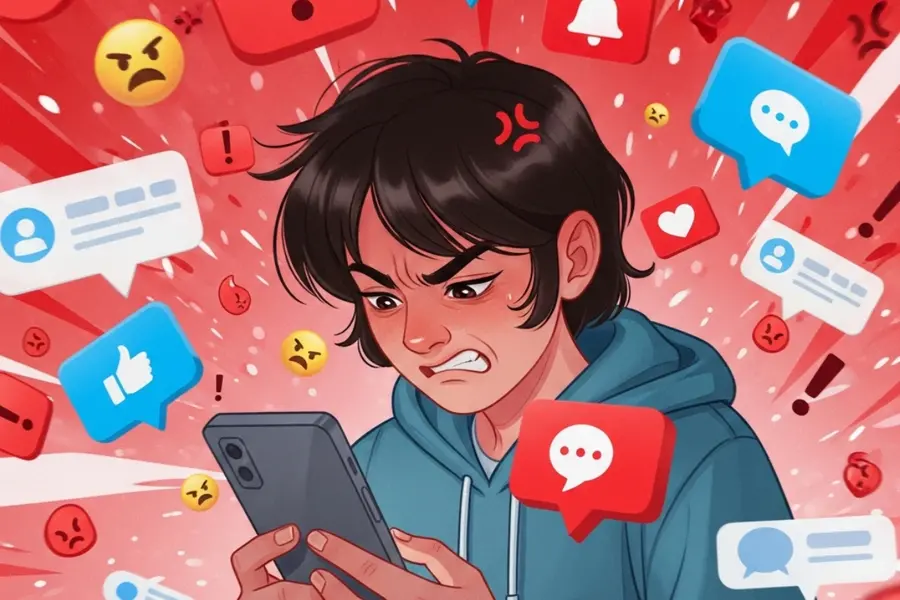
Scrolling through your feed, you suddenly see a post that makes your blood boil. Your fingers fly over the keyboard, you leave a comment, and five minutes later, you’re still fuming—and sharing it with everyone you know.
Congratulations, you’ve just fallen into the trap of “rage bait”—social media’s sneaky way of turning your anger into clicks, shares, and endless notifications. It turns out, your outrage isn’t just your problem—it’s part of the algorithm’s master plan.
Also Read

What is rage bait?
“Rage bait” is social media content deliberately designed to provoke strong negative reactions. The Oxford University Press named it Word of the Year, reflecting how pervasive these posts have become in online culture. Despite their provocative nature, they are highly effective because social media platforms reward engagement—regardless of whether it stems from anger or approval.
Why anger spreads faster than happiness
Humans have a negativity bias: evolution has primed us to pay closer attention to threats than pleasures. Anger signals a problem requiring action, whereas happiness suggests everything is fine. On social media, this bias means provocative content spreads faster, generating more clicks, shares, and comments.
The psychology of online mobs
People instinctively align with others who share negative emotions. Social media connects millions across the globe, amplifying this effect. The person posting rage bait becomes a “pantomime villain,” uniting audiences against them in a digital chorus of outrage. Unlike offline life, the 24/7 nature of social media offers no pause, leaving users constantly exposed to triggers.
Coping with rage bait
Awareness is key. Many posts exist purely to drive engagement rather than express genuine beliefs. Treat these creators as actors performing a role, driven by the pursuit of fame rather than truth. Avoiding interaction with rage-inducing content reduces its presence in your feed, giving users control over their digital environment.
Hope instead of rage
Emerging research shows users can be encouraged to pause and reflect before reacting to provocative content. Public visibility of social media also allows researchers to study these patterns and offer strategies to mitigate manipulation. By choosing engagement wisely, we can shift the digital landscape away from anger and toward more positive interactions.
The Gen Z effect
Terms like “parasocial,” “rage bait,” and “slop,” named words of the year by major dictionaries, illustrate how Gen Z navigates online culture. With millions of digital creators shaping behaviours, style, and opinions, understanding the mechanics of rage bait has become essential for digital wellbeing.
Published: 18 Dec 2025, 12:46 pm IST
Related Topics
Disclaimer: Kindly avoid objectionable, derogatory, unlawful and lewd comments, while responding to reports. Such comments are punishable under cyber laws. Please keep away from personal attacks. The opinions expressed here are the personal opinions of readers and not that of Mathrubhumi.