
Italian Brainrot: absurd AI characters take over TikTok & Instagram. Gen Z loves it, but experts warn of potential downsides.
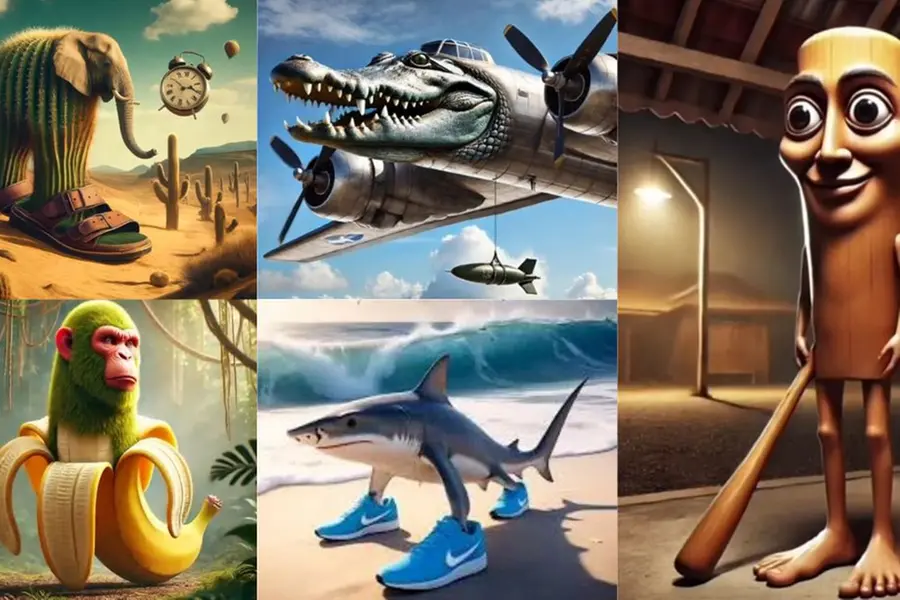
A new internet trend called “Italian Brainrot” is taking over TikTok and Instagram. It features absurd, AI-generated characters with fake Italian names—like a dancing shark in sneakers or a monkey-banana hybrid—set to chaotic music and exaggerated voiceovers. The videos are loud, strange, and deliberately nonsensical, but that’s exactly why Gen Z loves them.
Italian Brainrot reflects a growing appetite for fast, funny, and bizarre content that asks for no effort from the viewer—just quick laughs and instant scrollability. Now, brands are jumping in, hoping to catch Gen Z’s attention by mimicking the trend. But experts say the strategy has limits, and the trend may come with side effects, including overstimulation and shorter attention spans.
Meet the meme cast: Viral brainrot characters
At the heart of the Italian Brainrot trend is a rotating cast of grotesque yet oddly lovable AI-generated creatures. These characters have names that sound like butchered opera lyrics and visuals straight out of a fever dream. Some of the most popular include:
- Tralalero Tralalá: A sneaker-wearing shark who sprints, spins, and dances in chaos. He’s become the face of the trend.
- Chimpanzini Bananini: Half banana, half monkey. Often appears confused or in wild settings.
- Tung Tung Tung Sahur: A wooden log-like creature with a bat and hauntingly large eyes. His name is often chanted like a strange alarm.
- Bombardiro Crocodilo: A crocodile mixed with a fighter jet—sometimes in a tutu. A perfect parody of macho absurdity.
- Lirilì Larilà: A massive cactus-elephant hybrid wearing sandals, adored for his bizarre calmness and strange charm.
Each character brings its brand of weirdness, making them perfect for TikTok’s quick-scroll humor and Gen Z’s love for the absurd.
Why Gen Z can’t get enough of this viral trend
Italian Brainrot is tailor-made for Gen Z's digital habits. It’s fast, loud, absurd, and requires almost no effort to enjoy. According to GlobalWebIndex (GWI), 76% of Gen Z turns to social media primarily for funny content. This trend delivers exactly that. It's made up of short bursts of chaotic visuals, bizarre voiceovers, and strange characters, all of which rack up millions of views on platforms like Instagram Reels and TikTok.
Everything about Italian Brainrot is engineered for instant impact:
- The audio grabs attention within seconds.
- The visuals are overstimulating, often making users pause mid-scroll.
- The nonsense feels comforting—no deep thinking, just quick laughs.
It also appeals to Gen Z’s preference for participation. A YouTube report found that 65% of Gen Z not only watch viral content but also remix and recreate it. Italian Brainrot provides the perfect template—easy to replicate, easy to go viral.
Brands join the meme trend
As Italian Brainrot went viral, brands quickly joined in, eager to connect with Gen Z through humor and spontaneity. They’re not trying to sell products directly but rather show that they understand the trend and are part of the conversation. By creating or engaging with meme content, brands tap into Gen Z’s love for chaos and absurdity, offering relatable, low-effort entertainment that feels more like a joke than an ad.
Brands like Samsung and Ryanair have used the meme to promote themselves, with millions of views on social media platforms like Instagram Reels. Francesco De Nittis, a branding consultant at Human Centric Group, describes the trend as "loud, messy, and wildly popular." He adds, “It’s a masterclass in how smart brands use absurdity, speed, and cultural fluency to stay relevant.” This approach allows brands to stay visible in a fast-moving digital space, showing they can keep up with trends and participate in the ongoing meme cycle.
Concerns about the trend
While "Italian Brainrot" may seem like harmless entertainment, there are growing concerns about its content. Some characters in the trend, like "Bombardiro Crocodilo," have drawn criticism due to their disturbing and potentially offensive backstories. For instance, certain depictions involving violence or inappropriate references might not be suitable for younger audiences. This raises questions about the types of content young viewers have been exposed to recently, especially considering the rapid spread of such memes.
Experts have also pointed out that the fast-paced, chaotic nature of these videos may have unintended cognitive effects. Watching this type of content constantly can make it harder to focus, remember information, and think critically. Clinical psychologist Carlos Hidalgo notes that exposure to this kind of material may contribute to a decline in concentration and mental clarity, especially among younger viewers whose brains are still developing.
To safeguard mental health and cognitive development, it's important for parents and guardians to monitor screen time and be mindful of the content young people are consuming. Setting limits on device use and ensuring that content is age-appropriate can help avoid potential negative consequences.
Published: 29 Apr 2025, 06:53 pm IST
Related Topics
Disclaimer: Kindly avoid objectionable, derogatory, unlawful and lewd comments, while responding to reports. Such comments are punishable under cyber laws. Please keep away from personal attacks. The opinions expressed here are the personal opinions of readers and not that of Mathrubhumi.
