
Mahalaya 2026 is being observed on October 10, marking the end of Pitru Paksha and heralding the arrival of Devi Paksha. Know the date, significance, rituals and the story behind Mahishasura Mardini.
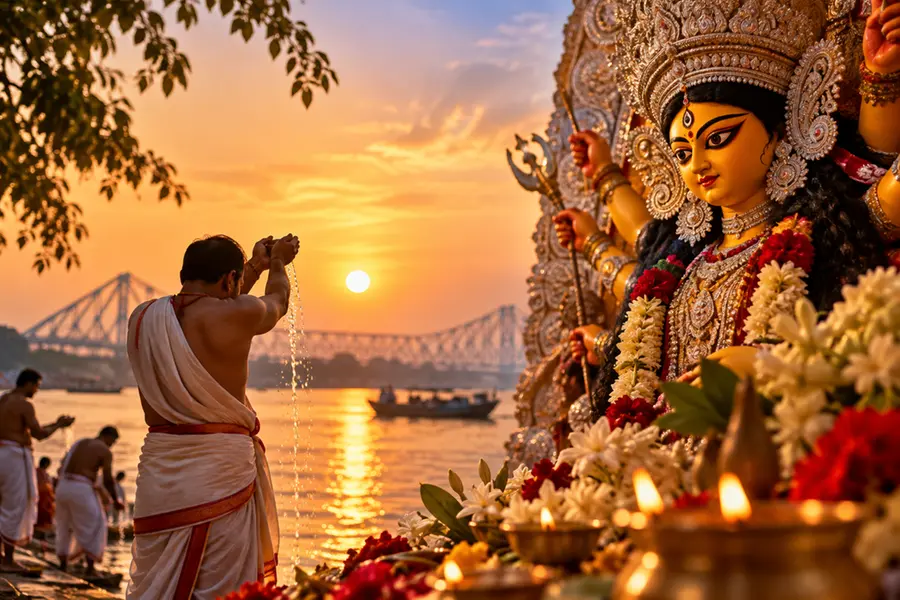
Mahalaya, one of the most significant occasions in Bengali culture, falls on Saturday, October 10, 2026, marking the end of Pitru Paksha and heralding the arrival of Devi Paksha, the auspicious period associated with Goddess Durga.
The day holds deep religious and cultural significance, particularly in West Bengal, where it signals the beginning of the countdown to Durga Puja.
Observed with prayers, ancestral offerings, and the traditional pre-dawn broadcast of Mahishasura Mardini, Mahalaya builds anticipation in Bengali households as they prepare to welcome Goddess Durga.
From its date and significance to the rituals devotees follow, here is everything you need to know about Mahalaya 2026.
Mahalaya 2026: Date and significance
Mahalaya falls on the Amavasya, or new moon day, at the end of Pitru Paksha in the Hindu lunar calendar. In 2026, it falls on Saturday, October 10.
Pitru Paksha is traditionally dedicated to honouring deceased ancestors through prayers and offerings. Mahalaya marks the conclusion of this period and the transition towards Devi Paksha, which is associated with the worship of the divine feminine.
In Bengal, Mahalaya is regarded as the symbolic beginning of the Durga Puja festivities. It evokes the belief that Goddess Durga is preparing to descend to Earth, bringing hope, protection and the promise of the triumph of good over evil.
Mahalaya 2026: What is the theme?
Mahalaya's central theme is the victory of good over evil, represented by Goddess Durga's battle against the demon Mahishasura.
The occasion also reflects the transition from remembrance and prayers for ancestors to the celebration of the divine feminine. For many Bengalis, Mahalaya represents devotion, cultural identity, renewal and the emotional beginning of the Durga Puja season.
Although the day is closely associated with the arrival of Goddess Durga, the formal rituals of Durga Puja take place later, culminating in the goddess's worship during the festival.
Mahalaya rituals: How is the day observed?
Several religious and cultural traditions are associated with Mahalaya. The most important include:
- Tarpan: Devotees offer water and prayers to remember their deceased ancestors. Many people visit riverbanks and other bodies of water to perform the ritual.
- Shraddha and ancestral offerings: Families perform prescribed rites to honour departed relatives and seek blessings for the well-being of their families.
- Prayers and meditation: Devotees spend the day in prayer and religious observance, reflecting on the occasion's spiritual significance.
- Charity and food offerings: Some families donate food, clothes or other essentials as an act of remembrance and religious merit.
- Listening to Mahishasura Mardini: Bengali households begin the day by listening to the iconic radio programme that narrates the story of Goddess Durga's battle against Mahishasura.
Rituals and customs may vary across families and regions. Those observing ancestral rites generally follow their family traditions or local priests' guidance.
Mahishasura Mardini: The iconic Mahalaya tradition
One of the most recognisable traditions associated with Mahalaya is listening to Mahishasura Mardini, the celebrated radio programme featuring Sanskrit chants, devotional songs and narration describing Goddess Durga's victory over Mahishasura.
The programme is famously associated with the voice of Birendra Krishna Bhadra, whose rendition has become an enduring part of Bengal's cultural heritage.
For generations, people across West Bengal and Bengali communities elsewhere have woken up before dawn to listen to the broadcast. For many, the programme is more than a religious observance: it is an emotional ritual that signals the arrival of the festive season.
Why is Mahalaya important to Bengalis?
Mahalaya occupies a special place in Bengali life because it connects religious belief with collective memory and cultural tradition.
For many families, the day brings together generations through shared rituals, familiar devotional music and memories of Durga Puja celebrations. It also marks the beginning of preparations for the festival, from planning family gatherings to visiting pandals as the celebrations approach.
While Mahalaya signals the symbolic arrival of Goddess Durga, it is distinct from Mahashashthi, which traditionally marks the beginning of the main Durga Puja celebrations.
As Mahalaya arrives, the familiar chants of Mahishasura Mardini and prayers for ancestors once again usher in one of Bengal's most cherished festive periods.
Published: 10 Oct 2026, 09:47 am IST
ABOUT THE AUTHOR

Related Topics
Disclaimer: Kindly avoid objectionable, derogatory, unlawful and lewd comments, while responding to reports. Such comments are punishable under cyber laws. Please keep away from personal attacks. The opinions expressed here are the personal opinions of readers and not that of Mathrubhumi.