
The 'Made in India scheme' is poised to be a pivotal association between the Atmanirbhar Bharat scheme and the Make in India initiative
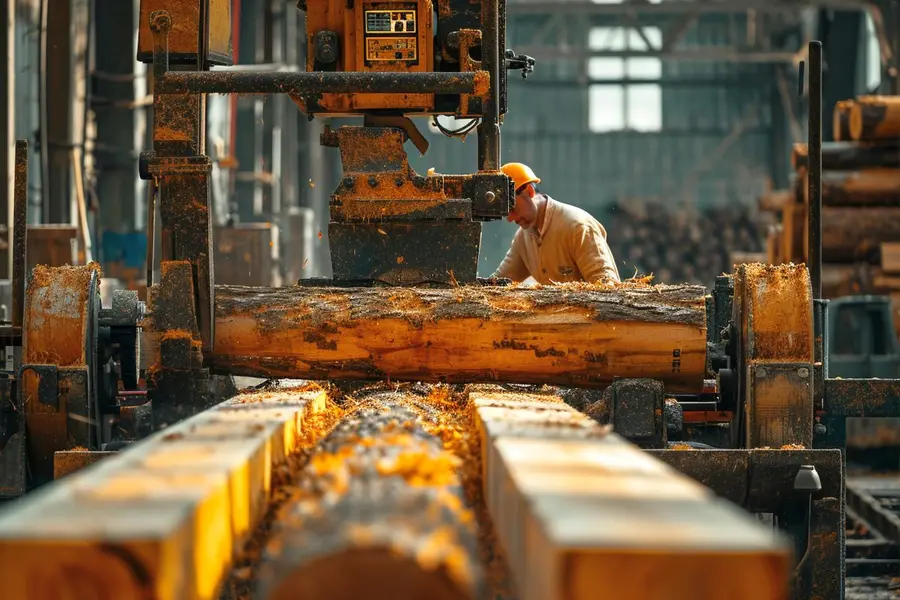
In a step towards unifying and highlighting the nation's manufacturing prowess, the Narendra Modi government has come out with a 'Made in India Label Scheme'. This new initiative is set to provide a distinct identity to Indian products, reinforcing the country's commitment to self-reliance (Atmanirbhar Bharat) and strengthening its position as a global manufacturing hub.
Building on the 'Make in India' vision
The scheme is a direct extension of the 'Make in India' initiative, which was first introduced in 2014 with the aim to facilitate investment, foster innovation, build world-class infrastructure, and establish India as a hub for manufacturing, design, and innovation.
Following the 'Atmanirbhar Bharat' scheme launched in May 2020 and the 'Vocal for Local' focus, the new label scheme seeks to enhance brand reputation, provide a stronger identity, and ensure wider reach for products manufactured in India.
What is the goal of Made in India Label scheme?
The primary goal of the 'Made in India Label Scheme' is to strengthen the reputation and guarantee the authenticity of products manufactured in India, particularly those crafted with locally sourced raw materials.
It operates as a voluntary certification scheme, allowing manufacturers to explicitly demonstrate that their products are manufactured in India and meet stipulated quality standards.
Each label will feature a QR code and a logo that consumers can scan to access vital information, including the manufacturing location, label validity, and other specific product details.
The core objectives of the scheme are designed to fortify India's manufacturing ecosystem and global competitiveness:
• To provide an identity to products based on their origin.
• To develop a mechanism for qualifying and branding products of Indian origin.
• To support the recognition of Indian origin products in both domestic and international markets.
• To strengthen the positioning of Indian products in competitive markets by indicating authenticity, quality, and differentiation.
The initiative is spearheaded by the Department for Promotion of Industry and Internal Trade (DPIIT). Crucially, the Quality Council of India (QCI) and the India Brand Equity Foundation are actively collaborating with DPIIT in an advisory capacity.
What is the eligibility and application process?
Manufacturers and producers are eligible to apply if they manufacture or assemble their products wholly or substantially in India.
A key requirement is that each product must also meet specific quality and manufacturing criteria set by relevant regulatory bodies.
The application process involves manufacturers applying through an official online portal, submitting necessary documents and product details.
The application then undergoes a thorough verification and approval process before permission to use the label is granted.
Click this link to register now
How much is the government investing in the scheme?
To support the scheme's rollout and sustained operation, the government has proposed an allocation of Rs 995 crore for three years, with the expectation that the scheme will become self-sustaining thereafter.
This financial commitment aligns with India's broader vision to become a SMART nation, characterized by Sustainability, Manufacturing capability, Atmanirbharta (self-reliance), high Ratings, and advanced Technology.
India's strong ranking at 10th place in the Global Quality Infrastructure Index (GQII) 2023 further underpins the credibility and quality standards that the "Made in India" label will uphold.
How is the Govt implementing this?
The roadmap for the scheme's success outlines a clear path, from establishing quality benchmarks to integrating digital verification via QR codes.
It focuses on targeting the Indian manufacturing sector, encompassing large-scale enterprises, Micro, Small and Medium Enterprises (MSMEs), and even entrepreneurs in farming, agriculture, fishing, aquaculture, and horticulture.
Key steps include:
• Selection of a Pilot Sector: This initial phase will identify a sector based on current quality standards, local trade value addition, and industry consultation, helping to define criteria and streamline analytics.
• Minimum Value Addition Criteria: A standard of 50% value addition is set, though exceptions may be made based on industry consultations.
• Phase-wise Approach: Products within the pilot sector will be identified, their value chains analyzed, and then final products and sub-components recognized for the "Made in India" label.
• Enterprise Onboarding & Certification: Compliant enterprises will be seamlessly onboarded onto the Made in India (MII) portal, and the label will be provided upon meeting quality standards and local value addition criteria.
Are there early successes across key sectors?
The 'Made in India' label has already begun to establish its presence across diverse sectors, symbolizing quality and national pride.
• Steel (2023): A "Made in India" branding project for steel products was launched, with two integrated steel producers already adopting it. This enables consumers to identify product details, ensures quality credibility, and allows manufacturers to position themselves under the "Brand India" umbrella internationally.
• Textile (2024): A Memorandum of Understanding (MoU) was signed between QCI and the Khadi Village and Industries Commission (KVIC) to develop the "Made in India Label framework." This initiative aims to integrate quality standards and national branding even in MSMEs, fostering their international growth.
• Electronics: Amendments to the Legal Metrology (Packaged Commodities) Rules 2011 have eased compliance for the electronics industry, mandating declarations through QR codes. Consumers can scan these codes to view essential information like manufacturer details, commodity name, size, and customer care details.
Published: 19 Aug 2025, 12:56 pm IST
Disclaimer: Kindly avoid objectionable, derogatory, unlawful and lewd comments, while responding to reports. Such comments are punishable under cyber laws. Please keep away from personal attacks. The opinions expressed here are the personal opinions of readers and not that of Mathrubhumi.
