
IVF is often seen as a woman's fertility journey, but sperm health can also influence fertilisation, embryo development and pregnancy outcomes.
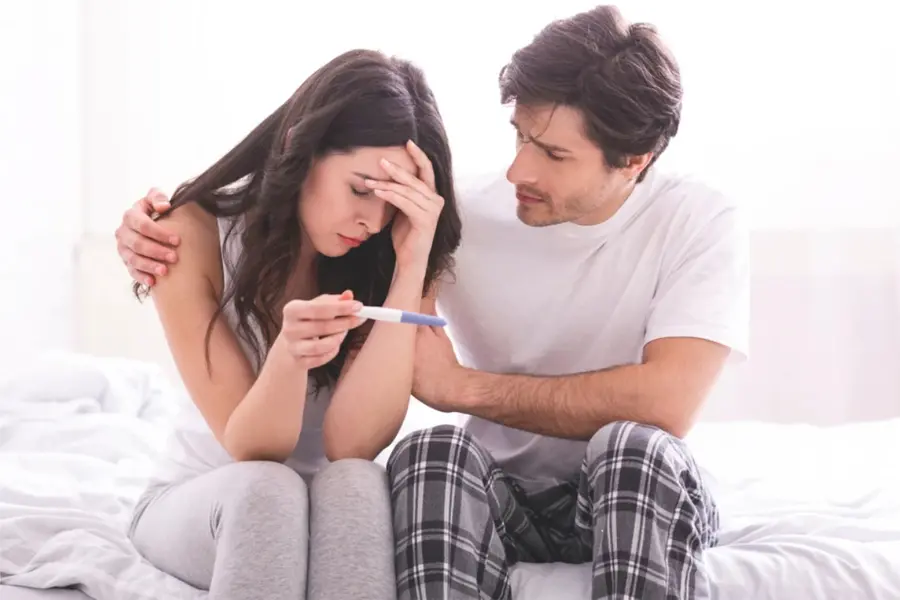
When an IVF cycle fails, the focus often turns immediately to the woman. But fertility is not a one-person equation. The quality of sperm can influence fertilisation, embryo development and the overall outcome of an IVF cycle, making male reproductive health an equally important part of the process.
Experts weigh in on why couples undergoing IVF should not treat male fertility as a secondary concern.
Male factors can play a significant role in infertility
IVF is often seen as a treatment centred around the woman because she undergoes hormonal stimulation, scans, egg retrieval and embryo transfer. However, an embryo is formed from both the egg and the sperm. This means the health of both partners can influence the chances of a successful pregnancy.
“Male factors are equally important as female factors with respect to conception,” Dr Ashwini Anilkumar, Founder of Anvita Ayurveda, tells Mathrubhumi English.
A man's fertility assessment can include semen parameters such as sperm count, motility and morphology. Depending on the situation, doctors may also recommend tests for sperm DNA fragmentation, hormonal imbalances and conditions such as varicocele.
A normal semen analysis may not tell the whole story
One of the challenges with male infertility is that a basic semen analysis may not always provide a complete picture of sperm health. Even when the count appears normal, other factors affecting sperm quality may still need to be evaluated.
Sperm health is influenced by the months before IVF
Unlike eggs, which are present from birth, sperm are continuously produced. A new cycle of sperm production takes roughly 74 days. This means a man's lifestyle and health in the months before conception can influence the quality of the sperm produced.
ALSO READ: World IVF Day: What happens to unused embryos after IVF?
Factors such as smoking, excessive alcohol consumption, poor sleep, chronic stress, lack of physical activity and obesity can affect sperm health. Prolonged exposure to heat and certain environmental toxins may also have an impact.
Dr Ashwini Anilkumar also points to deficiencies in nutrients such as vitamin D, vitamin B12, vitamin E and zinc as factors that may influence sperm health. However, these should be evaluated medically rather than treated through supplements without professional advice.
Stress and lifestyle can affect reproductive health
Stress is another factor that should not be overlooked. High stress levels, combined with a sedentary lifestyle and poor sleep, can negatively affect overall reproductive health.
“It's important to check both male and female parameters and then plan for conception,” Dr Ashwini Anilkumar says.
This is particularly relevant for couples undergoing IVF, where the focus can often become concentrated almost entirely on the woman's treatment.
What happens when male factors are identified?
Advances in fertility treatment have expanded the ways in which sperm can be assessed and selected during IVF.
Depending on the individual case, doctors may consider techniques such as ICSI, in which a selected sperm is injected directly into the egg.
ALSO READ: Who is Louise Brown? Everything to know about the world's first IVF baby
Other laboratory-based methods, including microfluidics, MACS, PICSI, IMSI and AI-assisted sperm analysis, may be considered in specific situations to assess or select sperm. These techniques are not automatically required for every couple. The appropriate approach depends on the underlying fertility issue and the couple's medical history.
IVF is a couple's journey
A failed IVF cycle does not automatically mean the problem lies with the woman. Male fertility can influence several stages of the process, from fertilisation and embryo development to the chances of a successful pregnancy.
This is why both partners need to be evaluated from the beginning. For a successful IVF outcome, both sides of the equation matter.
Published: 25 Jul 2026, 03:17 pm IST
ABOUT THE AUTHOR

Related Topics
Disclaimer: Kindly avoid objectionable, derogatory, unlawful and lewd comments, while responding to reports. Such comments are punishable under cyber laws. Please keep away from personal attacks. The opinions expressed here are the personal opinions of readers and not that of Mathrubhumi.