
Trek smarter with expert physiotherapy tips to prevent injuries, help you build strength and enjoy your trek with confidence.
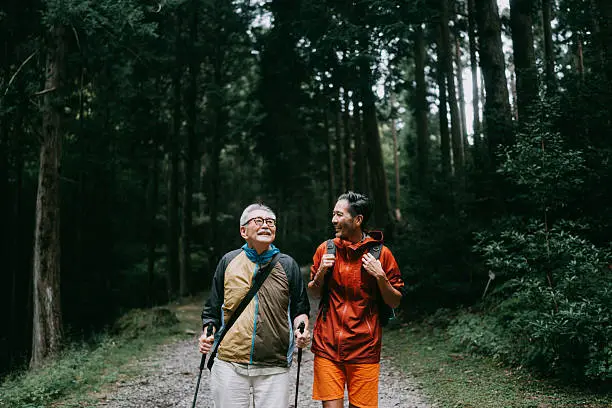
Trekking is more than just a weekend getaway. It’s a full-body workout wrapped in fresh air, mountains, and adventure. But if your body isn’t prepared, that beautiful trail can lead to sore knees, stiff backs, and sprained ankles.
Here’s what trekking does for your body and mind:
Also Read

- Cardiovascular health: Continuous uphill and downhill walking improves heart and lung capacity. Focus on steady-state activities like brisk walking, jogging, and incline treadmill training to improve heart and lung efficiency.
- Muscle strength and endurance: Trekking strengthens your quadriceps, hamstrings, calves, glutes, and core.
- Bone health: Weight-bearing activity helps improve bone density and may reduce the risk of osteoporosis.
- Joint mobility: Walking on uneven terrain improves balance, coordination, and ankle stability.
- Mental well-being: Nature, sunlight, and physical activity help reduce stress and anxiety while boosting mood.
In short, trekking builds stamina, burns calories, and refreshes the mind. But the hills don’t care if you skipped your preparation.
How to prepare your body for a trek
Most trekking injuries happen not during the trek itself, but because people start without adequate preparation. Long walks on slopes while carrying a backpack can place three to four times your body weight on your knees and ankles. Without proper training, you may be at risk of muscle strains, ligament sprains, IT band syndrome, shin splints, and lower back pain.
Start preparing four to six weeks before your trek:
- Build your cardio base with 45 minutes of walking, jogging, cycling, or stair climbing four to five times a week, followed by breathing exercises.
- Strengthen your legs, core, and back, as these muscles support both your body and your backpack.
- Improve flexibility by regularly stretching your calves and hamstrings to reduce the risk of cramps.
- Practice walking with a 5–8 kg backpack to improve posture and shoulder strength.
- Include balance and ankle exercises to improve proprioception and reduce the risk of ankle twists on uneven trails.
Exercises for healthy trekking
Perform these exercises three to four times a week, completing two to three sets of 12–15 repetitions.
- Squats and lunges: Build strength in the quadriceps and glutes. Add a backpack for trek-specific training.
- Calf raises: Help prevent calf cramps and improve ankle stability for uphill climbs.
- Step-ups: Use a stair or bench to mimic uphill trekking while strengthening the knees and legs.
- Planks and bird-dog: Improve core stability and protect the lower back while carrying a backpack.
- Hamstring and calf stretches: Hold each stretch for 30 seconds to maintain flexibility and reduce injury risk.
- Single-leg balance: Stand on one leg for 30 seconds, progressing to eyes closed, to improve ankle stability on rocky terrain.
During the final two weeks before your trek, include incline walking or treadmill sessions at an 8–10% incline.
Physiotherapist's advice: Trekking plan to avoid injuries
As a physiotherapist, here’s my field-tested checklist:
- Choose the right gear: Wear well-broken-in trekking shoes with good grip and ankle support. Trekking poles can reduce knee load during descents.
- Warm up before you begin: Spend 5–10 minutes doing ankle circles, leg swings, and brisk walking. Cold muscles are more prone to injury.
- Maintain a steady pace: Take short breaks every 45–60 minutes and avoid rushing uphill.
- Stay hydrated: Sip water every 20 minutes and carry ORS or lemon water to replenish electrolytes and help prevent cramps.
- Listen to your body: Mild muscle soreness is normal, but sharp joint pain, swelling, or numbness should never be ignored. Stop, rest, and apply ice if needed.
- Cool down and stretch: Stretch your calves, hamstrings, quadriceps, and back after the trek to reduce stiffness.
- Pack your backpack correctly: Keep the weight close to your back and limit it to no more than 10% of your body weight to reduce strain on your spine.
If you have a history of knee pain, ankle sprains, or back problems, consult a physiotherapist before your trek. A personalised prehabilitation plan and taping techniques can help support weak joints and reduce the risk of injury.
— Dr Sri Kalyani E, Senior Physiotherapist, Nutritionist and Special Educator, Shri Abhinava Vidyateerta Multi-Speciality Hospital, Sringeri.
Published: 22 Jul 2026, 04:56 pm IST
Related Topics
Disclaimer: Kindly avoid objectionable, derogatory, unlawful and lewd comments, while responding to reports. Such comments are punishable under cyber laws. Please keep away from personal attacks. The opinions expressed here are the personal opinions of readers and not that of Mathrubhumi.