
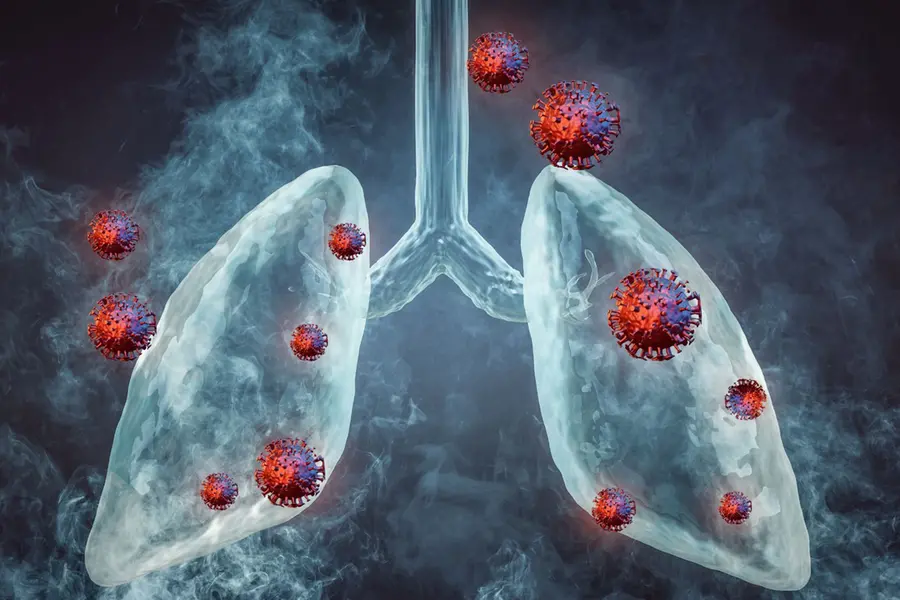
New Delhi: After five years of grappling with the Covid-19 pandemic, China is now facing a new respiratory crisis caused by the Human Metapneumovirus (HMPV). The virus has been spreading rapidly across the country, with alarming reports and social media posts indicating that hospitals and crematories are struggling to keep up with the influx of patients.
What is HMPV?
Also Read

Human Metapneumovirus (HMPV), discovered in 2001, belongs to the Pneumoviridae family, which also includes the well-known Respiratory Syncytial Virus (RSV). Despite being officially identified in 2001, studies have shown that HMPV has existed in humans for over 60 years and is found worldwide. The virus can cause both upper and lower respiratory diseases in individuals of all ages, though young children, older adults, and those with weakened immune systems are most vulnerable.
The symptoms and risks of HMPV
The symptoms of HMPV are similar to other respiratory illnesses, including cough, fever, nasal congestion, and shortness of breath.
However, recent reports suggest that the virus has been linked to a surge in sudden deaths, particularly among people aged 40 to 80. This has led to increased pressure on China's healthcare system, with crowded hospitals and rising pneumonia cases, especially among children.
One social media post noted: "China is facing a surge in multiple viruses, including Influenza A, HMPV, Mycoplasma pneumoniae, and Covid-19, overwhelming hospitals and crematoriums. Children's hospitals are particularly strained by rising pneumonia and 'white lung' cases."
Rising cases
The Chinese Centre for Disease Control and Prevention (CDC) reported in late December that the positive rate of HMPV in children under 14 had recently fluctuated and increased. According to China's state broadcaster CCTV, this surge in HMPV cases has become a significant concern, especially as the virus spreads rapidly throughout the population.
Li Tongzeng, a chief doctor at Beijing You’an Hospital, explained that HMPV is transmitted through respiratory droplets, person-to-person contact (like handshakes), and by touching contaminated objects. The virus has an incubation period of 3 to 5 days.
How to prevent
Experts recommend some basic but effective ways to prevent the spread of HMPV. These include wearing masks, washing hands frequently, and boosting immunity. It's also crucial to avoid close contact with infected individuals to reduce the risk of transmission.
Despite the growing concern, experts are advising against the use of antiviral drugs to treat HMPV. According to a respiratory expert from a Shanghai hospital, there is no vaccine for HMPV, and its symptoms resemble those of a common cold. The expert warned the public not to resort to antiviral treatments without proper guidance, as they might not be effective for this virus.
Global spread of HMPV
While HMPV was first detected in China, the virus has since spread to several countries worldwide. In 2023, it was identified in the Netherlands, the UK, Finland, Australia, Canada, the US, and China, highlighting its global reach and potential to cause widespread health concerns.
(Agency inputs)
Published: 03 Jan 2025, 11:43 am IST
Related Topics
Disclaimer: Kindly avoid objectionable, derogatory, unlawful and lewd comments, while responding to reports. Such comments are punishable under cyber laws. Please keep away from personal attacks. The opinions expressed here are the personal opinions of readers and not that of Mathrubhumi.