
Want to create viral 80s-style Kerala or Tamil Nadu photo? Try these ChatGPT prompts, plus a Gemini option if you run out of image generations.
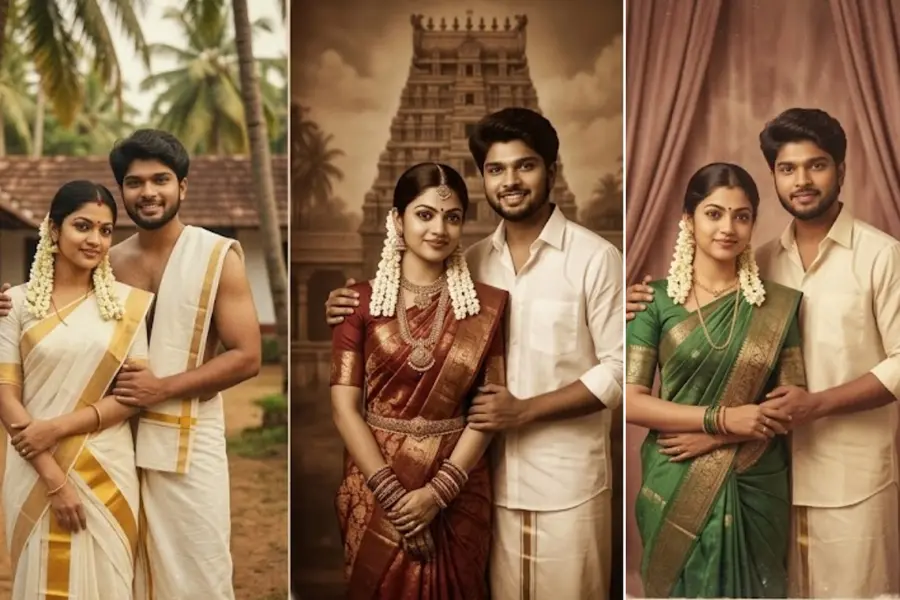
The 1980s are making a comeback on social media, but this time the nostalgia is being recreated with AI. People are using ChatGPT image generation to turn ordinary photographs into vintage portraits inspired by the fashion, hairstyles, colours and studio photography of the decade.
The trend becomes more interesting when the generic 1980s photo prompt is adapted to a particular region. Instead of simply asking ChatGPT to make a picture look “retro”, users can specify a South Indian state, traditional clothing, hairstyle, jewellery, setting and the kind of old studio photography they want.
That means the same photograph can be transformed into a Kerala-style family portrait, a Tamil Nadu-inspired vintage Kollywood picture or an old-school Karnataka studio photograph.
How to create an 80s look in ChatGPT
The easiest way to get a personalised result is to start with a clear reference photo and give ChatGPT a detailed 1980s AI photo prompt.
A vague instruction such as “make this look 80s” can produce a generic retro image. Adding details about the region, clothing, hairstyle, lighting, background and film texture gives the image generator much more direction.
For a 1980s Kerala look, users can ask for a traditional kasavu saree with its gold border, jasmine flowers in the hair and a setting inspired by a Kerala home or coconut-filled landscape. Earthy colours, soft daylight and a slightly faded, sepia-toned finish can help create the feel of an old Malayalam family photograph.
For a Tamil Nadu 80s look, a prompt can specify a Kanjeevaram silk saree, temple jewellery and jasmine flowers, combined with a vintage Chennai studio backdrop. Warm golden or sepia tones, soft vignette lighting and film grain can push the image towards the classic old-photo aesthetic.
A Karnataka-inspired 1980s photo can use a traditional silk saree, jasmine gajra and a soft studio setting with muted curtains. Warm diffused lighting and a slightly faded texture can help recreate the look associated with old Bengaluru and Mysuru studio portraits.
Users looking for an Andhra Pradesh-style 80s portrait can specify Pochampally or Gadwal silk, temple-style jewellery and a vintage Telugu cinema-inspired studio backdrop. Deeper reds, maroons and gold tones can give the image a more dramatic period feel.
The trick is in the prompt, not just the photo
The most important part of the ChatGPT 80s prompt is specificity.
Instead of simply writing “create an 80s picture”, users can mention the exact state, traditional outfit, jewellery, hairstyle, background, lighting and overall colour treatment they want.
The reference photograph also matters. A clear image gives the AI more information to work with and can make the final result more personalised.
ALSO READ: Viral AI photo trend lets you create emotional ‘childhood self’ portraits; Here’s how
For people experimenting with the retro 80s prompt trend, it can also help to describe the photograph as a particular type of image — such as an old family portrait, studio photograph or vintage cinema-inspired picture — rather than relying only on the word “retro”.
What if ChatGPT's image generation runs out?
For users who have already used their available ChatGPT image generations, the experiment does not necessarily have to stop there.
Gemini AI photo generation is another option to try for creating or transforming images, depending on the image-generation access available to the user.
The same basic approach applies: upload a suitable reference image and give the AI a detailed editing prompt describing the decade, regional style, clothing, hairstyle, setting and lighting.
So, if the goal is to create a 1980s Kerala photo, Tamil Nadu 80s picture, Karnataka vintage portrait or another South Indian retro look, users can experiment across AI image tools rather than relying on a single platform.
ALSO READ: ChatGPT caricature trend goes viral: Exact prompt, how to create yours in minutes
Try these 80s photo prompt ideas
Kerala:
“Transform this photo into a 1980s Kerala-style portrait. Dress the subject in a traditional kasavu saree with a gold border and jasmine flowers in the hair. Use a traditional Kerala home or coconut-palm setting, natural soft daylight, earthy tones and a slightly faded vintage film texture inspired by old Malayalam family portraits.”
Tamil Nadu:
“Convert this photo into a 1980s Tamil Nadu-style studio portrait inspired by vintage Kollywood photography. Dress the subject in a Kanjeevaram silk saree with traditional temple jewellery and jasmine flowers in the hair. Use a classic old Chennai studio backdrop, warm sepia tones, soft vignette lighting and subtle film grain.”
Karnataka:
“Turn this photo into a 1980s Karnataka-style studio portrait. Dress the subject in a traditional silk saree with jasmine flowers in the hair, inspired by Kannada cinema photography of the era. Use muted studio curtains, warm diffused lighting and a slightly faded vintage photograph texture.”
Andhra Pradesh:
“Recreate this photo as a 1980s Andhra Pradesh-style studio portrait. Style the subject in a Pochampally or Gadwal silk saree with traditional temple-style jewellery. Use a vintage Telugu cinema-inspired studio backdrop, warm lighting, rich period colours and classic film-photo texture.”
ALSO READ: After Nano Banana trend, here’s how people are making gorgeous retro AI portraits using Gemini
The appeal of the trend lies in how easily a modern photograph can be given a very specific regional and period identity. With the right editing prompt, a simple photo can be turned into an AI recreation of the 1980s without stopping at a generic retro filter.
Published: 11 Sept 2026, 09:02 pm IST
ABOUT THE AUTHOR

Related Topics
Disclaimer: Kindly avoid objectionable, derogatory, unlawful and lewd comments, while responding to reports. Such comments are punishable under cyber laws. Please keep away from personal attacks. The opinions expressed here are the personal opinions of readers and not that of Mathrubhumi.