
For consumers, the case raises a basic but unsettling question: what is real rum, and how is it supposed to be made?
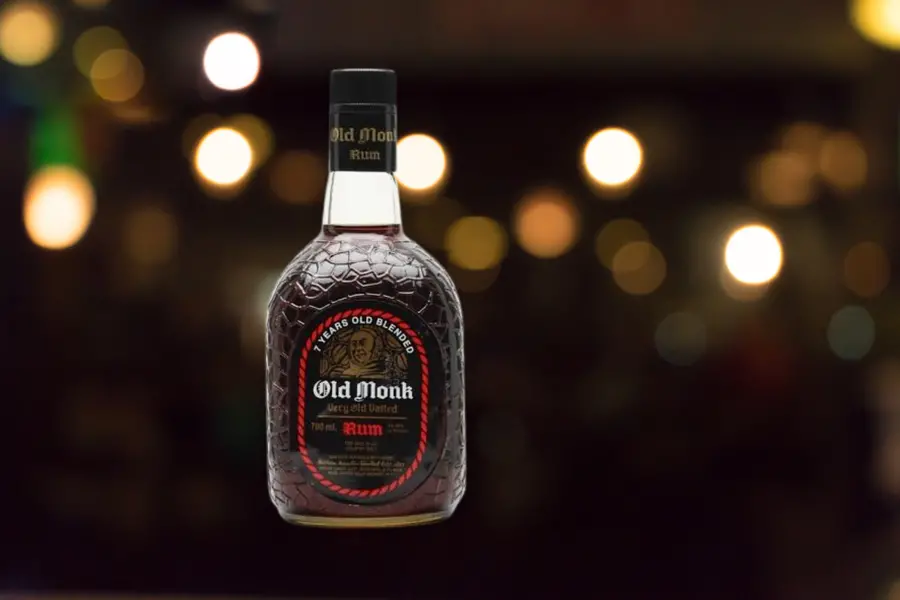
India’s most iconic dark spirit may soon lose its simplest identity claim. The Food Safety and Standards Authority of India (FSSAI) told the Bombay High Court a couple of days ago that Old Monk cannot be sold as “rum” in its current formulation because it is made primarily from unmatured neutral spirit blended with rum flavouring, rather than from traditionally distilled and aged rum. The regulator says the product should instead be labelled and sold as a “rum‑flavoured spirit”.
The submission marks the latest escalation in a wider crackdown on Indian Made Foreign Liquor (IMFL) brands accused of using artificial or “nature‑identical” flavourings to mimic the taste of aged spirits while relying on cheap neutral alcohol as the base. For consumers, the case raises a basic but unsettling question: what is real rum, and how is it supposed to be made?
What FSSAI is objecting to
FSSAI’s position, as presented in court, is straightforward. Old Monk variants under scrutiny are produced mainly from neutral spirit -- a high‑purity, largely flavourless ethanol -- with only a small share of matured rum spirit.
The characteristic rum taste and aroma are achieved by adding external rum flavouring, rather than through fermentation, distillation and wood aging of sugarcane‑derived wash.
Under the Food Safety and Standards (Alcoholic Beverages) Regulations, 2018, a product sold as “rum” must possess the “characteristic taste and aroma associated with rum” derived from standard production methods, not from added flavourings that imitate those traits.
The regulator’s laboratory tests reportedly found artificial or nature‑identical flavouring substances in several popular brands, including Old Monk rum variants, McDowell’s No 1 Rum, Bagpiper Deluxe Whisky, Old Cask Deluxe XXX Rum, Antiquity Blue Whisky and Royal Challenge Whisky.
Based on those findings, FSSAI issued prohibition‑of‑sale orders against specific manufacturing units and argued that such products must be reclassified as “rum‑flavoured spirit” or “whisky‑flavoured spirit” to avoid misleading consumers.
A particular flashpoint is the “7 years old blended” claim on some Old Monk labels. FSSAI contends that unaged neutral spirit is the main ingredient, while matured rum accounts for less than 5% of the blend, making the age statement potentially deceptive under labeling rules that require age claims to reflect the youngest spirit in the mix.
The court has not yet ruled on the merits. It granted FSSAI more time to examine revised label mockups submitted by Mohan Meakin (and associated manufacturers) and scheduled the next hearing for 11 September 2026.
What is “real rum”?
At its core, rum is a spirit made from sugarcane products -- typically molasses or, in some traditions, fresh sugarcane juice -- that is fermented, distilled and often aged in wooden casks. The flavour comes from the raw material, the fermentation and distillation process, and interaction with wood, not from added “rum essence”.
A simplified outline of traditional rum production:
Raw material: Molasses, a thick by‑product of sugar refining, or sugarcane juice. Molasses is rich in fermentable sugars and historically was a waste product before distillers turned it into alcohol.
Fermentation: The molasses or juice is diluted with water and inoculated with yeast. Over several days, yeast converts sugars into ethanol and a range of flavour compounds, producing a low‑alcohol “wash” or “wine”.
Distillation: The wash is distilled in pot stills, column stills or a combination. Pot stills tend to retain more congeners (flavour compounds), yielding a heavier, more aromatic spirit; column stills produce a cleaner, lighter distillate. The result is raw rum at high proof.
Aging: Many rums are aged in oak barrels (often ex‑bourbon casks). Over months or years, the spirit extracts colour and flavour from the wood -- vanillin, tannins, lactones -- and undergoes slow oxidation, developing notes of caramel, dried fruit, spice and smoke.
Blending and bottling: Master blenders mix rums from different casks and ages to achieve a consistent house style. In many jurisdictions, if an age is stated on the label, it must refer to the youngest rum in the blend.
Internationally, regulations in major rum‑producing regions (the Caribbean, Latin America, parts of the EU) define rum by its sugarcane origin and production process, and restrict or prohibit the use of flavourings that imitate rum character in products simply labelled “rum”. Added flavours, if permitted, must be clearly disclosed, and the product may need to be labelled as “flavoured rum” or “rum beverage”.
How Indian “rum” has traditionally differed
India’s IMFL sector evolved under excise rules that prioritised revenue and local raw materials over strict alignment with global definitions. Molasses‑based neutral spirit became the backbone of many budget and mid‑priced spirits.
Distillers would blend a small proportion of matured rum with large volumes of neutral alcohol and, in some cases, add permitted flavourings to approximate the taste of aged rum.
This model kept prices low and volumes high, helping brands like Old Monk become household names. But it also created a gap between what Indian consumers understood as “rum” and what international standards would recognise as such. FSSAI’s 2018 alcoholic beverages regulations sought to narrow that gap by prescribing characteristics for standardised categories like rum and whisky and discouraging the use of “rum flavour” in products sold simply as “rum”.
As industry observers note, neutral spirit itself is not the issue; molasses can be fermented, distilled and rectified into neutral alcohol legally. The regulatory objection is to selling a neutral‑spirit‑dominant, flavour‑adjusted blend as “rum” without clear disclosure, and to age claims that may not reflect the actual maturity of the bulk of the liquid.
What this means for Old Monk and similar brands
If FSSAI’s position is upheld and enforced nationally, several outcomes are possible:
- Relabelling: Old Monk variants in question may have to be marketed as “rum‑flavoured spirit” or similar, with clearer disclosure of composition and age. The “7 years old blended” claim may need to be dropped or qualified if the majority of the blend is unaged neutral spirit.
- Recipe changes: Manufacturers could increase the share of genuinely matured rum in the blend and reduce reliance on added flavourings, moving closer to international norms for “rum”. This would likely raise costs and, eventually, retail prices.
- Consumer perception: For a brand built on nostalgia and a distinct taste profile, any change in label or recipe risks alienating loyal drinkers. But it could also open a conversation about quality and transparency, especially among younger, more label‑literate consumers.
The Bombay High Court has asked FSSAI to specify exactly what information and requirements must appear on packaging so that products are “not misleading to consumers”, indicating that the final outcome may hinge as much on labeling clarity as on technical definitions.
Why the definition of “real rum” matters beyond one brand
The Old Monk case is a proxy battle over how India defines quality in its massive domestic spirits market. If “rum” can be mostly neutral alcohol with a dash of flavouring, then the category’s reputation rests on marketing, not method.
If, instead, “rum” must be anchored in sugarcane fermentation, distillation and wood aging, then price, process and provenance become central.
For consumers, the distinction is not academic. It affects:
- What you think you’re buying: A bottle labelled “rum” conjures images of sugarcane fields, copper stills and oak casks. If the liquid is largely neutral spirit with added flavour, that mental picture is, at best, incomplete.
- How age is understood: “7 years old blended” suggests a significant share of matured spirit. If matured rum is under 5% of the blend, the claim can be technically legal yet practically misleading.
- India’s alignment with global standards: As Indian brands eye exports and global competitions, divergent definitions create friction. A “rum” that passes in India may not qualify as such elsewhere without reformulation or relabelling.
The next hearing on 11 September will focus on whether FSSAI accepts the revised labels and what specific disclosures it demands. The broader question -- whether products like Old Monk can continue to be sold as “rum” at all -- may ultimately require clearer national guidelines or even amendments to the alcoholic beverages regulations.
Published: 05 Sept 2026, 11:26 am IST
ABOUT THE AUTHOR

Related Topics
Disclaimer: Kindly avoid objectionable, derogatory, unlawful and lewd comments, while responding to reports. Such comments are punishable under cyber laws. Please keep away from personal attacks. The opinions expressed here are the personal opinions of readers and not that of Mathrubhumi.