
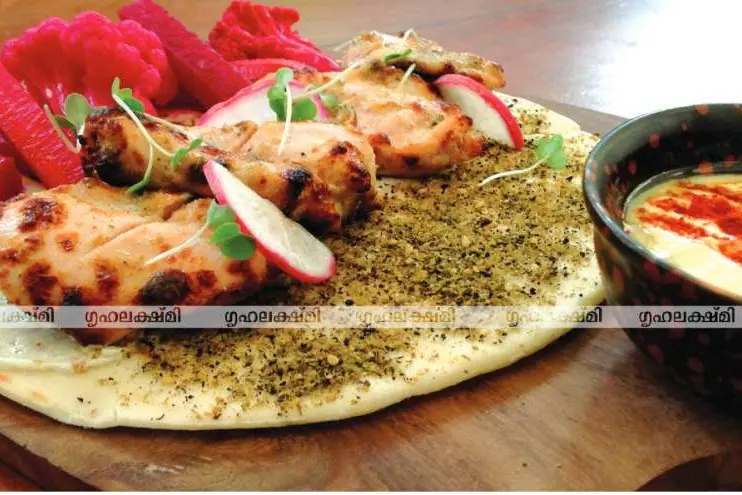
Bengaluru: Stringent measures have been put in place by the Karnataka government to combat the use of artificial colours in popular food items like chicken kebabs, fish, and vegetable dishes across the state. The Food Safety and Standards Department received several complaints regarding the widespread use of artificial colours in dishes, forcing them to take immediate action. The situation poses significant health risks to consumers.
Under the new regulations, offenders face severe penalties including fines of up to Rs 10 lakh and imprisonment ranging from seven years to life. The department's action was prompted by a comprehensive investigation that included the collection of 39 samples of kebabs from various establishments across Karnataka. Laboratory analysis revealed that eight of these samples contained sunset yellow and carnosine artificial colours, both classified as hazardous under Rule 3(1)(zz)(viii) of the Food Safety and Standards Act, 2006.
According to Rule 16.0 of the Food Safety and Standards (Food Products Standards and Food Additives) Regulations, 2011, the use of artificial colours is strictly prohibited due to the severe health risks associated with their consumption.
Earlier this year, in a proactive move to safeguard public health, the Karnataka government had already banned the use of artificial colours in other edible items such as gobi manchurian and cotton candy.
The implementation of these regulations underscores Karnataka's commitment to upholding food safety standards and protecting consumers from potential health hazards linked to artificial additives. By imposing significant fines and stringent legal penalties, the government aims to deter the unauthorised use of artificial colours in food preparation and ensure compliance with established regulatory frameworks aimed at maintaining the integrity and safety of food products.
Moving forward, rigorous monitoring and enforcement measures are expected to be enforced to ensure strict adherence to these regulations across all sectors of the food industry in Karnataka. This proactive approach reflects the government's determination to prioritise public health and safety in the realm of food consumption, setting a precedent for responsible governance and consumer protection in the state. IANS
Published: 25 Jun 2024, 11:33 am IST
Related Topics
Disclaimer: Kindly avoid objectionable, derogatory, unlawful and lewd comments, while responding to reports. Such comments are punishable under cyber laws. Please keep away from personal attacks. The opinions expressed here are the personal opinions of readers and not that of Mathrubhumi.
