
Some words can make us picture green fields, quiet villages and a slower way of life. Today’s word carries exactly that rural feeling.
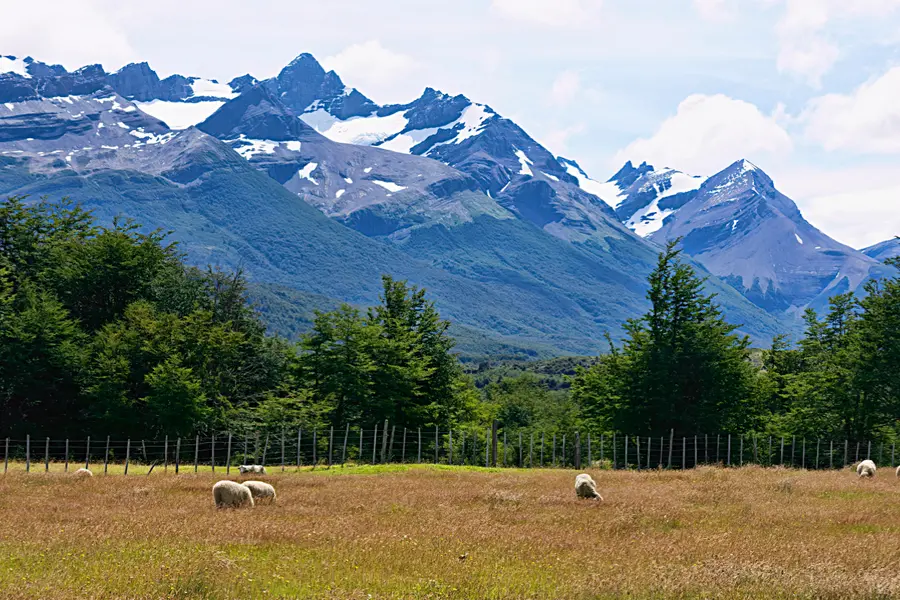
Word of the Day: BUCOLIC
Pronunciation: UK /bjuːˈkɒl.ɪk/ | US /bjuːˈkɑː.lɪk/
Meaning
Bucolic describes something connected with the countryside, especially when it is peaceful, simple and picturesque. It can describe a rural landscape, lifestyle or scene.
Examples for daily usage
- We spent a few days enjoying the bucolic countryside.
- The cottage had a wonderfully bucolic setting.
- The film opens with a bucolic scene of fields and grazing sheep.
Origin and history
Bucolic comes from the Greek boukolikos, meaning “pastoral” or “of herdsmen”. It comes from boukolos, meaning “herdsman” or “cowherd”, combining bous, meaning “ox” or “cow”, with a word connected with tending or caring for. It entered English in the 16th century, originally appearing as bucolical. The shorter form bucolic became established later.
The word’s literary history is closely connected with the bucolic poets of ancient Greece, especially Theocritus, whose pastoral poems about shepherds and rural life became an important influence on later writers.
Cultural significance and modern usage
Bucolic has long been associated with an idealised picture of country life. In literature, this often means shepherds, fields, animals, music and a close relationship with nature.
The tradition became particularly influential through Theocritus and later Virgil. Virgil’s Bucolics, also known as the Eclogues, contains ten pastoral poems featuring herdsmen and rural settings. His work helped establish pastoral poetry as an important literary tradition in Europe.
In modern English, however, bucolic is not restricted to poetry. It is commonly used to describe an attractive or peaceful rural setting. A countryside scene can be called bucolic even when there are no shepherds or references to pastoral poetry.
ALSO READ: Word of the Day, October 07: ‘Allegory’
Interesting facts
Bucolic can be used as both an adjective and a noun. As a noun, it can refer to a pastoral poem.
Bucolics is another name for Virgil’s Eclogues.
The Greek root behind bucolic is connected to cattle and herdsmen, which explains its original association with pastoral life.
Theocritus, who lived in the 3rd century BC, is regarded as one of the key figures in the development of bucolic or pastoral poetry.
The word does not necessarily mean completely untouched countryside. In modern usage, it can simply suggest that a place has a peaceful, charming rural character.
The opposite of a bucolic setting would generally be something urban, industrial or heavily developed, although urban is not a direct antonym.
Synonyms
- Pastoral
- Rural
- Countryside
- Rustic
- Idyllic
- Picturesque
- Antonyms
- Urban
- Industrial
- Metropolitan
- City-based
- Urbanised
Read more Word of the Day here.
Published: 08 Oct 2026, 08:00 am IST
Disclaimer: Kindly avoid objectionable, derogatory, unlawful and lewd comments, while responding to reports. Such comments are punishable under cyber laws. Please keep away from personal attacks. The opinions expressed here are the personal opinions of readers and not that of Mathrubhumi.
