Zuckerberg slashes metaverse budget by 30 pc; Meta’s shares surge as focus shifts to AI
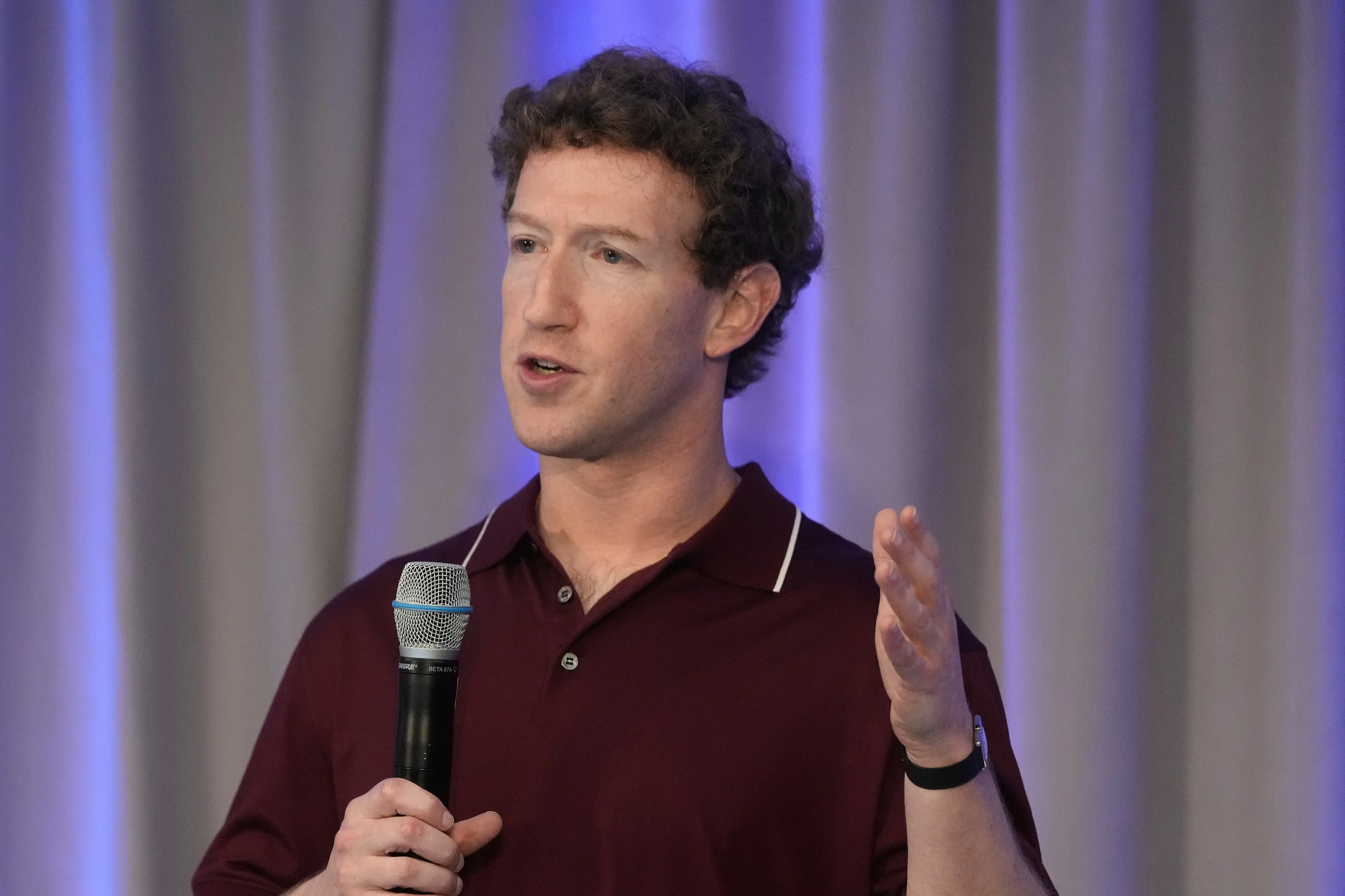
New York: In 2021, Mark Zuckerberg rebranded Facebook as Meta and proclaimed the metaverse — a digital environment where people would work, socialise and spend much of their daily lives — as the company’s next great frontier. He hailed it as the “successor to the mobile internet” and vowed that Meta would become “metaverse-first.”
Yet the metaverse has failed to offer consumers a compelling reason to abandon their phones or laptops. Despite years of investment, virtual reality is still hampered by fundamental technical constraints, and outside a niche gaming audience, there is little content that attracts sustained mainstream interest.
Chief Executive Mark Zuckerberg had poured vast sums into his virtual reality endeavour. Four years on, Reality Labs, the division responsible for VR headsets and metaverse development, has burned through more than $80 billion while generating only $9.7 billion in revenue.
Shares jump after reports of disinvestment
Meta’s shares surged on Thursday after reports emerged that the tech giant is preparing to slash spending on its metaverse ambitions, marking a significant pivot towards artificial intelligence.
According to Bloomberg, Meta is now planning to cut metaverse-related budgets by as much as 30 per cent as part of its 2026 financial planning. The report said senior executives, including Zuckerberg, held a series of meetings at his private compound in Hawaii last month to discuss the reductions. Shares climbed as much as 4 per cent in New York following the news, easing investor concerns over the multibillion-dollar gamble that has yet to pay off.
Cuts on this scale are expected to include layoffs as early as January, Bloomberg reported.
The shift marks a decisive reorientation of the company’s priorities. Zuckerberg has dramatically increased investment in artificial intelligence, reorganising Meta’s internal AI teams under the new Superintelligence Labs division. He has also launched an aggressive recruitment drive, targeting senior executives from OpenAI, Apple and Google with multimillion-dollar offers.
The latest high-profile hire, announced on Wednesday, is Alan Dye, formerly one of Apple’s top design leaders. He will oversee a new lab tasked with integrating AI capabilities across Meta’s products.
In hardware, Meta is leaning more heavily into augmented reality rather than virtual reality. Its smart glasses, developed with Ray-Ban and Oakley, have achieved an early lead in a market where rivals such as Google, Apple and Snap have struggled to gain traction. By contrast, VR headsets and Meta’s broader pitch for an immersive metaverse have yet to break out beyond a niche gaming audience.
Also read: Meta acquires AI wearables startup Limitless, New Ray-Ban Meta AI glasses react to wrist and finger signals
The company is racing to shore up its position in the rapidly accelerating AI sector after its latest Llama 4 model received a lukewarm reception. To power its ambitions, Meta is committing up to $72 billion in capital expenditure this year, as Big Tech firms collectively pour an estimated $400 billion into AI.
Zuckerberg is reportedly personally involved in talent acquisition, including offering large equity packages to startups and contacting prospective hires directly via WhatsApp.
Across the technology sector, firms are now reassessing projects that do not directly advance their AI strategies. Apple is reorganising parts of its leadership structure in response to AI pressures, while Microsoft is re-examining the “economics of AI.” Amazon, Google and Microsoft are each funnelling billions into cloud infrastructure to keep pace with soaring demand.
(With AFP inputs)