Should you buy iPhone 17 now? Here’s why Apple’s 2025 iPhone still makes sense before iPhone 18
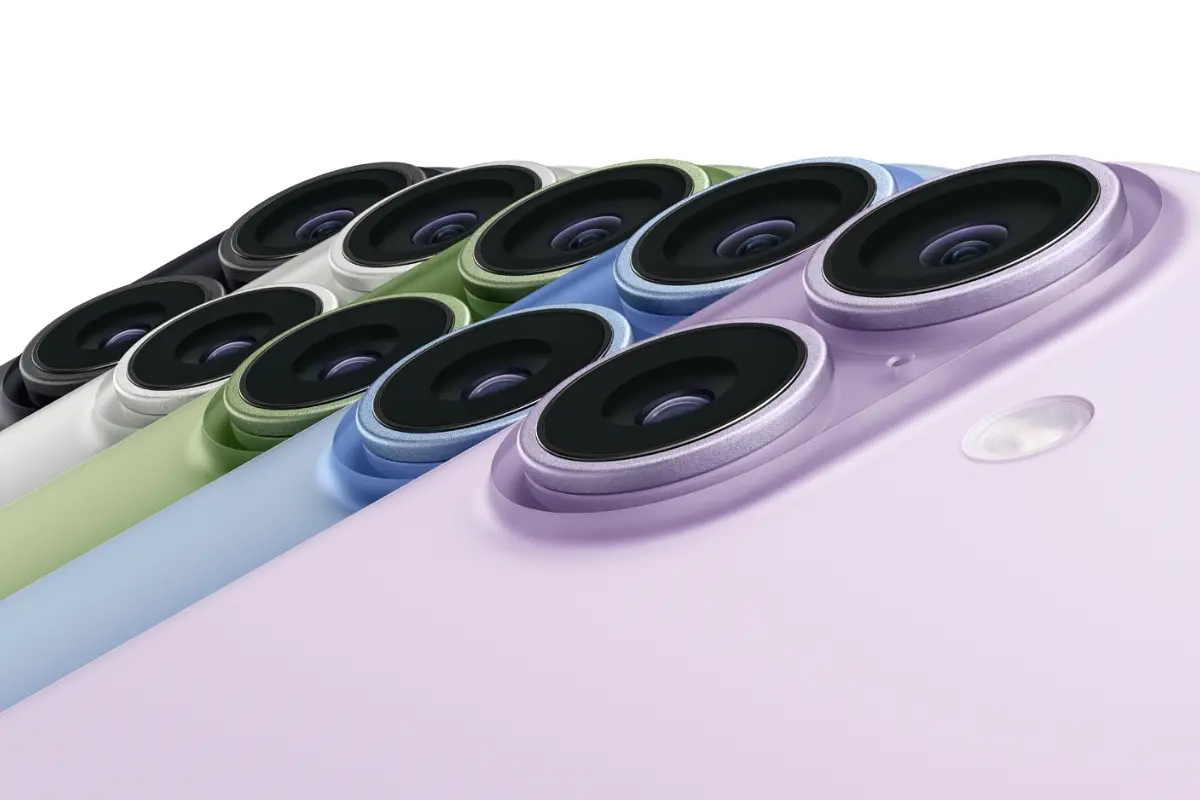
With Apple’s next major iPhone event just around the corner, prospective buyers face the usual dilemma: Should you buy the iPhone 17 now or wait for the iPhone 18?
The answer may be less straightforward than it normally is. The iPhone 17 arrived with several long-awaited upgrades that narrowed the gap between Apple’s standard model and its more expensive Pro lineup. A smoother 120Hz display, improved durability and a redesigned selfie camera made the standard iPhone 17 a significantly stronger proposition.
Also read | iPhone 18 launch: Date, time, live stream and what Apple may unveil
A year later, the phone is also becoming more attractive from a price perspective as Samsung and Google have increased prices for some entry-level flagship models amid higher memory costs linked to demand from artificial intelligence applications and data centres.
That makes the iPhone 17 one of the more affordable entry-level flagship options for buyers who want a premium phone without spending heavily on a Pro model.
iPhone 17 vs iPhone 18: Should you wait?
Apple is expected to unveil its next-generation iPhone lineup at its September 9 event, dubbed “Surprise and Shine.”
The September event is expected to focus on the iPhone 18 Pro and iPhone 18 Pro Max, along with Apple’s first foldable iPhone, which could be positioned as an iPhone Ultra.
Also read | iPhone shipments in India could rise 40%; Foldable may grab 24% share
However, the standard iPhone 18 is reportedly following a different launch schedule. Apple is expected to delay the regular iPhone 18 until spring 2027, when it could arrive alongside the iPhone 18e and the next-generation iPhone Air.
That creates an unusual situation for buyers in 2026.
If you want a standard iPhone without paying the premium for Apple’s upcoming Pro models, the iPhone 17 could remain a compelling option through early 2027.
iPhone 17 gets a pro-level display
One of the biggest improvements introduced with the iPhone 17 was its display.
Apple finally brought a 120Hz adaptive refresh rate to the standard iPhone, putting it much closer to the company’s Pro models and competing Android flagships.
Also read | iPhone 18 Pro’s secret colour may have just leaked before Apple event
The higher refresh rate makes everyday actions such as scrolling through webpages, navigating menus and switching between apps feel noticeably smoother.
The display is also brighter and less reflective than previous standard iPhone models, making it easier to use outdoors or under bright lighting.
The smaller bezels further enhance the viewing experience, giving the iPhone 17 a more modern appearance.
Better cameras make the iPhone 17 more versatile
The iPhone 17 also received meaningful camera upgrades.
On the rear, it features a 48-megapixel wide camera and a 48-megapixel ultrawide camera, with the latter representing a substantial upgrade over the 12-megapixel ultrawide camera found on the previous generation.
The cameras deliver sharper images, improved indoor photography and strong video performance.
Also read | iPhone 18 Pro launch on September 9: See biggest upgrades, camera changes and new colours here
The biggest change, however, is on the front.
Apple introduced an 18-megapixel square selfie sensor, allowing users to capture landscape selfies without physically rotating the phone. The camera can also automatically adjust its framing depending on how many people are in the shot.
Centre stage is more than a gimmick
The new selfie camera also enables Apple’s Centre Stage feature.
Centre Stage automatically tracks the subject during video calls, keeping them in the frame even when they move around.
The feature works with FaceTime as well as third-party applications such as WhatsApp.
The square sensor also improves stability during selfie video recording, making it particularly useful for users who frequently record themselves.
The iPhone 17 also supports Dual Capture, another feature that allows users to record using the front and rear cameras simultaneously.
What about iPhone 17 durability?
Apple also upgraded durability with its latest generation of iPhones.
The iPhone 17 uses Ceramic Shield 2, which is designed to provide better resistance against scratches and drops.
While long-term durability can vary depending on usage, the upgrade gives the standard iPhone additional protection and further reduces one of the historical distinctions between Apple’s regular and Pro models. Hardware is not the only factor to consider.
The iPhone 17 currently runs iOS 26, which introduced a redesigned interface, greater customisation, and additional Apple Intelligence features.
However, software stability has been a mixed experience for some users.
Reported issues include unexpected volume changes, keyboard lag and problems with the Control Centre when the phone is used in landscape mode.
Apple’s upcoming iOS 27 update is expected to address several of these issues.
The new software also brings features such as improved Control Centre support in landscape orientation, separate volume controls for different functions, generative AI-powered spatial reframing in Photos and a new Siri mode within the Camera app.
iPhone 17 battery life remains a strong point
Battery performance is another reason the iPhone 17 remains competitive.
In CNET’s 45-minute endurance test involving activities such as streaming, social media browsing, video calls and gaming, the iPhone 17 dropped from 100% to 98% battery — matching the iPhone 17 Pro.
That placed it among the strongest-performing phones tested by CNET over the previous year.
Long-term battery performance can vary, however, and continued use and software updates may affect idle battery drain. The upcoming iOS 27 update could therefore be important for users experiencing battery-related issues.
What is Apple expected to launch on September 9?
Apple’s September 9 event is expected to be headlined by the iPhone 18 Pro and iPhone 18 Pro Max.
The biggest potential new addition could be Apple’s first foldable iPhone, which may carry the iPhone Ultra branding.
The foldable is expected to feature a book-style design, with reports pointing to a roughly 5.5-inch outer OLED display and a 7.8-inch inner OLED screen.
It could measure around 4.5mm when unfolded and approximately 9mm when folded.
Other reported features include a liquid-metal hinge, reduced display crease, Touch ID instead of Face ID, cameras on both displays, two rear cameras and MagSafe support.
The device could also feature Apple’s next-generation A20 Pro chip, a 2nm processor, 12GB of RAM and the company’s C2 modem.
A large battery in the range of 5,400mAh to 5,800mAh has also been reported.
The foldable iPhone is expected to be significantly more expensive than the standard lineup, with estimates starting around $2,000 and potentially reaching $2,500.
iPhone 18 Pro could get a price increase
The iPhone 18 Pro and Pro Max are expected to retain a design broadly similar to their predecessors while introducing several internal and camera upgrades.
Reports suggest Apple could make the Dynamic Island smaller, while colour options may include dark cherry, light blue and silver.
Camera improvements could include a variable-aperture system and a wider telephoto aperture, while Apple’s C2 modem may also be included.
The Pro models could cost $100 to $300 more, depending on the configuration.
That could make the iPhone 17 even more attractive to buyers who do not need the newest Pro features.
So, should you buy the iPhone 17 now?
For buyers who need a new iPhone before spring 2027, the iPhone 17 remains a strong choice.
Its 120Hz display, improved cameras, Centre Stage, better durability and strong battery performance have significantly reduced the compromises traditionally associated with Apple’s entry-level flagship.
The decision becomes more complicated if you specifically want the latest technology.
If you’re interested in Apple’s first foldable iPhone, the iPhone 18 Pro or iPhone 18 Pro Max, waiting for the September 9 event makes sense.
But if your priority is getting a premium iPhone without spending $1,100 or more on an upcoming Pro model, the iPhone 17 could offer better value.
With the regular iPhone 18 reportedly not arriving until spring 2027, the iPhone 17 may have an unusually long window as Apple’s most accessible flagship iPhone.