Watch Artemis II live on Netflix at 12:15 am IST as Moon flypast begins
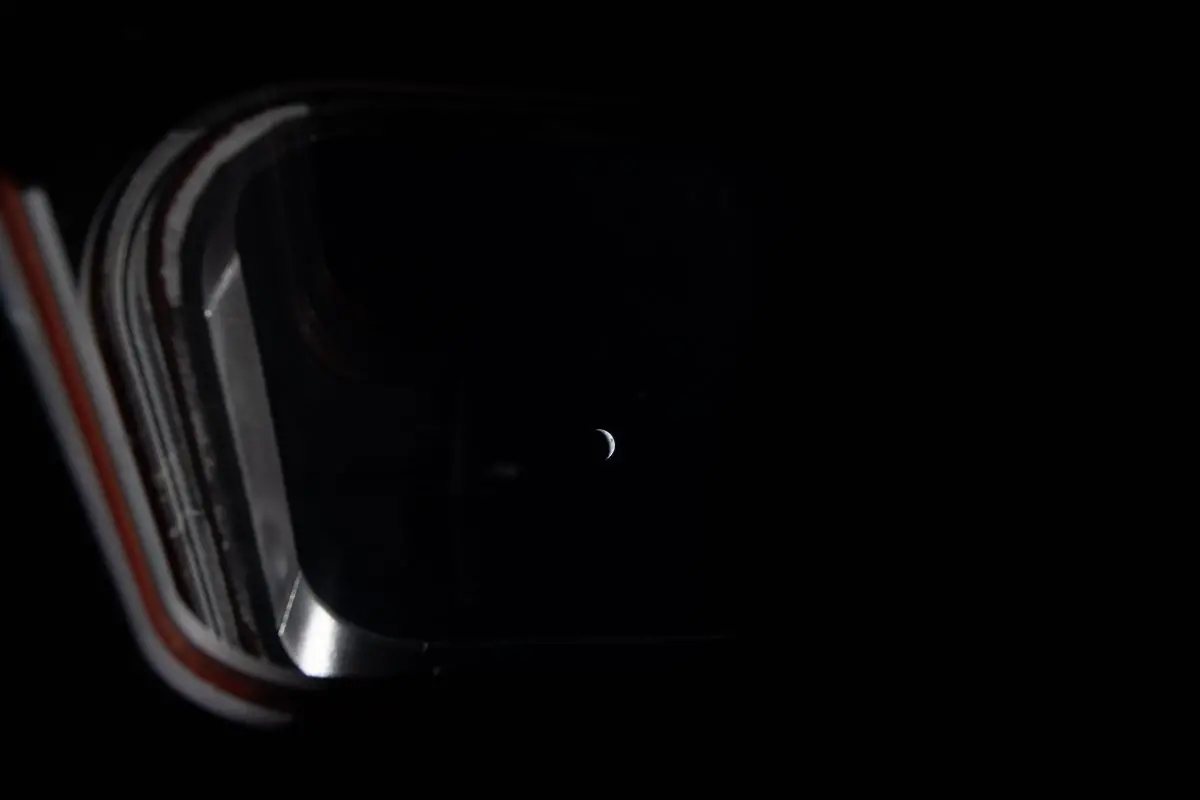
NASA’s Artemis II mission is set to hit its most dramatic milestone today, as astronauts aboard the Orion spacecraft prepare to fly around the Moon in a historic lunar flyby, an event that will be broadcast live across multiple platforms, including Netflix.
The nearly seven-hour flypast is scheduled to begin around 6:45 pm GMT (12:15 am IST Tuesday) and conclude at approximately 1:20 am GMT. Viewers across the globe can tune in via NASA’s official website, YouTube, Amazon, and Netflix, with live commentary from both the crew in space and mission control teams in Houston, Texas.
First lunar flyby in over 50 years
This marks the first time since the Apollo era that humans will travel around the Moon.
The Artemis II astronauts will pass behind the Moon’s far side—an area permanently hidden from Earth, triggering a temporary communications blackout lasting about 40 minutes.
The mission, which lifted off on April 1 from Kennedy Space Center in Florida, has already pushed the boundaries of human space travel.
During the flyby phase, the crew is expected to surpass the distance record set by Apollo 13, reaching as far as 252,757 miles (406,772 km) from Eart, the farthest any human has ever traveled.
What to expect during the flypast
NASA has cautioned that the extreme distance may affect video quality during the livestream. Still, the broadcast is expected to offer rare insights, including live observations from astronauts and expert analysis from Earth.
As Orion loops around the Moon, astronauts will capture images and document surface features, becoming the first humans to directly observe certain regions of the lunar far side.
NASA notes that partial illumination during the flyby will create long shadows across the terrain, enhancing visibility of craters, ridges, and slopes.
According to NASA planetary geologist Noah Petro, the Moon will appear to the crew “about the size of a basketball held at arm’s length,” offering a unique visual perspective.
Rare celestial events and mission significance
Toward the end of the flyby, astronauts are expected to witness a rare solar eclipse lasting roughly 53 minutes, as the spacecraft aligns perfectly with the Moon and the Sun.
The flyby also marks a critical phase where the Moon’s gravitational pull overtakes Earth’s influence, allowing Orion to slingshot around the lunar body and venture even deeper into space.
Artemis II is a key step in NASA’s broader plan to return humans to the Moon and eventually send astronauts to Mars, this time with a more diverse crew, breaking from the all-male, all-white astronaut teams of the Apollo missions.
With millions expected to watch worldwide, today’s flypast is not just a technical milestone, but a defining moment in humanity’s renewed journey into deep space.