Strawberry Moon: Why this full moon is special in 2025, and when and where to watch it
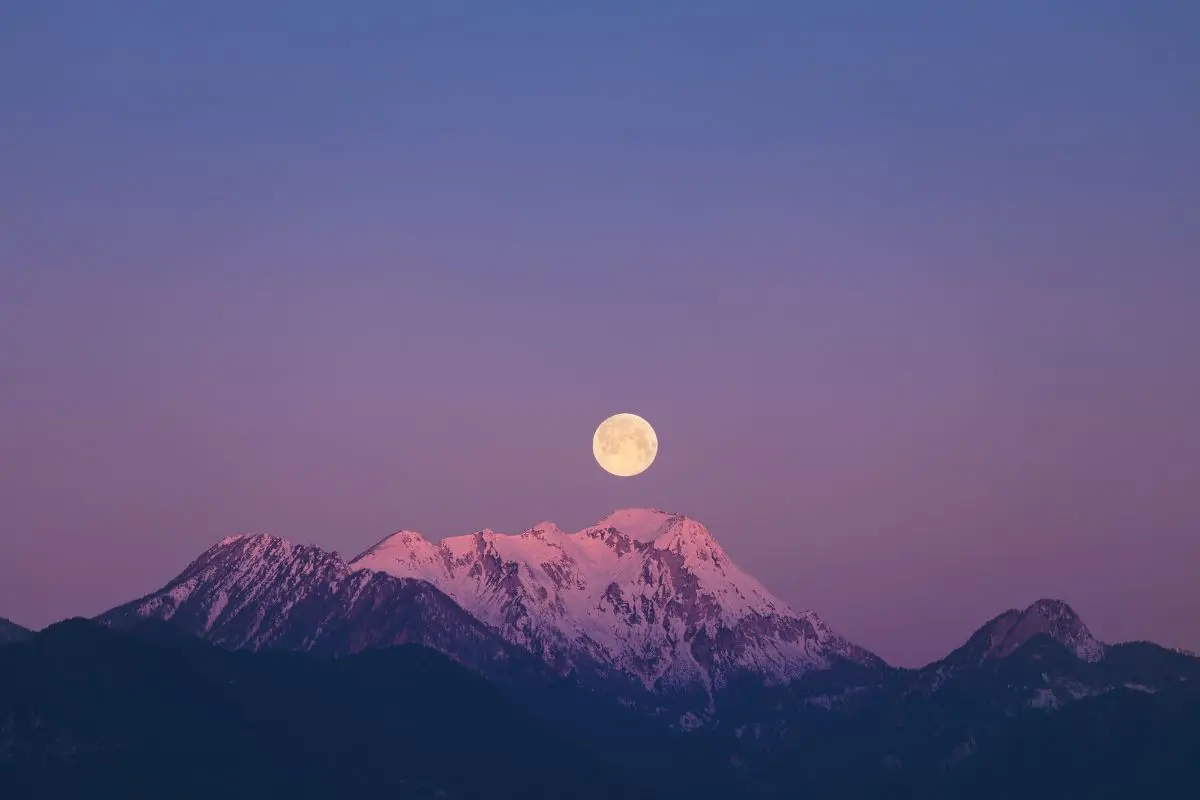
Despite its sweet-sounding name, the Strawberry Moon has nothing to do with the moon’s colour. The name dates back to the Algonquin tribes of northeastern North America, who observed that this full moon marked the time to harvest wild strawberries. The tradition of naming full moons based on seasonal events has been passed down through generations and remains widely used across the United States and beyond.
What makes the 2025 Strawberry Moon special?
This year’s Strawberry Moon will reach its full phase at 3:44 a.m. EDT on June 11, which corresponds to 1:14 p.m. IST. However, the most visually stunning experience will take place during moonrise on the evening of June 10, when it appears low and large on the horizon.
The 2025 occurrence is particularly notable as it coincides with the rare phenomenon of a Great Lunar Standstill, which happens roughly once every 18.6 years. During this period, the tilt of the Moon’s orbit reaches its peak, causing the Moon to rise and set at its most extreme points along the horizon. Under clear skies, this unusual movement can be spotted by the naked eye in many parts of the world.
When and where to watch it in India
Indian skywatchers can expect the Strawberry Moon to rise in the southeastern sky just after sunset on June 10. For the best view, observers should find an open area away from city lights. Cities such as Delhi, Mumbai, Bengaluru, and Kolkata will have good visibility from around 7:00 p.m. onwards, depending on local sunset timings.
This particular full moon occurs near the summer solstice, which means it takes a low, extended path across the sky. This can create a “moon illusion,” where the Moon looks unusually large and rich in colour — a dramatic sight for viewers across the country.
What are the other full moons of the year?
The Strawberry Moon is one of many full moons named after natural and agricultural cycles. Other traditional names include:
- Wolf Moon (January): Associated with howling wolves in mid-winter
- Snow Moon (February): Known for heavy winter snowfall
- Worm Moon (March): When earthworms reappear in thawed soil
- Pink Moon (April): Named for blooming pink wildflowers
- Buck Moon (July): Signalling the growth of new antlers in bucks
- Harvest Moon (September/October): Occurs during crop harvesting season
- Cold Moon (December): Marks the beginning of winter
According to NASA and the Old Farmer’s Almanac, the Strawberry Moon is the sixth full moon of the year, followed by July’s Buck Moon and the Harvest Moon later in the autumn.