NASA’s $30 million mission to rescue Swift telescope fails: What went wrong in space?
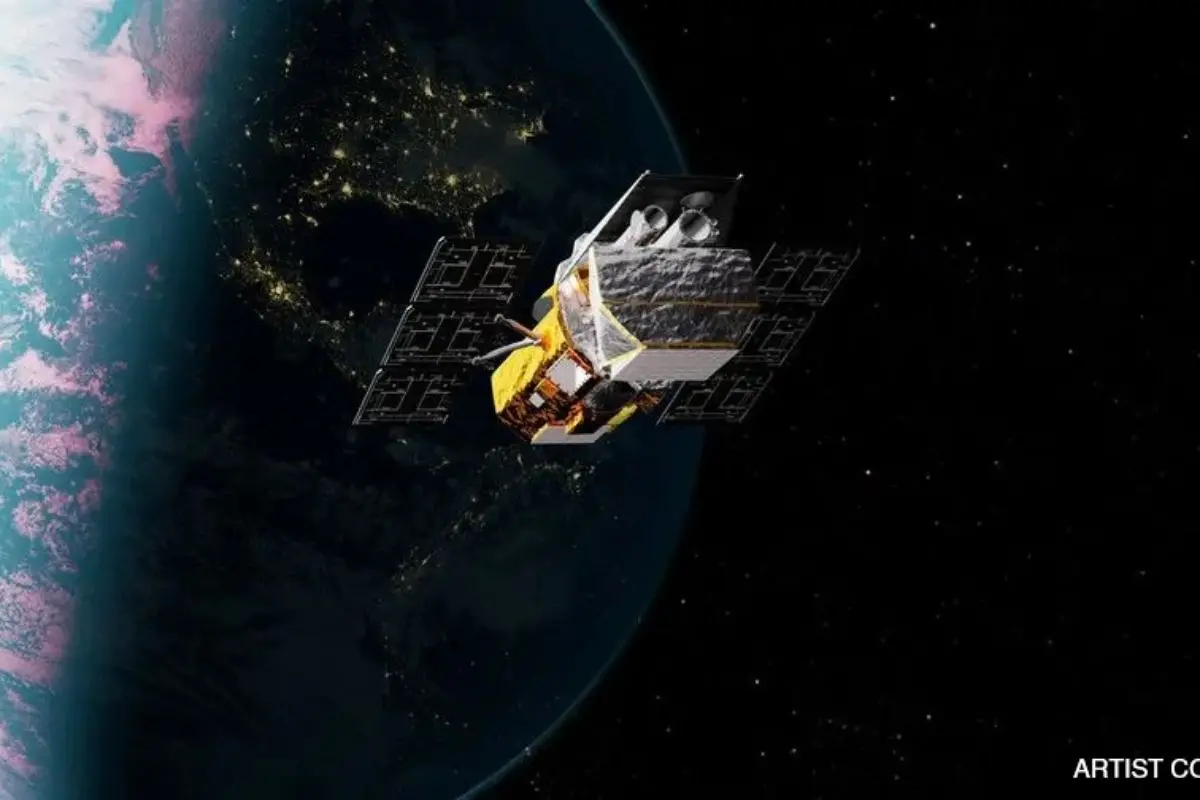
A $30 million NASA mission designed to grab an ageing space telescope and push it into a higher orbit has failed, after the rescue spacecraft itself lost control in space.
The mission was meant to do more than save NASA’s Swift space telescope from an eventual fiery return to Earth. It was also an unprecedented test of whether robotic spacecraft could capture satellites in orbit and extend their lives, a capability that could be used for future satellite-servicing missions.
Instead, the rescue spacecraft developed multiple problems, including a loss of communication, and eventually entered an uncontrolled spin.
What went wrong with the rescue spacecraft?
The unmanned spacecraft, developed by US startup Katalyst, was launched on July 3 aboard a Pegasus rocket. The small rocket was carried into the air on an aircraft before being released to launch the spacecraft.
But the rescue attempt ran into trouble weeks later.
On July 28, Katalyst said the spacecraft had been spinning out of control for 72 hours and was facing multiple problems, including a loss of communications.
When NASA and Katalyst called off the rescue attempt, the company cited “ongoing attitude control issues” as the reason.
In simple terms, the spacecraft could no longer reliably control its orientation in space — a critical problem for a mission that required it to navigate toward another satellite and eventually capture it.
Why was NASA trying to save Swift?
The target of the mission was NASA’s Swift space telescope, launched in 2004 to study gamma-ray bursts — some of the most powerful explosions in the universe.
Swift has spent more than two decades observing these events, but its orbit has been gradually declining. Without intervention, NASA now expects the telescope to eventually re-enter Earth's atmosphere and disintegrate.
The rescue mission was designed to prevent that.
The plan was to send a robotic spacecraft to rendezvous with Swift, grab it and move it into a higher orbit, allowing the telescope to continue operating and carrying out scientific observations.
That makes the failure more than a simple spacecraft malfunction. The mission was also a test of a technology that could become increasingly important as more satellites occupy Earth's orbit.
NASA says the mission was still worth attempting
NASA Administrator Jared Isaacman said the failed outcome did not change the value of attempting the mission.
“The team moved with extraordinary speed to give Swift a chance to carry out more science while advancing capabilities America will need for satellite servicing in the future,” Isaacman said.
NASA said the spacecraft would still attempt to reach Swift, with the hope that the effort could provide scientists and engineers with lessons for similar missions in the future.
With AFP inputs