Microsoft to invest $15.2 billion in AI and cloud expansion in UAE
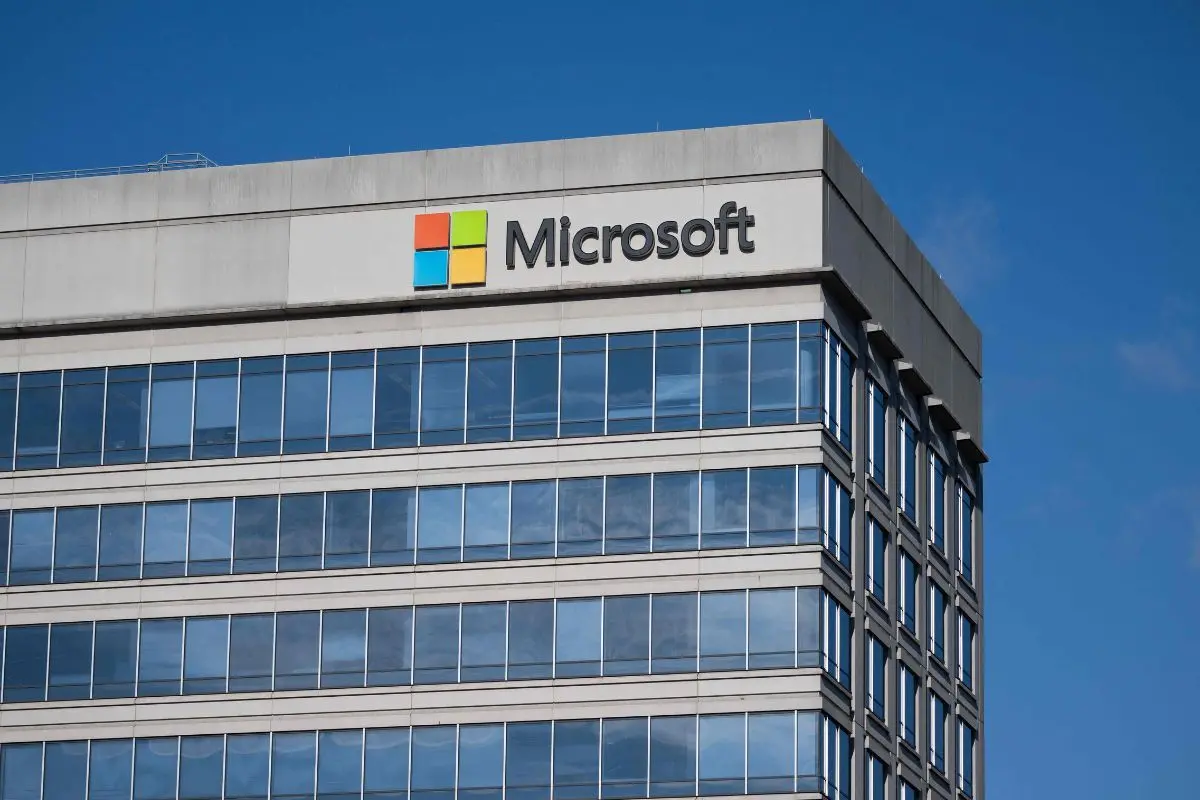
Abu Dhabi: US tech giant Microsoft has announced a sweeping $15.2 billion investment in artificial intelligence (AI) and cloud computing infrastructure in the United Arab Emirates (UAE), marking one of its largest regional expansions to date.
Microsoft's vice chairman and president, Brad Smith, revealed that the company had already invested $7.3 billion in the Gulf nation since 2023 and plans to inject an additional $7.9 billion by the end of 2029.
“This is not money raised in the UAE. It’s money we’re spending in the UAE,” Smith wrote in a blog post published during his visit to Abu Dhabi.
The announcement, which comes amid rapidly growing global competition for AI infrastructure, sent US chipmaker Nvidia’s shares up by 2.6%, as investors bet on expanded access for its advanced GPUs in new markets.
Major expansion of AI
According to Microsoft, roughly two-thirds of the investment will go toward building AI and cloud data centres across the UAE, while the remaining portion will cover local operating expenses.
Smith said the project had been encouraged by both the US and UAE governments, and is being carried out in partnership with G42, the UAE’s sovereign artificial intelligence company.
The move further strengthens the tech relationship between the two countries and underscores the UAE’s ambition to become a global hub for AI innovation and computing power.
First export licenses for advanced chips
In his post, Smith highlighted Microsoft’s history of cooperation with US authorities, noting that the company was the first to receive export licenses under President Donald Trump’s administration to supply GPU chips to the UAE.
“In some cases, Washington has restricted international access to some of America's industry’s most advanced processors of the type that can run the latest AI models,” Smith wrote.
While the UAE remains a close US ally and a key investment destination, Washington has maintained strict controls to prevent advanced chips from being diverted to geopolitical rivals such as China.
Microsoft emphasised the “substantial work we did to meet the strong cybersecurity, national security, and other technology conditions required by these licenses.”
The company said that updated export licenses, granted in September, now permit it to “ship the equivalent of 60,400 additional A100 chips … involving Nvidia’s even more advanced GB300 GPUs.”
“We’re using these GPUs to provide access to advanced AI models from OpenAI, Anthropic, open-source providers and Microsoft itself,” Smith added.