Three generations, still no 120Hz? Why is Apple refusing to fix this iPad mini flaw?
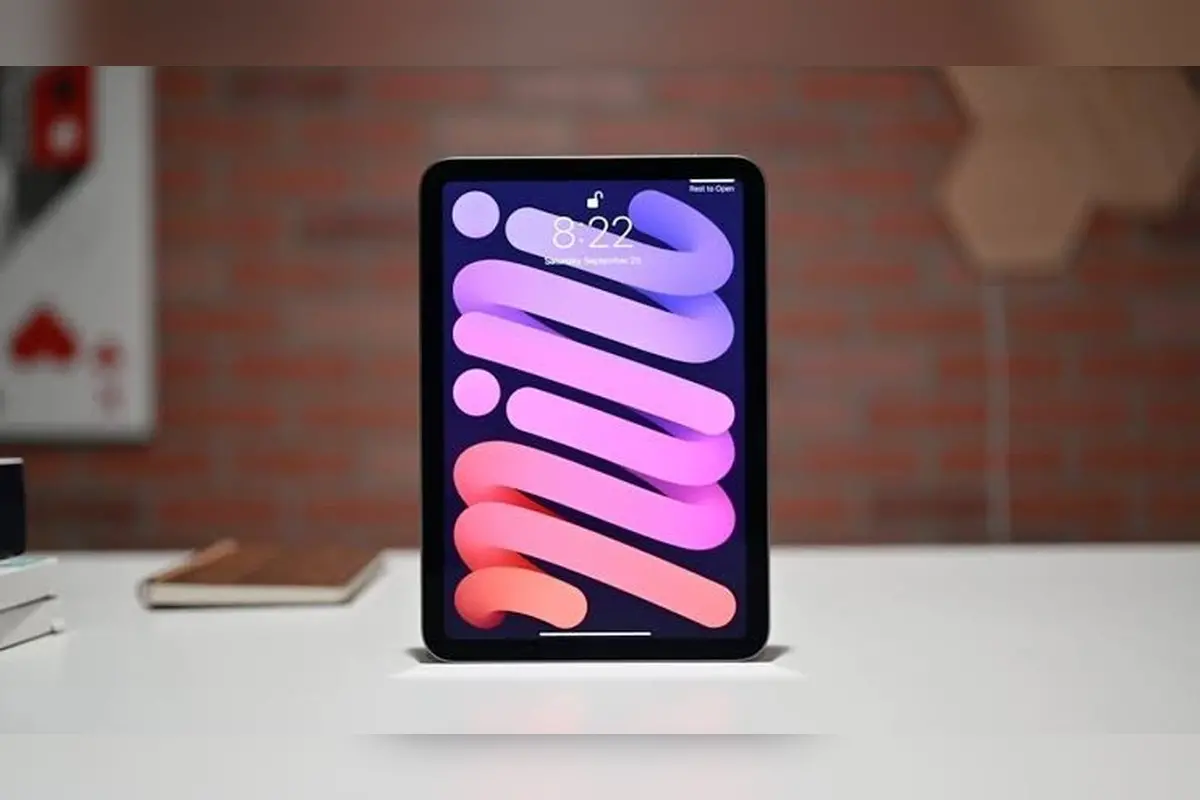
Three generations and multiple hardware upgrades, yet it still lacks a 120Hz display. Apple's latest iPad mini brings OLED to its compact tablet lineup, yet a familiar omission is once again drawing criticism from prospective buyers.
Unveiled on October 26, thQuestione new iPad mini features a larger 8.5-inch OLED screen, a thinner and lighter design, the A20 Pro chip and water and dust resistance.
However, the display is still reported as a 60Hz panel, rather than offering ProMotion technology with refresh rates up to 120Hz.
The decision has revived an old debate around Apple's compact tablet. The 2021 iPad mini, followed by the A17 Pro-powered model in 2024, also retained 60Hz displays.
With the latest release, Apple appears to have carried the same limitation into a third consecutive generation, even as it makes significant improvements elsewhere.
While Apple's official specifications highlight the latest model's OLED technology, improved brightness, and contrast, they don't explicitly list a refresh rate.
The reported continuation of 60Hz, therefore, remains an important distinction when discussing the device's specifications.
For critics, however, the issue is straightforward. A premium tablet arriving in 2026 without a 120Hz display feels like an unnecessary compromise, especially when faster refresh rates are commonplace across a wide range of competing devices.
A major upgrade with one conspicuous omission
Apple has plenty to celebrate with the new iPad mini. The 8.5-inch OLED display is larger than the 8.3-inch screen used in the previous two generations.
The company says the new panel offers higher contrast and more than twice the peak brightness of its predecessor. Buyers can also opt for a nano-texture display finish.
The A20 Pro chip promises a substantial performance improvement, with Neural Accelerators in every GPU core and a dual 16-core Neural Engine configuration.
Other additions include a 12MP Center Stage front camera positioned along the landscape edge, an Acoustic Display, faster wireless and cellular connectivity, and fast-charging support.
Yet, the absence of a faster refresh rate has overshadowed some of these improvements in online discussions.
A 60Hz display refreshes its image 60 times per second, while a 120Hz panel can refresh it 120 times per second. The higher rate can make scrolling, animations and supported games appear smoother.
Apple's ProMotion technology also adjusts the refresh rate dynamically, depending on what is being displayed.
The difference may not matter to everyone, but it matters to those who value smoother visuals. For these buyers, upgrading to OLED doesn't necessarily compensate for the lack of a higher refresh rate.
The criticism has been particularly sharp in discussions about the tablet's price. Some commenters have questioned whether the new model offers sufficient value without ProMotion, while others have pointed to the lack of Face ID and the 128GB storage option as additional reasons for hesitation.
One highly liked comment argued that Appleis price should include both ProMotion and Face ID.
The commenter added that Apple's reasons for raising the price wouldn't change consumers' perceptions of the device's value.
Why the third consecutive generation matters
The 60Hz debate is not limited to the latest launch. Apple's 2021 iPad mini introduced an 8.3-inch Liquid Retina LCD display, while the 2024 model brought the A17 Pro chip and Apple Pencil Pro support. Neither generation introduced ProMotion.
The 2026 model brings a more substantial display upgrade, replacing LCD with OLED and increasing the screen to 8.5 inches. However, the reported 60Hz retention means the company has yet to address a recurring criticism of the series.
The distinction matters because OLED and refresh rate describe different aspects of a display.
OLED technology can improve contrast and black levels, while a higher refresh rate can improve the perceived smoothness of motion. One does not automatically deliver the benefits of the other.
Apple's closest Android competitor, the Redmagic Astra 2, offers a 185Hz refresh rate.
Although a higher number doesn't automatically make a tablet superior in every respect, the comparison shows how far some competing devices have pushed display specs.
The new iPad mini's performance, software, portability and ecosystem may still make it attractive to buyers. Nevertheless, its display specs are likely to remain a sticking point for consumers who expect premium tablets to offer more than better brightness and contrast.
Is Apple betting that most buyers will not care?
Apple may have a practical reason for the decision. The iPad mini has traditionally been used for business applications, including restaurant order management, mobile payment terminals and warehouse inventory systems. These tasks do not necessarily benefit from a 120Hz display.
Many everyday users may also be satisfied with 60Hz, particularly if they primarily use their tablets for reading, browsing, watching videos or handling routine tasks.
Not everyone notices the difference between refresh rates, and some buyers may prioritise battery life, portability or processing power instead.
Apple may therefore be betting that most customers will value the OLED upgrade and improved performance more than ProMotion. If its core audience is largely indifferent to refresh rates, the decision may have little impact on demand.
But a feature that is unnecessary for one group of customers can still be a decisive factor for another.
For those who value smoother scrolling and animations, the absence of 120Hz may be hard to overlook, especially on a premium-priced device.
Ultimately, Apple's latest iPad mini presents a familiar contradiction. It introduces meaningful improvements in screen technology and performance while leaving one long-standing point of criticism unresolved for a third consecutive generation.
Whether that trade-off matters commercially will depend on what buyers value most.
For now, the debate around the new iPad mini suggests that, for some consumers, a brighter OLED screen isn't enough to make the missing 120Hz experience disappear.