Leaked roadmap reveals Apple’s bold 2027 plan? Two iPhone launches, one historic upgrade
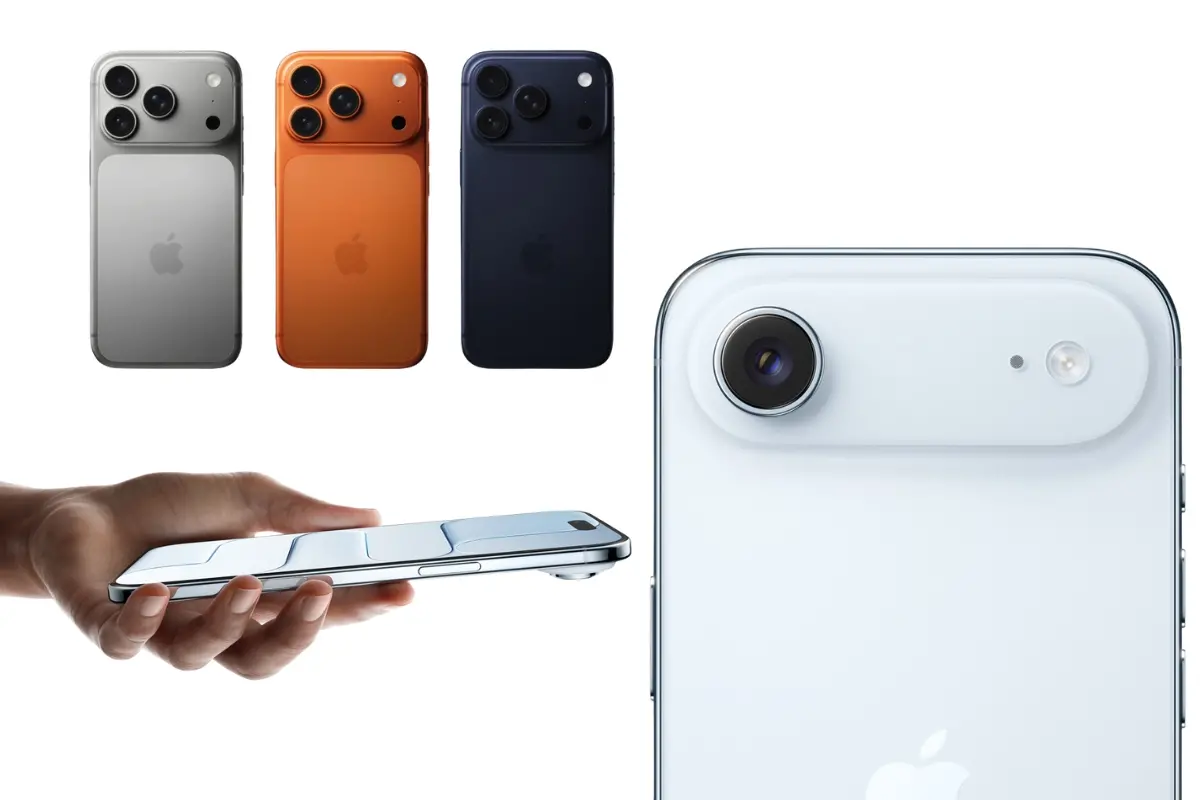
Apple is reportedly preparing to change its long-established product release calendar in 2027, moving to a two-phase launch system instead of relying solely on its traditional September window.
According to a Bloomberg report, the company plans to debut the second-generation iPhone Air in March 2027, followed by a high-end 20th-anniversary iPhone in September 2027. The shift marks one of the most significant adjustments to Apple’s product planning in over a decade.
Why Apple Is Changing Its Release Cycle
Apple’s autumn event has become increasingly congested, placing intense pressure on engineering, hardware design, software teams and suppliers. Several major product lines — iPhone, Apple Watch, iPad and AirPods — have traditionally launched within weeks of each other.
Key reasons behind the strategic shift include:
- Compressed development timelines, with internal teams facing tighter deadlines every year.
- Supplier readiness issues, particularly around advanced chips and display technologies.
- Past scheduling disruptions, such as delays to iOS 5 and iCloud that pushed the iPhone 4S launch into October 2011.
- Growing software complexity, highlighted by Apple Intelligence experiencing schedule pressures in 2024.
- The revised approach aims to distribute workload across the year while improving product stability and reducing last-minute engineering bottlenecks.
March 2027: Second-Generation iPhone Air
The iPhone Air will reportedly lead Apple’s 2027 hardware cycle. Originally introduced as a slimmer, more experimental version of the iPhone, the first-generation Air received criticism for its battery endurance and thermal behaviour. The 2027 model is expected to address these concerns.
Expected Features
- 2-nanometre chipset
Intended to improve energy efficiency and battery longevity significantly.
Design-centric and lightweight construction
Continuing the Air’s role as a slimmer, more portable alternative to the flagship iPhones.
- Technology testbed role
The Air is expected to experiment with materials and internal layouts that could feed into the foldable iPhone lineup launching in 2026.
- Camera configuration
Rumours of a dual-camera shift remain speculative.
Internal discussions reportedly suggest the change is not confirmed due to structural constraints and low usage of ultrawide lenses among iPhone customers.
- September 2027: 20th-Anniversary iPhone
The centrepiece of Apple’s September 2027 event will reportedly be a special anniversary model marking 20 years since the original iPhone’s launch in 2007.
Expected Features Under Development
- Curved glass body
A new design direction that would differentiate the anniversary edition from standard iPhone models.
- Slimmer bezels and frame
Further minimising visible hardware for a more seamless look.
- Under-display front camera
Allowing the front screen to appear uninterrupted without a notch or Dynamic Island.
The anniversary model is part of a multi-year hardware transition that includes the foldable iPhone expected in 2026.
Apple’s Broader 2027 Strategy
Bloomberg’s reporting suggests 2027 could become one of Apple’s busiest product years in recent memory.
- Strategic Outcomes Expected
- Smoother development cycles
By splitting releases between March and September, Apple expects to avoid bottlenecks associated with its autumn-heavy approach.
Improved year-round market presence
Creating fewer months without major announcements enhances competitiveness, especially against Samsung, which spreads major launches across the calendar.
Structural shift in long-term planning
If executed, the new cycle would represent a transition on the scale of Apple’s move to OLED displays or the introduction of the Dynamic Island.