Container rooms, cruise ship: How will Indian athletes cope at Asian Games?
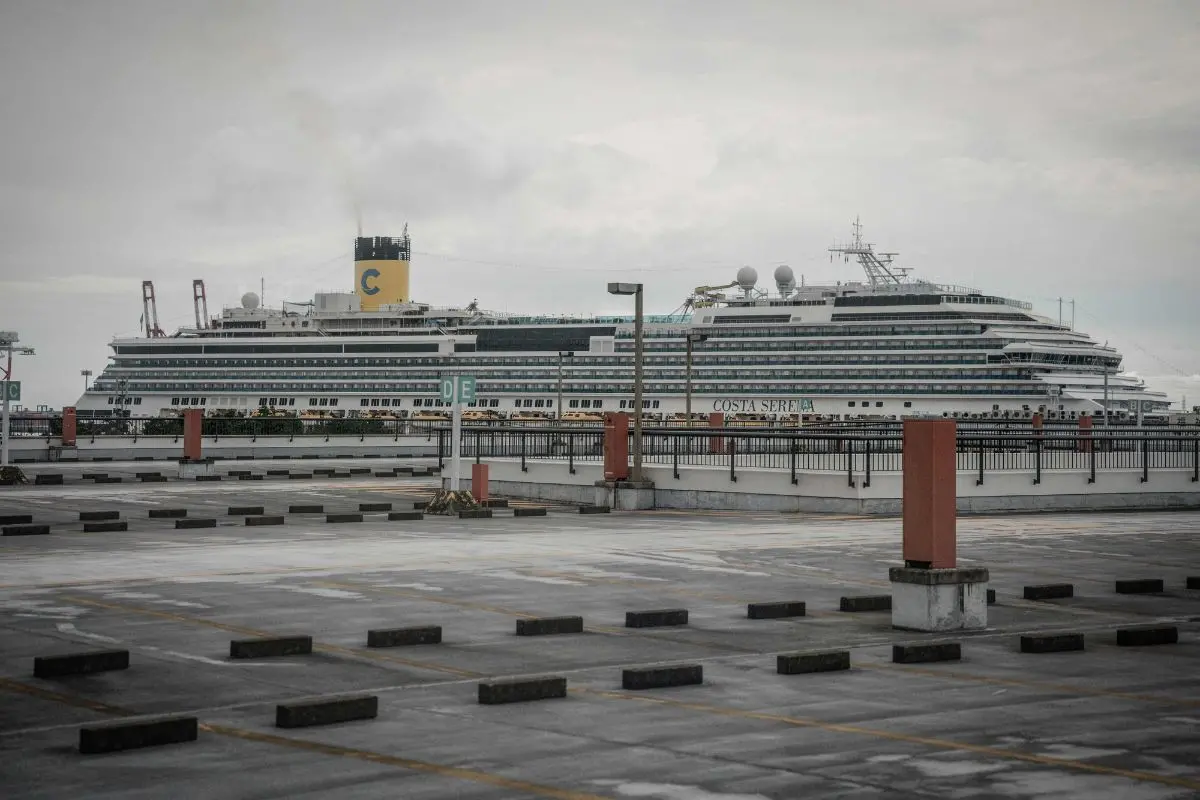
Nagoya: Indian athletes are unlikely to face major difficulties with the unusual accommodation arrangements at the upcoming Asian Games in Japan, according to India's deputy chef-de-mission A Sharath Kamal.
The Games will house participants in converted shipping containers, a docked cruise ship and hotels instead of a dedicated athletes' village.
India is sending a contingent of 501 athletes and 265 officials to the Games, which begin on September 19. They will be accommodated across the different facilities along with thousands of other participants.
The container-style rooms have drawn criticism from some participating nations, with South Korea describing them as too small. Some Asian Cricket Council members have also raised concerns about the accommodation.
However, Sharath said Indian athletes had already been prepared for the arrangements.
"For the players, by the direction of the Sports Authority of India, we have had some containers built in various SAI campuses, where the athletes got an experience to stay in containers," the former table tennis player said.
"We tried to replicate something like that" for the cruise ship accommodation as well, he added.
Around 4,000 to 5,000 athletes will stay aboard the luxury cruise liner Costa Serena, which will be docked at Nagoya Port. Another 2,000 athletes will be housed in converted shipping containers at Garden Pier in Nagoya Bay.
The remaining athletes and officials will stay in commercial hotels near competition venues across Aichi prefecture and in Tokyo, where some events, including swimming, will be held.
Sharath said officials could face more difficulty adapting to the arrangements as they had not had the same opportunity as athletes to experience the temporary facilities.
"But at the same time, players know what to expect. We have educated them very well. And I am pretty sure they will get accustomed quite quickly," he said.
"The important thing is the performance. I am sure they will be able to perform well."
Sharath expects at least one table tennis medal
Sharath, who retired from table tennis in 2025 after competing at five Olympics and four Asian Games, also expects India's paddlers to win at least one medal in Nagoya.
India's 10-member table tennis squad consists of five men and five women. Sharath identified the men's doubles pairing of Manav Thakkar and Manush Shah and the mixed doubles combination of Manush Shah and Diya Chitale as India's key medal prospects.
"My expectation is to win at least one medal, if not two," Sharath said.
He noted that Thakkar and Shah had previously reached world No. 2 and are currently among the top four in men's doubles.
ALSO READ | Asian Games gold contender Rumesh Pathirage left without his 90m-plus javelins
India won a bronze in women's doubles at the previous Asian Games in Hangzhou through Sutirtha Mukherjee and Ayhika Mukherjee. Sutirtha is part of the current squad.
At the 2018 Asian Games, India won bronze medals in the men's team event and mixed doubles. Sharath was part of the men's team and also won a mixed doubles bronze with Manika Batra, who is not part of India's squad this time.
Table tennis events at the 2026 Asian Games will be held from September 20 to 28.
Cruise ship becomes temporary athletes' village
The Costa Serena, which can accommodate up to 5,000 athletes and officials, received an official welcome at Kinjo Pier in Nagoya on Tuesday.
The 16-day Asian Games will begin on September 19 and conclude on October 4. With no dedicated athletes' village, organisers are using the cruise ship, hotels and converted containers to accommodate participants.
ALSO READ | Short beds, leaking sink; South Korea slams ‘worst ever’ Asian Games accommodation
Ship captain Federico Sias said at Tuesday's ceremony that the vessel would become a temporary home for athletes and guests from across Asia.
The Asian Games feature 45 countries and regions and 43 sports, including Olympic disciplines and regional events.
With accommodation space limited, teams are expected to stagger the arrival of athletes and officials. Athletes competing in earlier events will leave the accommodation facilities before those taking part in later competitions arrive.