Ceasefire in chaos: Rockets hit Israel as Iran, US and Pakistan open fragile backchannel talks
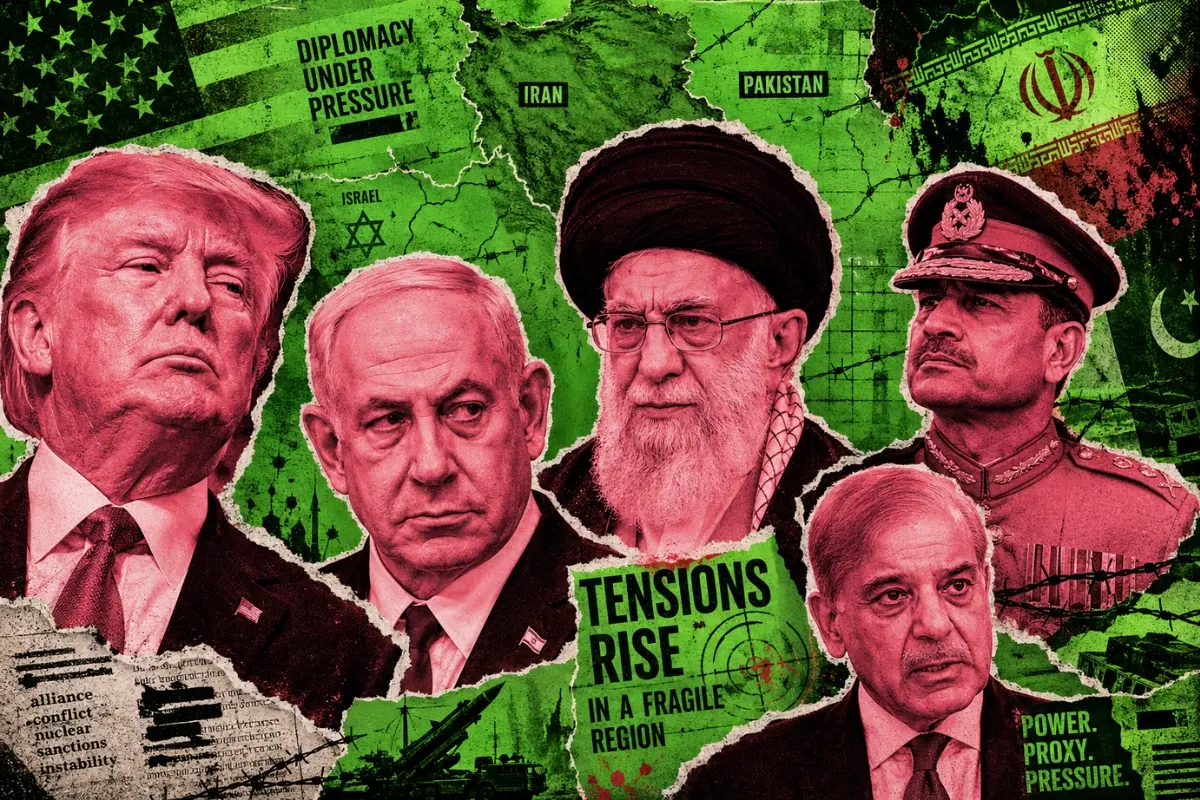
Islamabad: The US-Israel-Iran ceasefire and broader regional diplomatic efforts are under pressure as fresh violence erupts alongside ongoing negotiations involving multiple global and regional powers.
US President Donald Trump has extended the ceasefire between Israel and Lebanon by three weeks after White House discussions, calling the move a step toward a wider peace settlement. He suggested the extension could open the door to possible direct diplomatic engagement between Israeli and Lebanese leadership.
The talks reportedly involved senior US officials, including JD Vance and Marco Rubio, along with representatives from Israel and Lebanon. Trump also indicated hopes of hosting Israeli Prime Minister Benjamin Netanyahu and Lebanese President Joseph Aoun in Washington for further discussions.
Renewed violence despite ceasefire push
Despite the diplomatic announcement, tensions escalated quickly on the ground. Rockets were launched from Lebanon into northern Israel, with Israeli forces intercepting several projectiles. In response, Israel conducted strikes on militant positions in southern Lebanon.
Lebanese authorities reported civilian casualties and damage from retaliatory shelling and airstrikes, while Hezbollah claimed responsibility for some rocket attacks, framing them as retaliation for earlier Israeli actions.
The situation highlights the fragile nature of the ceasefire, particularly along the Israel-Lebanon border where Hezbollah remains a central actor.
Alongside developments in Lebanon, Trump also issued warnings related to Iran, refusing to disclose details of intercepted maritime cargo from a vessel travelling from China to Iran. He also cautioned Tehran against actions in the Strait of Hormuz, a critical global oil transit route.
Iranian leadership responded with strong rhetoric. Military officials warned of consequences for US forces over continued pressure in the region, while political leaders emphasised national unity and rejected claims of internal instability.
Iran–Pakistan diplomatic engagement
In a parallel diplomatic development, Iranian Foreign Minister Abbas Araghchi met senior Pakistani leadership, including Pakistan Army Chief Asim Munir, during his visit to Islamabad.
According to officials, Araghchi conveyed Tehran’s position and concerns regarding US demands. Pakistan stated it is continuing efforts to facilitate dialogue between Iran and the United States, positioning itself as a regional mediator.
Pakistan’s foreign minister Ishaq Dar reiterated that Islamabad’s official role is focused on supporting peace efforts, while cautioning against unofficial statements being misinterpreted as policy positions.
While diplomatic channels remain active, continued rocket fire, retaliatory strikes, and competing regional interests underscore the volatility of the situation.
The coming weeks are expected to be critical in determining whether ongoing negotiations can stabilise the region or whether escalating violence will derail ceasefire efforts entirely.