Trump threatened Iran, so what's keeping the talks alive?
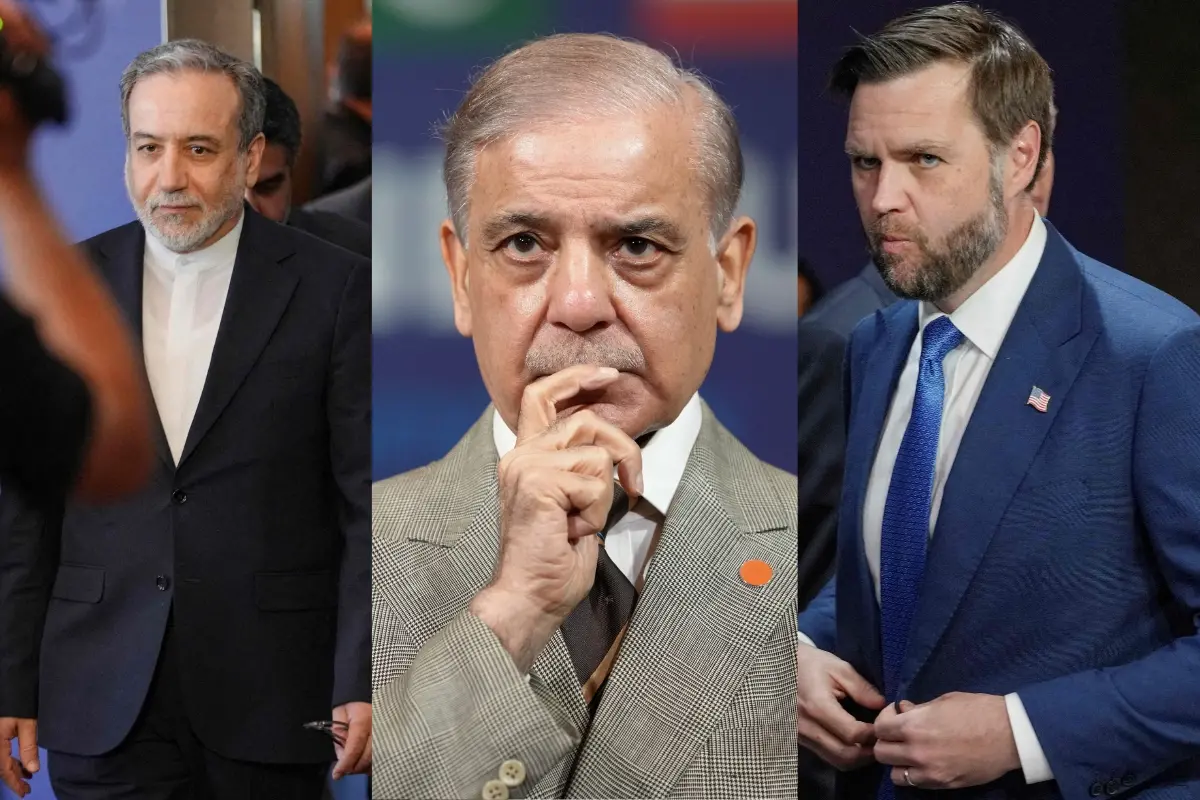
Geneva: Pakistan and Qatar brokered a new Lebanon de-confliction mechanism as Iran and the US agreed to continue technical talks, but disputes over Hezbollah, Israel's military presence in Lebanon, the Strait of Hormuz and Tehran's nuclear programme remain unresolved.
The first round of high-level negotiations between Iran and the United States concluded in Switzerland on Monday, marking the beginning of a 60-day diplomatic process aimed at securing a permanent settlement to the conflict between the two countries and reducing wider regional tensions.
The talks, mediated by Pakistan and Qatar, brought together senior officials from both sides, including US Vice President JD Vance and Iranian representatives led by Parliament Speaker Mohammad Bagher Qalibaf and Foreign Minister Abbas Araghchi. While no final agreement was reached, negotiators agreed to continue lower-level technical discussions throughout the week.
One of the most significant outcomes of the meeting was the decision to establish a "de-confliction cell" involving Iran, the United States and the Lebanese government. According to mediators, the mechanism is intended to help enforce the cessation of military operations in Lebanon and reduce the risk of further escalation between Israel and Hezbollah.
Trump comments create tension
The negotiations began under difficult circumstances after US President Donald Trump issued a series of warnings directed at Tehran. Trump demanded that Iran immediately restrain Hezbollah and other allied groups operating in Lebanon, warning that the United States could launch additional military strikes if attacks continued.
The remarks angered Iranian officials and threatened to derail the talks before they had fully begun. Iranian leaders responded by insisting that their armed forces were prepared to respond to any future military action.
Despite the exchange, both sides remained at the negotiating table, with mediators working to keep discussions focused on areas where progress could still be achieved.
Lebanon conflict remains a major obstacle
A central issue in the talks was the ongoing conflict in Lebanon. Iran has repeatedly linked broader diplomatic progress to a reduction in hostilities between Israel and Hezbollah.
Although a ceasefire announced over the weekend appeared to be holding, the situation remains fragile. Israel continues to occupy parts of southern Lebanon and has stated that it must retain freedom to carry out military operations against Hezbollah if it considers them necessary for national security.
Hezbollah, meanwhile, has refused to end attacks permanently unless Israel commits to withdrawing from Lebanese territory. This fundamental disagreement remains one of the biggest obstacles to a lasting regional settlement.
Foreign Minister Abbas Araghchi described the Lebanon de-confliction mechanism as a major achievement and said its effectiveness would be the first real test of whether the negotiations could produce meaningful results.
Strait of Hormuz dispute adds pressure
Another major focus of the discussions was the Strait of Hormuz, the narrow waterway connecting the Persian Gulf to international shipping routes.
The strait is one of the world's most important energy corridors, with a significant portion of global oil and natural gas exports passing through it every day. Any disruption can affect international energy markets and fuel prices worldwide.
Iran recently claimed that it had closed the Strait of Hormuz in response to regional tensions. The United States disputed that assertion, saying commercial shipping traffic continued through the waterway.
Negotiators reportedly discussed mechanisms to ensure the strait remains open and secure, recognising its importance to the global economy.
The talks also addressed Iran's nuclear programme, which has been a source of tension between Tehran and Washington for years.
The United States wants Iran to remain engaged in negotiations over its nuclear activities amid concerns that the programme could eventually be used for military purposes. Iran has consistently denied those allegations, maintaining that its nuclear programme is intended solely for peaceful civilian use, including energy production and scientific research.
While both sides discussed the issue, no major breakthrough was announced.
What happens next?
The conclusion of the first round does not signal a final agreement. Instead, it launches a 60-day diplomatic effort during which technical experts will attempt to resolve some of the most complex issues separating the two sides.
The coming days are expected to focus on practical arrangements related to Lebanon, regional security, maritime navigation through the Strait of Hormuz and the future of Iran's nuclear programme.
Although mediators described the talks as constructive and Iranian officials highlighted "major progress", the negotiations still face significant challenges. The success of the Lebanon de-confliction mechanism and the continuation of technical discussions are likely to determine whether the process moves closer to a broader agreement or stalls amid continuing regional tensions.