Trump hails US withdrawal from Iraq as 12-year ISIS mission ends
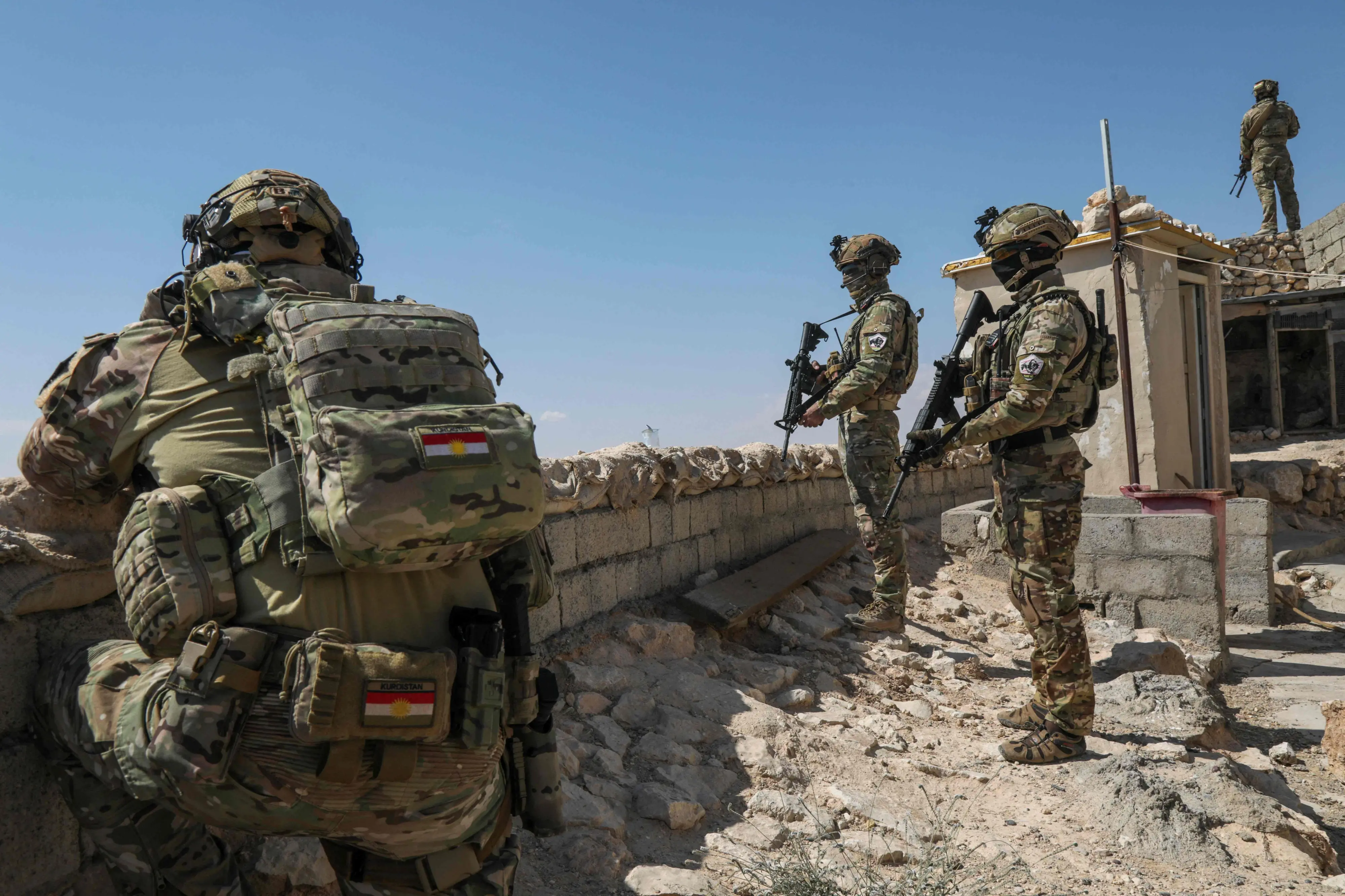
Baghdad: The United States has completed the withdrawal of all its troops from Iraq, ending a 12-year military mission focused on fighting the Islamic State group, as President Donald Trump described the departure as the end of a costly US involvement in Iraq.
The last American troops left an air base in Irbil, in Iraq's semi-autonomous Kurdistan region, ahead of the September 30 deadline agreed by Washington and Baghdad.
Pentagon spokesperson Sean Parnell said the troops and equipment completed an “orderly departure” and described the withdrawal as the conclusion of a 12-year campaign that defeated ISIS as an organised military threat in Iraq and across the region.
The US military said its role would now shift from a wartime coalition mission to an Iraqi-led security effort supported by a more conventional bilateral security relationship.
Washington will continue to provide targeted training and intelligence support to Iraqi security forces.
Trump calls withdrawal a victory
Trump welcomed the withdrawal in a social media post, describing it as an “orderly” departure and criticising the decisions that originally brought the US into Iraq.
He called the earlier involvement a costly “excursion into Hell” and said the episode would soon become part of history.
Trump also described the withdrawal as a victory for the US and Iraq and pointed to the defeat of ISIS as a major outcome of the mission.
The US invaded Iraq in 2003 to overthrow Saddam Hussein. American troops left in 2011.
The military returned three years later after Iraqi authorities invited a US-led coalition to help fight ISIS, which had captured large areas of Iraq and Syria.
As ISIS lost most of its territory and was reduced largely to scattered sleeper cells, Washington and Baghdad agreed in 2024 to wind down the coalition mission.
Most US troops left Iraqi bases during 2025, while several hundred remained in the Kurdish region until the final withdrawal.
What happens to ISIS now?
The US says the mission successfully defeated ISIS as an organised military force in Iraq. However, the extremist group has not disappeared completely and continues to operate through scattered cells.
The withdrawal has therefore raised questions about Iraq's ability to prevent a resurgence without the same level of US military support.
Iraqi Prime Minister Ali al-Zaidi said Iraqi security forces would continue the fight against ISIS and that the government would work to ensure that non-state groups no longer possess weapons.
Why are Iraqi Kurds concerned?
The withdrawal has caused particular concern in Iraq's Kurdish region.
Kurdish officials have warned that the departure of US forces and American air-defence systems could leave the region more exposed to attacks.
The Kurdish regional government's Peshmerga Ministry said the region had experienced more than 1,000 drone and ballistic-missile attacks during the recent US-Iran conflict.
The government said the absence of a replacement defence system was a concern given the wider regional security situation.
The Iran-backed militia problem
Another major issue is the future of Iran-backed militias operating inside Iraq.
The Baghdad government has sought to bring non-state armed groups under greater state control and has pushed for their disarmament. However, powerful Iran-aligned groups have resisted the move or attached conditions to giving up their weapons.
The government had initially linked the September 30 US withdrawal deadline to militia disarmament but later moved away from that timetable.
According to Iraqi Prime Minister Ali al-Zaidi's recent comments to The New York Times, the militia disarmament deadline has been pushed to June 2027.
Some Iran-backed groups celebrated the US withdrawal and described it as a step towards full Iraqi sovereignty.
Why the withdrawal matters
The US departure marks a significant change in the security relationship between Washington and Baghdad.
For Iraq, the move allows the government to emphasise sovereignty and an Iraqi-led security structure. For Washington, it represents another attempt to reduce its military footprint in the Middle East while maintaining security cooperation through training and intelligence.
The timing is particularly significant because the wider region remains affected by tensions between the US and Iran. Iran-backed groups in Iraq have previously targeted US positions, while American forces have carried out strikes against militia targets.
The immediate military impact of the withdrawal may be limited because the US presence had already been reduced substantially.
The bigger questions concern Iraq's long-term security architecture.
Three issues are likely to remain important:
- ISIS: Iraq will have to maintain intelligence and counterterrorism capabilities to prevent scattered ISIS cells from rebuilding.
- Militias: The government's effort to establish a state monopoly over weapons remains unresolved, with powerful Iran-linked groups rejecting the previous disarmament timetable.
- Kurdistan's security: Kurdish authorities are concerned about losing US air-defence capabilities while the region remains exposed to drone and missile attacks.
The withdrawal therefore ends the US-led military mission against ISIS in Iraq, but it does not end the security challenges facing the country.