Trump wants US Navy jets launched by steam again: Why go backwards?
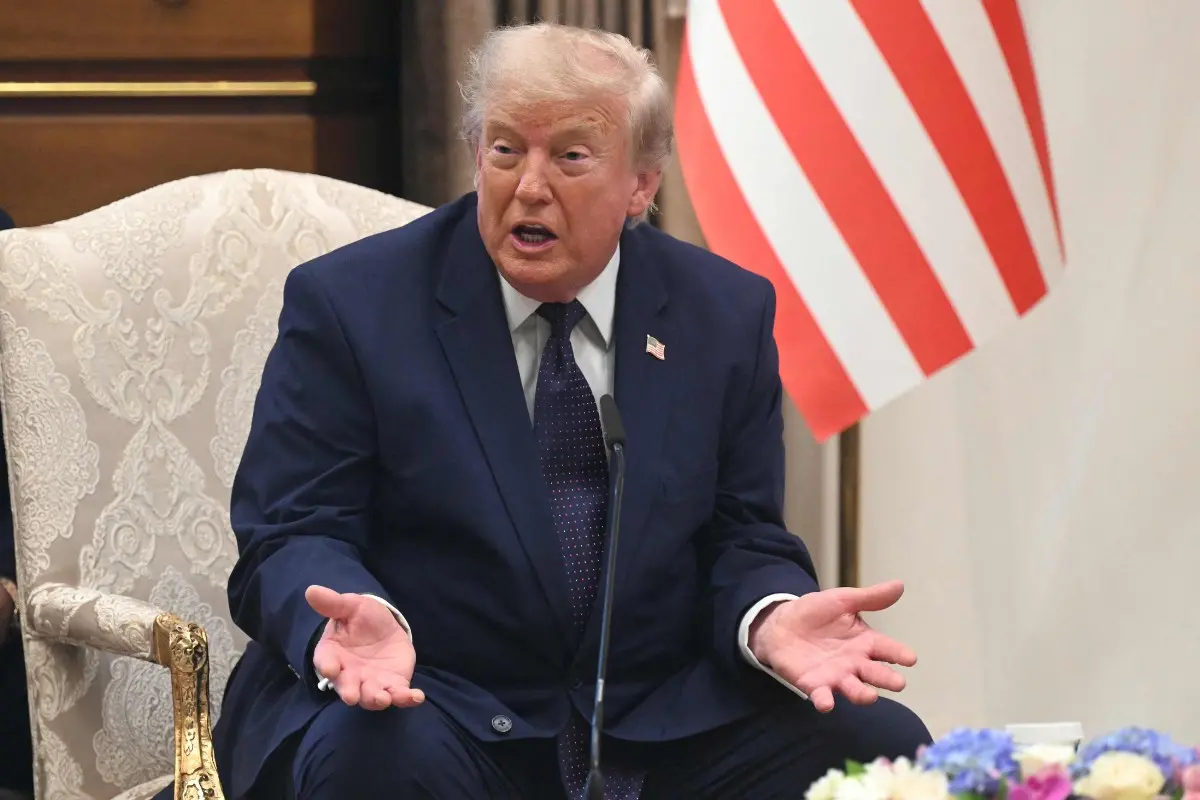
Washington DC: US President Donald Trump has ordered the Navy to replace the Electromagnetic Aircraft Launch System, or EMALS, with traditional steam catapults on the future USS Doris Miller, reversing the Navy's move towards newer launch technology.
A directive issued on Thursday asks the Pentagon and Navy to prepare plans within two months to remove EMALS from the Ford-class aircraft carrier and replace it with steam-powered catapults.
The USS Doris Miller, the fourth Ford-class carrier, is the first ship affected by the order. The USS Gerald R. Ford, USS John F. Kennedy and USS Enterprise will retain their existing electromagnetic systems.
Trump has criticised EMALS for years. During his first presidency, he argued that the electromagnetic system lacked the power of traditional steam catapults and called for a return to the older technology.
Why EMALS was introduced
EMALS uses electromagnetic energy rather than steam to accelerate aircraft along the carrier's launch track.
The system has several operational advantages. It occupies less space, is designed to be easier to maintain and requires fewer sailors to operate.
On the USS Gerald R. Ford, EMALS reportedly reduced the number of sailors required to operate the catapults from around 12 to two.
The Navy also said earlier this year that the Ford could launch and recover aircraft at a higher rate than older Nimitz-class carriers.
Change could increase costs and delays
The proposed reversal comes after construction of the Doris Miller has already progressed significantly.
General Atomics, which manufactures EMALS, said work on the carrier's catapults and arresting gear was already about halfway complete. The company warned that changing the system at this stage could create significant cost, scheduling and integration risks.
The Trump administration's own memo identified repeated design changes as a problem for US shipbuilding, saying they have contributed to cost increases, delays and cancellations.
Replacing a major system after a ship's design has been finalised could therefore create precisely the kind of disruption the administration says it wants to reduce.
Navy staffing adds another concern
The return to steam technology would also come as the Navy faces personnel shortages.
The Navy had around 20,000 unfilled positions across the fleet at the beginning of the year. Because steam catapults require more personnel to operate, the change could increase manpower requirements for future operations involving the affected carrier.
The decision therefore involves more than a choice between two launch technologies. It could affect ship design, construction schedules, maintenance requirements and Navy staffing.
China and France continue with electromagnetic technology
Trump's decision also comes as other major military powers move towards electromagnetic launch systems.
China's newest aircraft carriers use electromagnetic catapults, while France has announced plans to use the technology on its next aircraft carrier.
That makes the US decision notable from a military-technology perspective, particularly as Washington seeks to maintain an advantage in carrier aviation.
Defence spending adds to the context
The decision comes as the Trump administration seeks major increases in defence spending while the US military faces the costs of the Iran war.
Defence Secretary Pete Hegseth estimated the cost of the conflict at $37.5 billion last month. Republicans have also been pursuing a $95 billion package for military and other administration priorities, while Trump's proposed defence budget stands at $1.5 trillion.
Congress still has to consider the relevant funding measures.
Analysis
Trump's decision reflects his long-standing preference for proven steam technology over EMALS, but the timing creates practical questions for the Navy.
- Cost: Re-engineering the Doris Miller after construction has progressed could increase expenses rather than reduce them.
- Manpower: Steam catapults require more personnel, potentially adding pressure to a Navy already dealing with unfilled posts.
- Performance: EMALS was developed to improve aircraft launch and recovery rates while reducing maintenance and manpower requirements.
- Shipbuilding: The decision could become a test of Trump's stated goal of reducing delays and cost overruns in US naval construction. Changing a major system during construction risks creating new schedule and integration problems.
- Strategic competition: The US is moving away from a technology that China is already using on its newest carriers, while France is also planning to adopt it.
The Navy now has two months to present plans for implementing Trump's directive. The key question will be whether the perceived advantages of returning to steam technology outweigh the cost and disruption of redesigning a carrier already under construction.