Taiwan on high alert as China restricts airspace, increases military activity
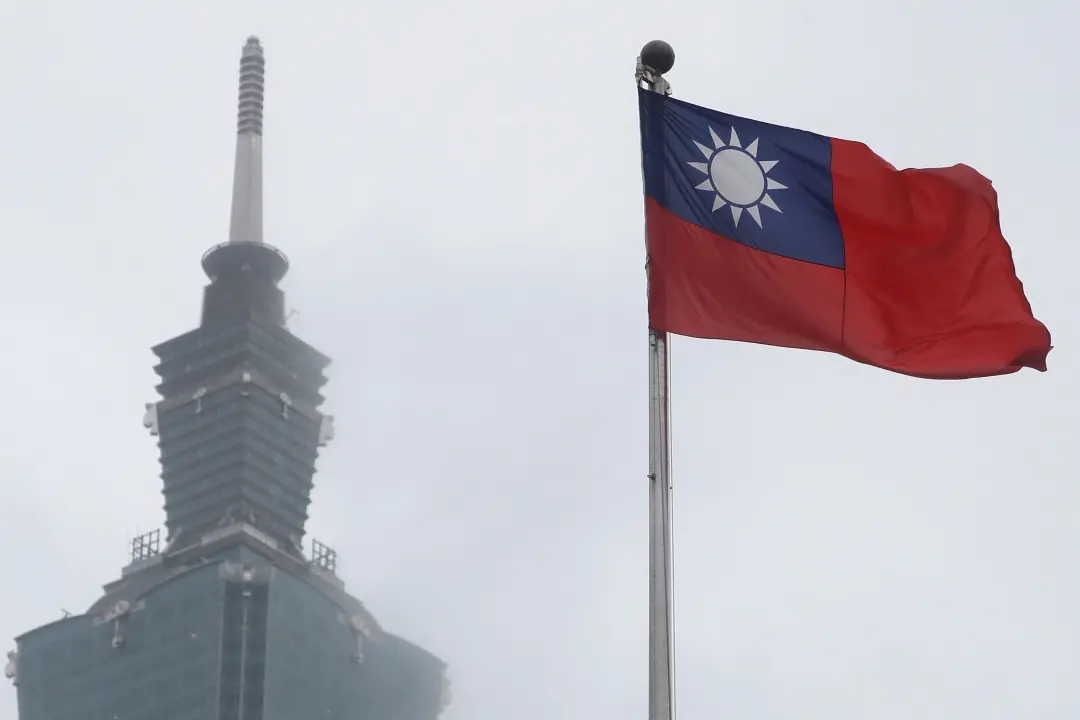
Taipei: Taiwan's military was placed on high alert on Monday, initiating combat readiness drills after detecting Chinese warships and coast guard vessels operating in waters surrounding the island. The exercises also responded to China's recent actions, including restricting airspace near its coast.
"In response to these actions by the PLA, the MND has initiated combat readiness drills, factoring in enemy threats, weather conditions, and tactical positioning," the defence ministry said in a statement, adding that military units were on "high" alert.
The Chinese military, including the People's Liberation Army (PLA), has yet to make any public statements regarding the increased activity around Taiwan, and Chinese state media has not reported on the situation.
China maintains that Taiwan is part of its territory and frequently deploys fighter jets and naval ships in efforts to assert its sovereignty. Recently, there has been growing speculation that China might conduct its own military exercises in response to Taiwan President Lai Ching-te's recent tour of the Pacific, which included two stops in the United States.
Taiwan President's Pacific tour draws criticism from Beijing
During his visit to Guam on Thursday, Lai met with Republican U.S. House Speaker Mike Johnson, marking the highest-level meeting between Taiwanese and U.S. officials during Lai's week-long trip. Beijing strongly criticised the trip, viewing it as a challenge to its claims over Taiwan.
China's foreign ministry warned Taiwan on Friday that "seeking independence with the help of the United States will inevitably hit a wall", and called on Washington to "cease meddling in Taiwan-related affairs".
In response to a question about possible Chinese military drills around Taiwan following his trip, Lai told reporters on Friday that "raising your fists is not as good as opening your hands".
"No matter how many military exercises, warships and aircraft China sends to coerce neighbouring countries, it cannot win the respect of any country," Lai said.
Taiwan’s strategic position in the Pacific amid growing Chinese influence
Lai's overseas journey, his first since assuming office in May, was focused on strengthening Taiwan's diplomatic and economic ties in the Pacific, a region where China has been actively attempting to gain Taiwan's former allies.
While Taiwan operates as a self-governing nation with its own government, military, and currency, Beijing insists the island is part of China and has not ruled out the use of force to reunify it with the mainland. Taiwan remains under constant threat of military action by China and depends on US arms sales to bolster its defenses.
Ahead of Lai's trip, the United States approved a USD 385 million arms sale to Taiwan, which includes spare parts for F-16 fighter jets, radar systems, and communication equipment, further strengthening Taiwan's defense capabilities.
Agency