‘Our world is not ready’: Scientists fear Super El Niño 2026 could unleash global climate chaos
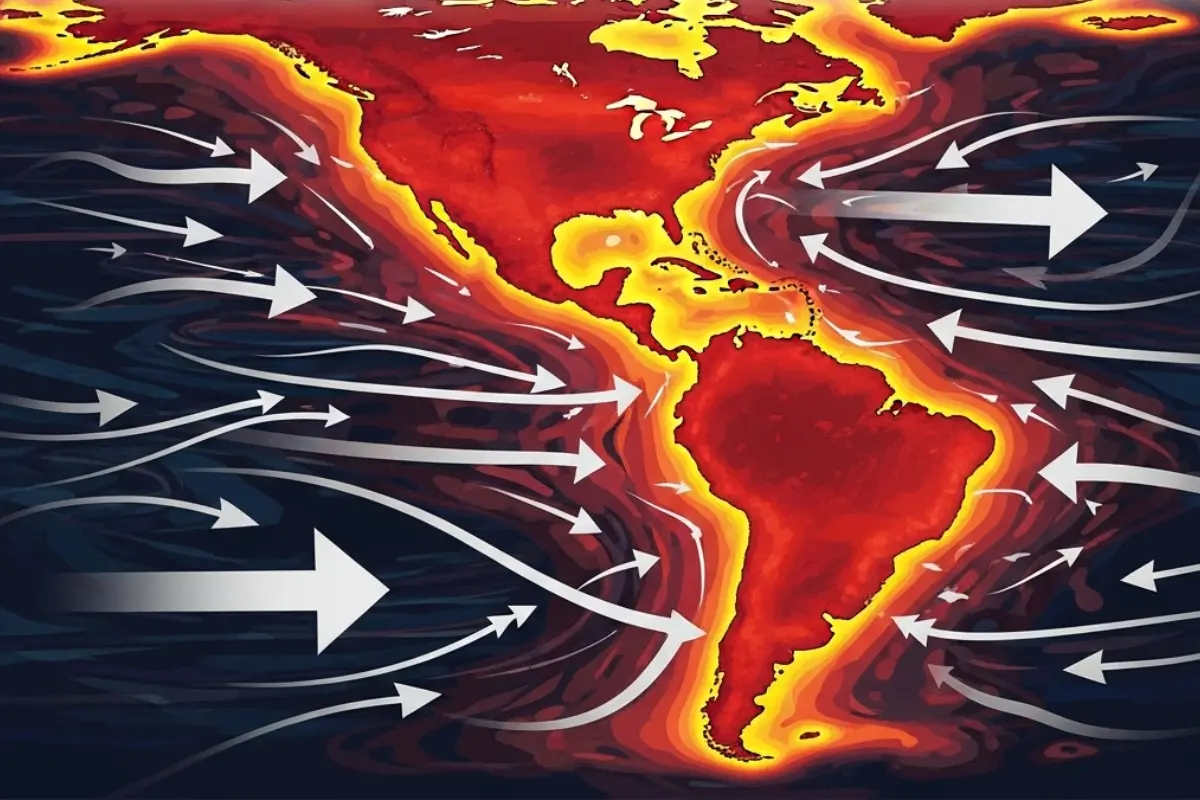
A rapidly intensifying El Niño event in the Pacific Ocean is raising global concern among climate experts, with leading international forecasting agencies warning that the phenomenon could reach “super” status later this year.
Scientists from agencies including the National Oceanic and Atmospheric Administration and the European Centre for Medium-Range Weather Forecasts believe the current warming pattern could become one of the strongest El Niño events recorded in modern history.
What is El Niño?
El Niño is a climate pattern that develops when trade winds weaken and unusually warm ocean water spreads across the tropical Pacific Ocean.
The warming disrupts global atmospheric circulation and affects weather systems around the world, often triggering droughts, floods, heatwaves and weakened monsoons.
These events usually occur every two to seven years and typically peak between October and February.
Why scientists are worried in 2026
According to forecasts, sea surface temperatures in the key Niño3.4 region are rising rapidly.
Climate experts classify an event as a “Super El Niño” when temperatures rise more than 1.5°C above average in this region.
Current projections suggest temperatures could exceed 2.5°C later this year, while some climate models even indicate warming beyond 3°C — levels that could surpass records dating back to the late 1800s.
Scientists say the speed of the transition from La Niña conditions to a potentially powerful El Niño within a single year is highly unusual.
Global temperatures could break records
Experts warn that El Niño events typically add additional warming to already rising global temperatures caused by climate change.
Some researchers now believe 2027 could witness new global heat records if the event strengthens further.
The warming could intensify deadly heatwaves, increase wildfire risks and place enormous pressure on water supplies and agriculture across several continents.
India’s monsoon under threat
One of the biggest concerns for India is the possible impact on the southwest monsoon.
Historically, strong El Niño years have often weakened monsoon rainfall over the Indian subcontinent, increasing the risk of drought conditions, crop losses and water shortages.
A weaker monsoon could also affect hydropower production, food prices and rural livelihoods across the country.
Which regions could be hit hardest?
Scientists warn that several parts of the world may face severe weather disruptions if the Super El Niño intensifies.
Southern Africa, Indonesia and Australia could experience prolonged droughts and increased wildfire risks.
Meanwhile, parts of East Africa and the Americas may face extreme rainfall, flooding and landslides.
Reduced crop production in multiple regions could also push global food prices higher at a time when many economies are already struggling with inflation and supply disruptions.
Experts say preparation window is shrinking
While climate forecasts during spring months can sometimes be uncertain, scientists say the current agreement between major forecasting agencies is unusually strong.
Experts stress that governments and disaster management agencies still have time to prepare, but warn that the window for action is narrowing quickly as the Pacific warming accelerates.