Pentagon changes Iran war casualty count: Why has it drawn criticism?
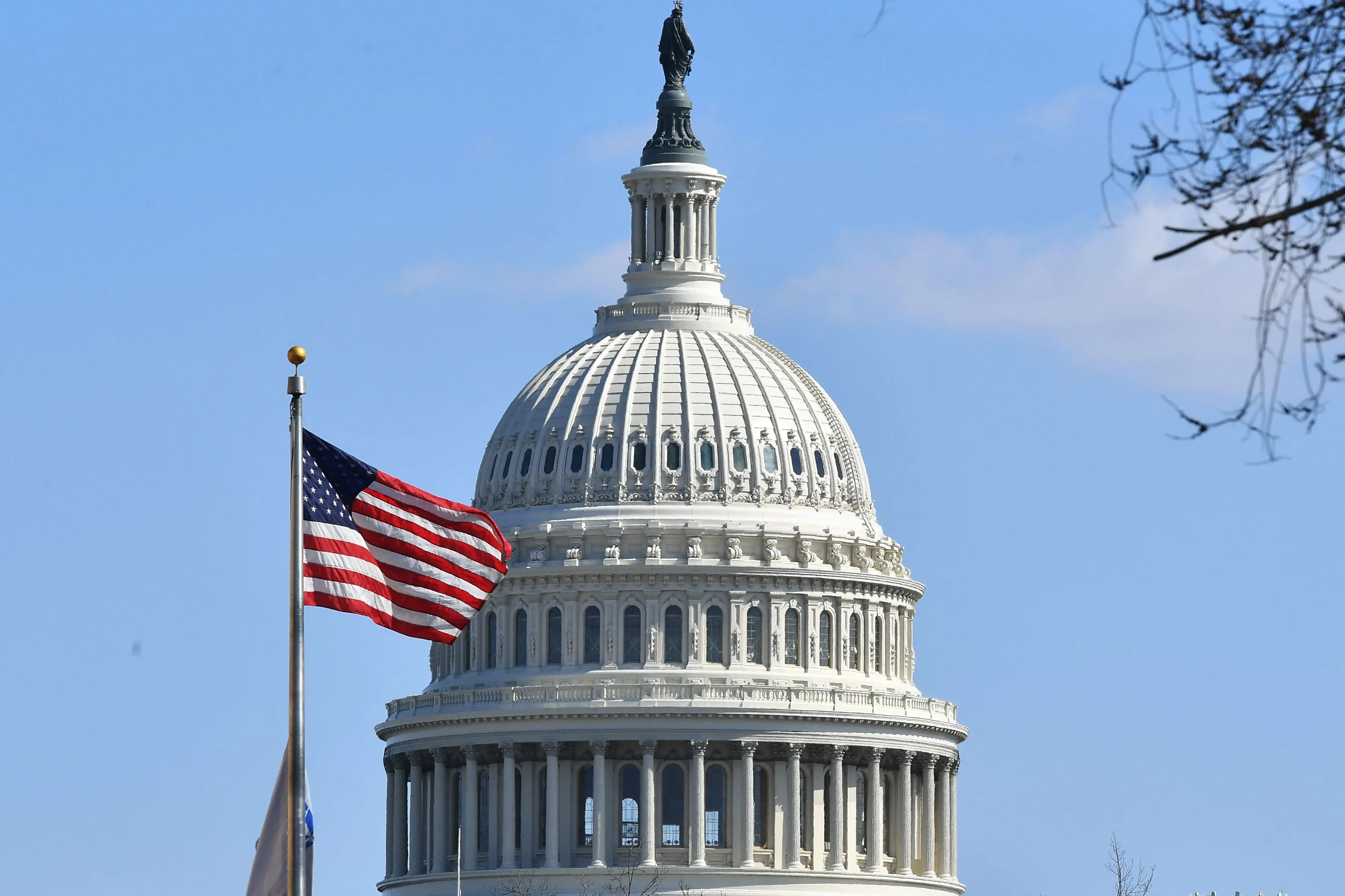
Washington DC: The Pentagon's handling of US military casualty figures from the Iran conflict has come under fresh scrutiny after four American soldiers killed in renewed fighting were removed from the official Iran war death toll and placed under a newly created category. The move has prompted questions over transparency, record-keeping and whether the Trump administration is attempting to redefine the conflict for legal and political reasons.
The controversy began after the Pentagon's Defence Casualty Analysis System (DCAS), which officials have repeatedly described as the authoritative record of military casualties, altered its figures last week.
Until earlier this week, the database listed the Iran war toll as 18 troops killed and 482 wounded. The total included four soldiers who died after hostilities resumed in July.
However, by Wednesday, the official tally had dropped to 14 dead and 420 wounded. At the same time, a US official told the Associated Press that the actual number of wounded had risen to well over 500.
On Sunday, the Pentagon introduced a new category titled "Overseas Operations", listing the four soldiers separately by name along with 207 wounded personnel. It remains unclear whether all those listed under the new category were injured in the Iran conflict.
President Donald Trump, meanwhile, had stated in a Truth Social post that the "Iran Military Conflict" had claimed 18 American lives.
Why were the figures changed?
The Pentagon has denied attempting to conceal casualties.
Pentagon press secretary Joel Valdez said the changing figures resulted from "anomalies" and "temporary data disruptions", insisting the discrepancies were being corrected. Pentagon spokesman Sean Parnell later repeated that the reduction reflected only a temporary disruption in the database.
The four soldiers whose deaths were removed from the Iran tally include three troops killed at a base in Jordan after Iranian ballistic missile and drone strikes on July 17, and one soldier who died in Iraq a day later during the controlled detonation of an Iranian drone.
Confusion deepened because Pentagon statements described two of the Jordan deaths as occurring during the US mission against the Islamic State group, while the other two were said only to have been supporting overseas operations.
Neither the Pentagon nor the White House immediately responded to requests for further clarification. US Central Command referred all questions to the Pentagon.
Why has the new category triggered controversy?
The creation of the "Overseas Operations" category has raised questions beyond casualty reporting.
The new category counts casualties only from July 7, the date Iran attacked merchant vessels transiting the Strait of Hormuz near Oman. The US responded with military strikes, after which Trump declared that an earlier ceasefire had ended.
Critics argue that choosing July 7 as the starting point effectively treats the renewed fighting as a separate phase of the conflict rather than a continuation of the existing war.
That timing has attracted attention because it coincides with the administration's position that a new period of hostilities began, a distinction some lawmakers say could have implications under the US War Powers Act, which limits how long a president can conduct military operations without congressional authorisation.
Several Democratic senators have sought explanations after casualty figures fluctuated despite continued fighting. They questioned why the official numbers fell even as attacks continued and more troops were reportedly being wounded.
Some critics, including Senator Lisa Murkowski, have argued that restarting the conflict timeline could amount to resetting the War Powers Act's 60-day clock, potentially delaying the need for congressional approval. Administration officials have maintained that the casualty database reflects operational reporting and have also argued in broader legal debates that aspects of the War Powers Act are unconstitutional.
How did the renewed conflict begin?
The US and Israel launched military operations against Iran on February 28, with 14 American troops killed during the initial phase of the conflict.
A ceasefire agreed in April was followed by an interim agreement in mid-June, but the pause proved brief.
Fighting resumed after Iran attacked three merchant vessels in the Strait of Hormuz on July 7. The US responded with strikes on Iranian targets, leading to nearly two weeks of exchanges involving attacks on American forces and retaliatory operations across the region. Recent days have seen a pause in strikes as diplomatic efforts continue.
Why does the casualty count matter?
The Pentagon has increasingly limited public briefings on the conflict since fighting resumed. It has not held a dedicated war briefing since early May, while US Central Command has stopped issuing regular casualty updates.
Against that backdrop, the Defence Casualty Analysis System has become the principal public source for tracking American military losses. Because Pentagon officials have repeatedly described it as the definitive casualty record, changes to its figures have drawn heightened scrutiny from lawmakers seeking greater transparency over both the human cost of the conflict and the administration's conduct of the war.