Pakistan claims to have killed at least 70 militants in strikes along the Afghan border
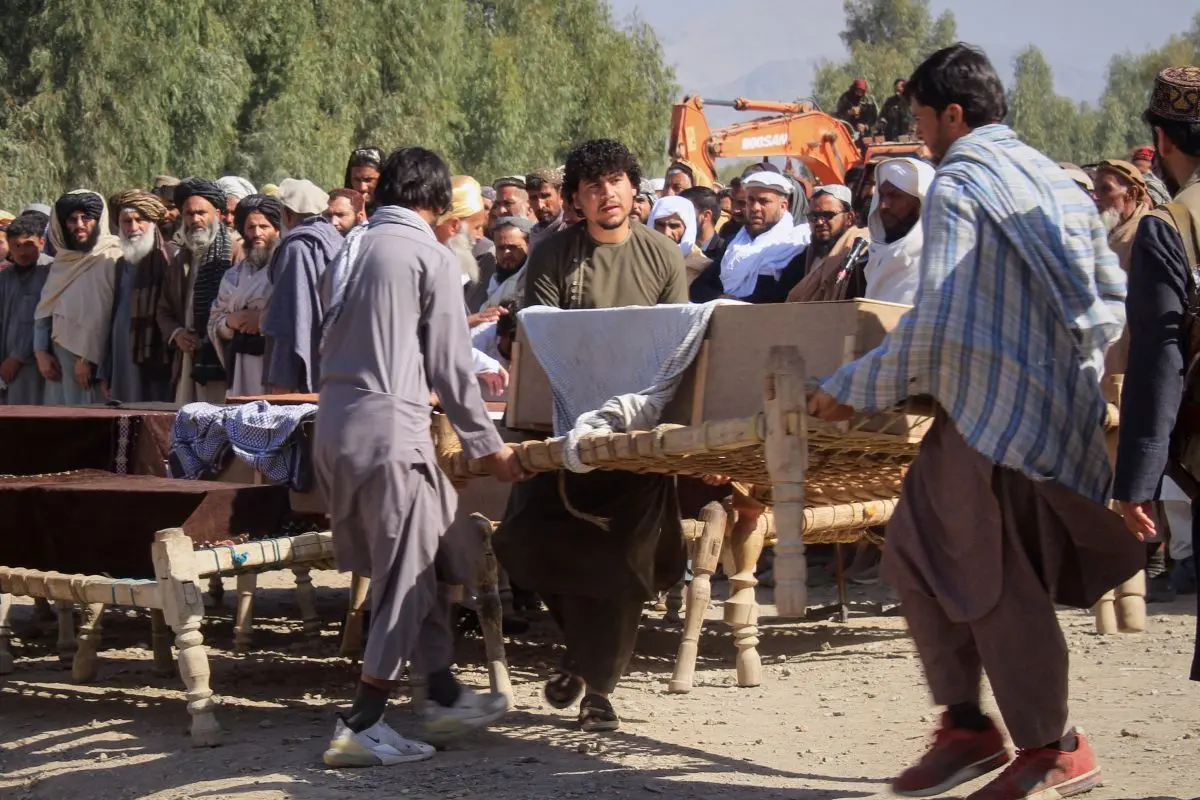
Pakistan's military conducted airstrikes along its border with Afghanistan early on Sunday, reportedly killing at least 70 militants in what it described as a targeted operation against hideouts of Pakistani militants blamed for recent attacks within Pakistan. However, Kabul rejected Islamabad’s claim, with the Afghan Defence Ministry accusing Pakistan of violating Afghan airspace and sovereignty.
Talal Chaudhry, Pakistan’s Deputy Interior Minister, provided no evidence for the claim that 70 militants were killed, but Pakistan’s state-run media later revised the death toll to 80. The Afghan Defence Ministry confirmed that civilian areas in Nangarhar and Paktika provinces were hit, including a religious madrassa and multiple homes. The Ministry described the strikes as "a violation of Afghanistan’s airspace and sovereignty."
Afghan government spokesperson Zabihullah Mujahid dismissed Pakistan's figure, calling it "inaccurate" and stating that the attacks had "killed and wounded dozens, including women and children." Mawlawi Fazl Rahman Fayyaz, the provincial director of the Afghan Red Crescent Society in Nangarhar, reported that 18 people were killed and several others wounded in the strikes.
In response, Pakistan’s President Asif Ali Zardari defended the airstrikes, describing them as an act of self-defence against terrorism. He said the strikes were carried out after multiple warnings to Kabul went unheeded. In a statement, Zardari stressed that Pakistan's actions were rooted in its “inherent right to defend its people against terrorism” and warned that those responsible for attacks inside Pakistan would “not remain beyond reach.” He added that the protection of Pakistani citizens was "paramount and non-negotiable."
The Afghan Ministry of Foreign Affairs summoned Pakistan’s ambassador to Kabul, lodging a formal protest against the strikes. The Ministry asserted that protecting Afghanistan’s territory is the "Sharia responsibility" of the Taliban-led government and warned that Pakistan would be responsible for the consequences of such actions.
ALSO READ | Taliban warns retaliation after Pakistan airstrikes kill 28 in Afghanistan: ‘Will strike back’
In Nangarhar, villagers were seen clearing rubble from the airstrikes while preparing for funerals. Local tribal elder Habib Ullah said those killed in the attacks were not militants but "poor people who suffered greatly." He noted, “They were neither the Taliban, nor military personnel, nor members of the former government. They lived simple village lives.”
Pakistan’s Information Minister, Attaullah Tarar, defended the strikes, claiming the military had conducted “intelligence-based, selective operations” targeting seven camps belonging to the Pakistani Taliban (TTP) and its affiliates. Tarar added that an affiliate of the Islamic State group was also targeted. He insisted that Pakistan had “always strived to maintain peace and stability in the region,” but that the safety and security of Pakistani citizens remained a top priority.
Militant violence has surged in Pakistan in recent years, largely attributed to the TTP and Baloch separatist groups. The TTP, although separate from the Taliban, shares close ties with the Afghan government in Kabul. Pakistan has long accused the TTP of operating from inside Afghanistan, a claim both the group and Kabul deny.
Earlier on Sunday, a suicide bomber targeted a security convoy in Pakistan's Bannu district, near the Afghan border, killing two soldiers, including a lieutenant colonel. Pakistan’s military warned that it would not “exercise any restraint” in its operations against those responsible for such attacks.
ALSO READ | India slams Pakistan over airstrikes in Afghanistan; calls it a ‘longstanding pattern’
In another attack last week, a suicide bomber, backed by gunmen, rammed an explosives-laden vehicle into a security post in Bajaur district, Khyber Pakhtunkhwa province, killing 11 soldiers and a child. Pakistani authorities later identified the attacker as an Afghan national.
Tarar further claimed that Pakistan had "conclusive evidence" linking recent attacks, including a suicide bombing at a Shiite mosque in Islamabad that killed 31 worshippers, to militants operating under the direction of Afghanistan-based leaders. He urged the Taliban authorities in Kabul to take decisive action to prevent militant groups from using Afghan territory to launch attacks into Pakistan, adding that the international community should pressure the Taliban to honour its commitments under the Doha agreement, which prohibits Afghan soil from being used for attacks against other countries.
Security analyst Abdullah Khan warned that the Pakistani strikes could escalate tensions between the two nations. "These strikes are likely to further escalate the situation," he said. Despite a Qatari-mediated ceasefire brokered after deadly border clashes in October, which killed dozens of soldiers, civilians, and militants, relations between Islamabad and Kabul remain tense. Several rounds of talks in Istanbul in November failed to produce a formal agreement, leaving the fragile truce in place but relations strained.