New US tariffs to take effect in 7 days under Trump’s latest order
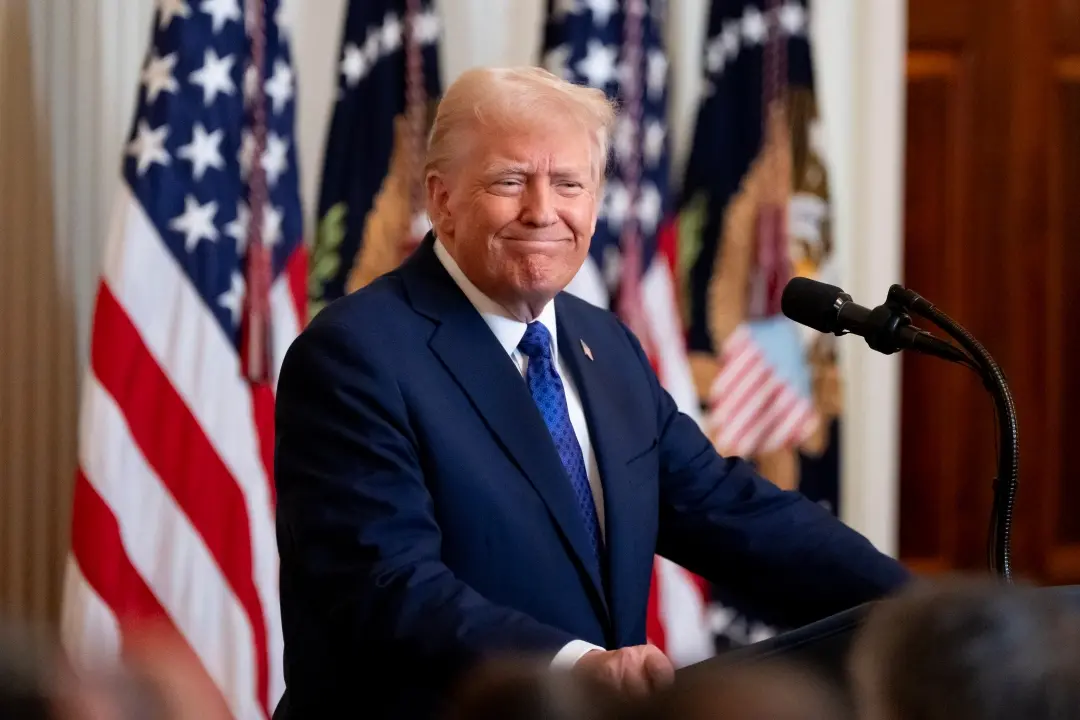
Washington, D.C: U.S. President Donald Trump on Thursday signed an executive order imposing new tariffs on a broad range of trading partners, marking a major escalation in his trade agenda. The new tariffs are set to take effect on August 7.
The order, signed shortly after 7 p.m., follows days of intense negotiations and announcements from the White House, as officials raced to finalise deals with several countries and regional blocs ahead of the president’s self-imposed Friday deadline.
According to a senior administration official, who briefed reporters on condition of anonymity, the delayed implementation is aimed at aligning the new tariffs with a harmonised rate schedule.
The sweeping order outlines tariff rates for 68 countries and the 27-member European Union. Nations not specifically listed will face a baseline 10% tariff. The official said the rates were determined based on each country’s trade imbalance with the United States and their broader economic profile.
On Thursday morning, Trump engaged in a phone conversation with Mexican President Claudia Sheinbaum on trade. As a result of the conversation, the US president said he would enter into a 90-day negotiating period with Mexico, one of the nation's largest trading partners, with the current 25% tariff rates staying in place, down from the 30% he had threatened earlier.
“We avoided the tariff increase announced for tomorrow and we got 90 days to build a long-term agreement through dialogue,” Mexican leader Claudia Sheinbaum wrote on X after a call with Trump that he referred to as “very successful” in terms of the leaders getting to know each other better.
The unknowns created a sense of drama that has defined Trump's rollout of tariffs over several months, with the one consistency being his desire to levy the import taxes that most economists say will ultimately be borne to some degree by US consumers and businesses.
“We have made a few deals today that are excellent deals for the country,” Trump told reporters on Thursday afternoon without detailing the terms of those agreements or nations involved. The senior administration official declined to reveal the nations that have new deals during the call with reporters.
Trump said that Canadian Prime Minister Mark Carney had called ahead of 35 per cent tariffs being imposed on many of his nation's goods, but “we haven't spoken to Canada today.”
Trump imposed the Friday deadline after his previous “Liberation Day” tariffs in April resulted in a stock market panic. His unusually high tariff rates unveiled in April led to recession fears, prompting Trump to impose a 90-day negotiating period. When he was unable to create enough trade deals with other countries, he extended the timeline and sent out letters to world leaders that simply listed rates, prompting a slew of hasty deals.
Trump reached a deal with South Korea on Wednesday, and earlier with the European Union, Japan, Indonesia and the Philippines. His commerce secretary, Howard Lutnick, said on Fox News Channel's “Hannity” that there were agreements with Cambodia and Thailand after they had agreed to a ceasefire to their border conflict.
Going into Thursday, wealthy Switzerland and Norway were still uncertain about their tariff rates. EU officials were waiting to complete a crucial document outlining how the framework to tax imported autos and other goods from the 27-member state bloc would operate. Trump had announced a deal on Sunday while he was in Scotland.
Trump said as part of the agreement with Mexico that goods imported into the US would continue to face a 25 per cent tariff that he has ostensibly linked to fentanyl trafficking. He said autos would face a 25 per cent tariff, while copper, aluminium and steel would be taxed at 50 per cent during the negotiating period.
He said Mexico would end its “Non-Tariff Trade Barriers,” but he didn't provide specifics.
Some goods continue to be protected from the tariffs by the 2020 US-Mexico-Canada Agreement, or USMCA, which Trump negotiated during his first term.
But Trump appeared to have soured on that deal, which is up for renegotiation next year. One of his first significant moves as president was to impose tariffs on goods from both Mexico and Canada earlier this year.
US Census Bureau figures show that the US ran a $171.5 billion trade imbalance with Mexico last year. That means the US bought more goods from Mexico than it sold to the country.
The imbalance with Mexico has grown in the aftermath of the USMCA, as it was only $63.3 billion in 2016, the year before Trump started his first term in office. (AP)