‘No room for miscalculation’: Netanyahu addresses Iran threat as US warships deploy
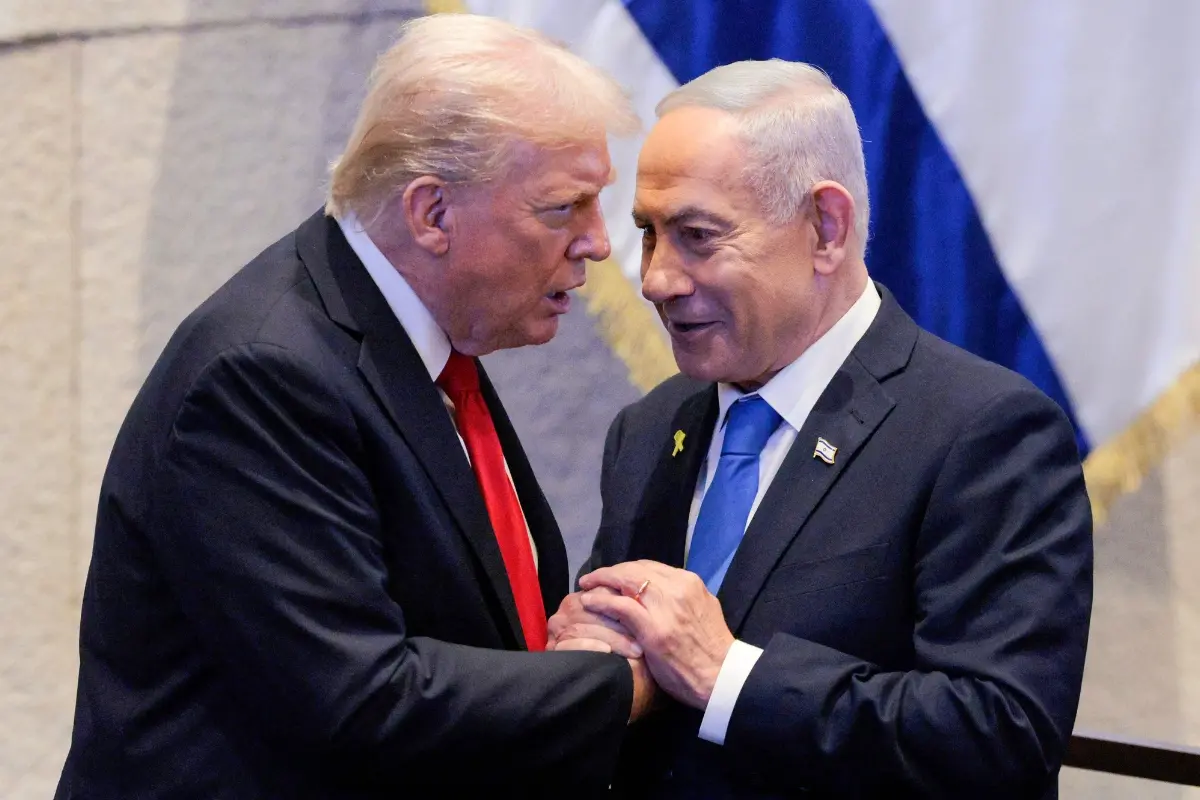
Jerusalem: Israeli Prime Minister Benjamin Netanyahu addressed the rapidly evolving security situation for the first time after Iran’s Islamic Revolutionary Guard Corps (IRGC) announced that its new “sophisticated” missiles were ready for deployment and US naval forces increased their presence in the region. In his remarks, Netanyahu framed the moment as a test of Israel’s deterrence, warning Iran and its regional allies against miscalculation while underscoring close coordination with Washington.
The speech came against the backdrop of heightened military signalling across West Asia. The IRGC’s announcement added to long-standing concerns in Israel over Iran’s missile capabilities and its support for allied armed groups across the region. US warships moving closer were widely seen as part of Washington’s effort to deter further escalation and reassure allies amid rising tensions at sea and along multiple regional flashpoints.
At the same time, Netanyahu was engaged in sensitive diplomatic talks with US envoys Steve Witkoff and Jared Kushner in Jerusalem, with Israeli media reporting that the discussions focused heavily on reopening the Rafah crossing between Gaza and Egypt. According to Israeli outlet Ynet, Witkoff urged Israel to reopen Rafah even before Hamas returns the remains of the last Israeli hostage believed to be held in Gaza, a position that has generated sharp debate within Israel.
Israeli officials cited by local media described the meeting as generally positive but expressed concern over proposals raised during the talks, including the possibility of Turkey playing a role in Gaza’s future administration. Netanyahu has repeatedly opposed any Turkish involvement in post-war Gaza, reflecting broader strains in Israel–Turkey relations that have deepened since the Gaza war began in October 2023 following the Hamas attack on Israel.
The Rafah crossing remains a central humanitarian and political issue. It is the main gateway for aid entering Gaza, home to around 2.2 million people. Although reopening Rafah forms part of a Gaza truce framework announced by US President Donald Trump in October, the crossing has stayed closed since Israeli forces took control of it during the war. Ali Shaath, appointed to lead a committee of Palestinian technocrats overseeing Gaza’s day-to-day administration, said this week that the crossing would reopen in both directions soon, raising expectations and pressure on all sides.
Families of Israeli hostages have also intensified their appeals, urging the government to prioritise the return of the remains of Ran Gvili, believed to be the last Israeli hostage still in Gaza. Their statements have added a domestic dimension to Netanyahu’s diplomatic balancing act, as he navigates military deterrence, humanitarian concerns and international pressure simultaneously.
A fragile ceasefire has been in place in Gaza since October 10 and has entered its second phase, though Israel and Hamas have repeatedly accused each other of violations. Against this backdrop, Netanyahu’s speech and ongoing talks highlight how Israel is confronting overlapping challenges — from Iran-related security threats and US diplomatic expectations to unresolved humanitarian and hostage issues linked to Gaza — at a moment of continued regional uncertainty.
(With AFP inputs)