Netanyahu again? Here are the numbers and parties that could decide Israel’s next government
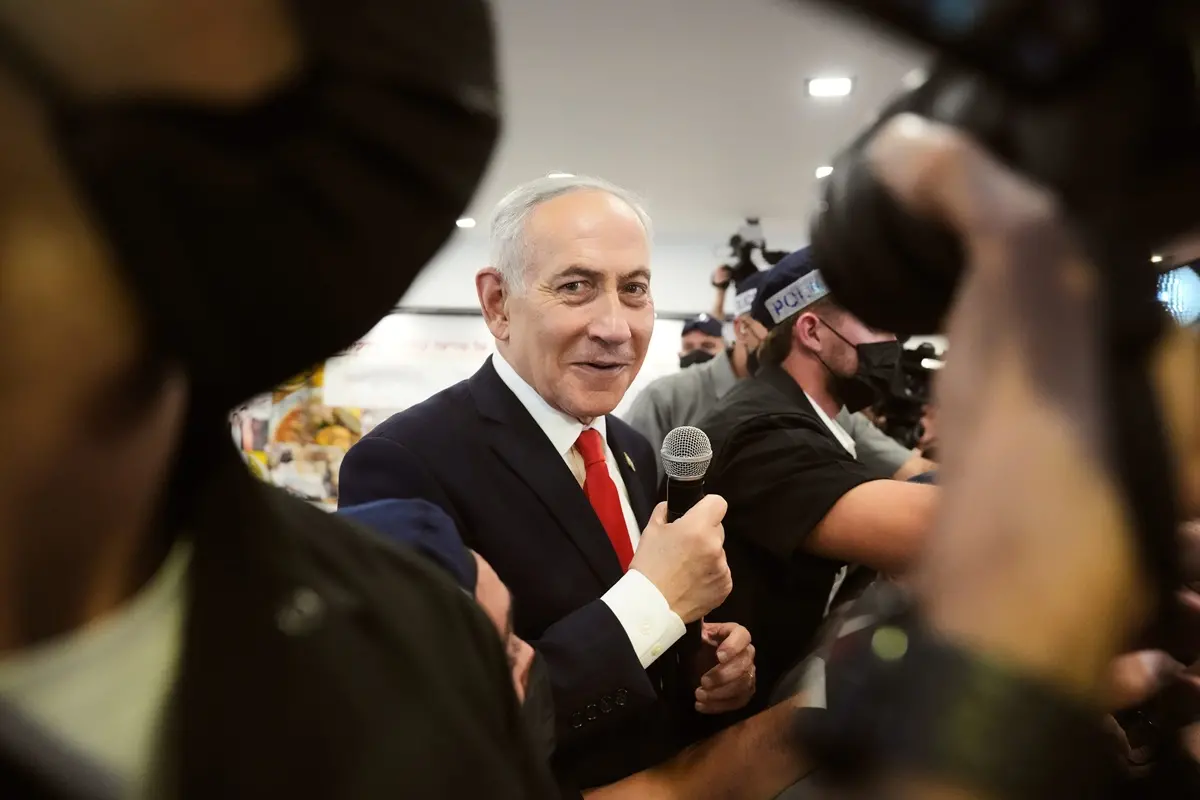
Vote counting is under way in Israel following a pivotal national election that has ended without a clear winner. Prime Minister Benjamin Netanyahu’s Likud party is currently leading the tally as the largest single party in the Knesset, Israel’s parliament. Official election data shows Likud holding 21.4% of the votes with 60% counted, while main rival Gadi Eisenkot’s Yashar party stands at 16.2%. As counting reached 70%, Netanyahu appeared to be pulling ahead, yet his political bloc remains short of the overall majority required to govern. Meanwhile, exit polls released shortly after voting closed on Tuesday night indicate that opponent parties also secured significant seats. The country now finds itself in political limbo as party leaders begin bargaining to secure power.
Why getting 61 seats is so difficult
In Israel, citizens cast their votes for political parties rather than individual candidates. To form a government, a party or alliance must secure at least 61 seats in the 120-seat Knesset. Because no single party has ever won an outright majority on its own, forming a government always requires assembling a coalition. The process gives considerable leverage to smaller parties, which are courted with promises of Cabinet posts or policy concessions. If no leader succeeds in gathering 61 supporting members, the nation may have to hold fresh elections. Notably, the previous election held in November 2022 was the fifth in just three and a half years. Until a new government takes office, Netanyahu remains as interim caretaker prime minister.
Arab parties emerge as key decision makers
Exit polls suggest that Arab-led parties have achieved a strong showing, earning about 18 seats. This projection positions them as potential kingmakers in the parliament. Yousef Jabareen, head of the Joint List, urged a new approach. "Anyone who wants to offer a substantive and genuine alternative to Netanyahu's blood-soaked government will have to talk to us to secure the path to the change that the public in Israel longs for," Jabareen told Israeli media. Both Netanyahu and Eisenkot have previously ruled out formal partnerships with Arab parties. However, Arab lawmakers could choose to support Eisenkot from outside the coalition or abstain during key votes to help seat a government.
The road ahead for forming a government
Israel’s President, Isaac Herzog, will hold formal consultations with all party leaders. He will then task the candidate deemed most likely to build a majority with forming a coalition. The chosen leader receives up to six weeks to assemble a functioning government. If that attempt fails, the president can grant another candidate an opportunity. Should all negotiations collapse, new elections will be called in the coming months. During this transition, a caretaker administration handles routine public services but lacks the authority to introduce major policy changes. High turnout was recorded across the country, with military turnout reaching 79.9%, including at polling stations set up in combat zones.
How voters and world leaders are responding
Reactions across Israel and internationally reflect deep division. In Tel Aviv, voter Hanna Doukhan noted: "We are little by little coming to a situation where we have to face reality. I don’t see a possibility to form a government without the Arabs". Another Tel Aviv resident, Artsi Wine, observed: "A peace won’t be between Muslims and Jews. Never," though acknowledging "we have to find a way to live together". Speaking early on Wednesday, Eisenkot declared to his supporters: "Today, Israel went out to a referendum over the leadership that will lead Israel in the coming years. The people decided in favor of change". He also cautioned Netanyahu "not to use Israel’s security for your political needs" while serving as interim head. Externally, US President Donald Trump commented: "I'm hearing that he did very well" regarding Netanyahu's performance. In Oman, Foreign Minister Badr al-Busaidi urged the next leader to "leave Iran alone" and focus on resolving the Palestinian issue.