130+ Indians missing in Nepal floods, many are Mansarovar pilgrims
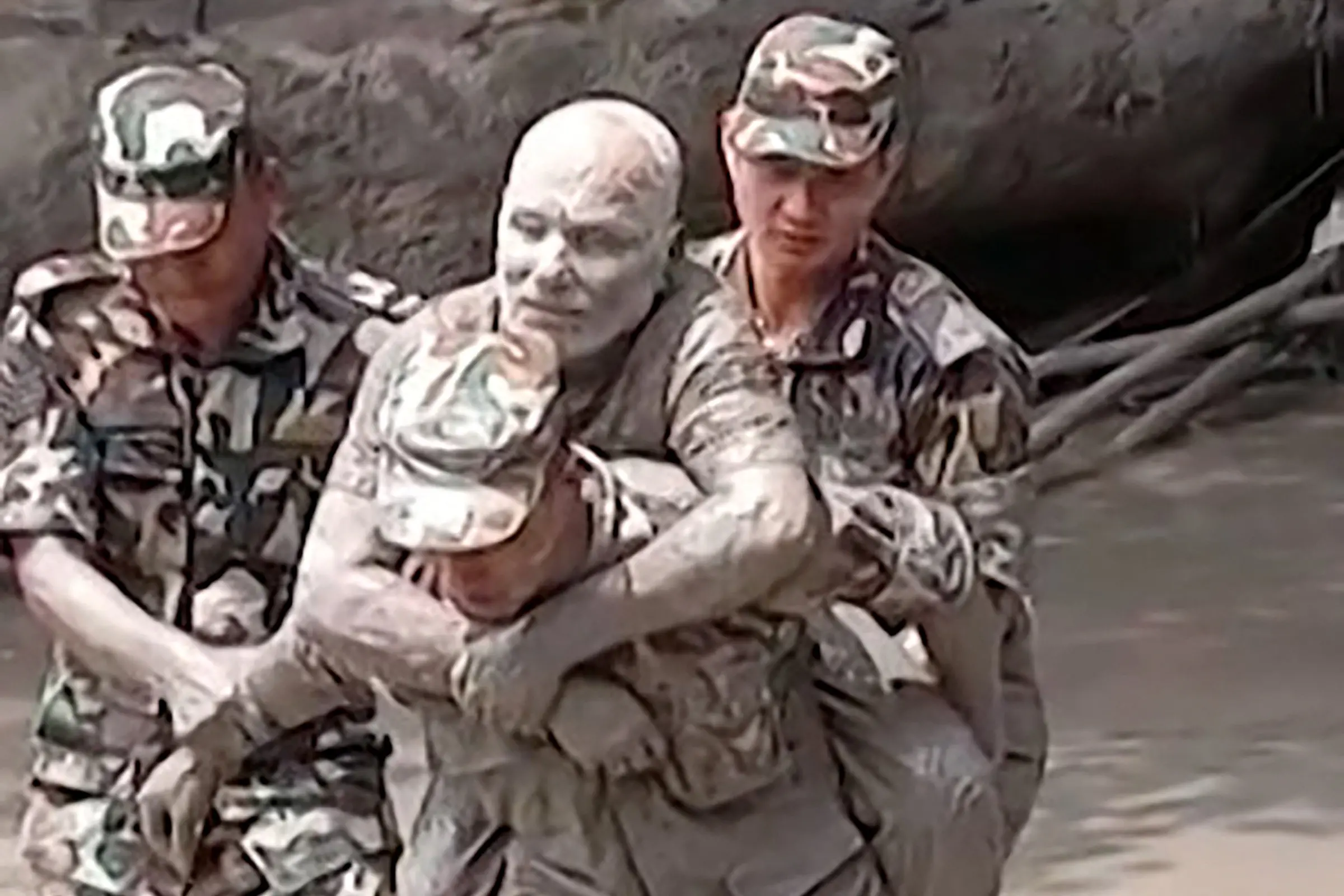
Kathmandu: Over 130 Indians, including pilgrims travelling for the Kailash Mansarovar Yatra, were reported missing after flash floods swept through parts of Nepal, while several others remained stranded. The Indian Embassy in Kathmandu and state governments have opened helplines to assist affected Indians and their families.
In Tamil Nadu, the whereabouts of 37 of 57 tourists remain unconfirmed, while 20 have been accounted for. In West Bengal, a 32-member Kailash Mansarovar group from Kolkata went untraceable after the flash flood struck near Rasuwagadhi, close to the Nepal-Tibet border. The group had reached the immigration office at around 8.30 am when the flooding occurred.
Several other Indians were also reported stranded. Seven tourists from Maharashtra were affected, with four confirmed safe and efforts continuing to contact the remaining three. A 36-member group from Kerala was reported safe and away from the worst-hit areas. Farmer leader Rakesh Tikait, who travelled to Nepal by road, was stranded in Pokhara and said he planned to return to India by air.
The Isha Foundation also said 77 of its members who were at an immigration centre were missing, although Nepalese authorities later said the entire staff of that centre was out of contact. Communication remains difficult in several affected areas because floods have damaged infrastructure and disrupted connectivity.
The Indian Embassy in Kathmandu has issued emergency contact numbers for affected nationals, while Tamil Nadu, West Bengal, Maharashtra, Kerala, Uttar Pradesh, Sikkim, Odisha, Uttarakhand and Chhattisgarh have established helplines or control rooms. Authorities are continuing to verify the whereabouts of Indian nationals as rescue and relief operations continue in Nepal.
Hundreds of travellers reported missing
The Nepal Tourism Board has said 384 travellers were preliminarily reported missing, including 291 foreign nationals and 93 Nepalis. The figures are still being verified through travel agencies, guides, local administrations and security agencies.
At least 105 Indian nationals and 37 non-resident Indians are among those reported missing, according to reports citing Nepalese authorities. The preliminary list also includes 12 tourists from the UK, 17 from Malaysia, three from the United States and four from South Africa.
Officials have warned that the number could change as verification continues.
What caused the flash flood?
Nepal's Foreign Minister Shishir Khanal told Parliament that preliminary information indicated an earthquake at around 8.37 am triggered an avalanche, which then caused the flash flood. He stressed that the sequence was still being verified.
The possibility of an unusual trigger is also being examined because Nepal's Department of Hydrology and Meteorology had said the flooding was not caused by heavy rainfall. Less than seven millimetres of rain had been recorded in Rasuwa during the previous 24 hours.
Authorities are therefore investigating geological and glacial factors behind the sudden release of water.
Major destruction in Rasuwa and Nuwakot
The Bhote Koshi River flooded at around 8.30 am in the Rasuwa area before the waters affected the Trishuli River and settlements in Nuwakot.
Several bridges and roads were destroyed, while buildings near the riverbanks were damaged or swept away. Around 60 houses near Trishuli Bazaar were reportedly washed away, and hydropower and solar-power infrastructure also suffered damage.
Three unidentified bodies were recovered from the Trishuli River bank in Nuwakot, while rescue teams continued searching affected areas.
Security personnel and officials missing
The disaster has also affected Nepal's security forces and government agencies. Officials said 26 police personnel, nine armed police personnel and 44 military personnel were among those reported missing.
Fourteen employees of the Rasuwa Customs Office in Timure were also out of contact. Roads and bridges leading to several affected areas have been damaged, complicating search and rescue operations.
Rescue operations intensify
The Nepal Police, Armed Police Force, Nepal Army and local administrations have been deployed for rescue and relief work.
The Nepal Police said 114 people were rescued from the Bhotekoshi River area in Rasuwa. The Nepal Army rescued more than 80 people by helicopter, while private helicopter operators rescued another 29.
Several helicopters have been mobilised to evacuate stranded people from areas including Syafrubesi, Mailung and Dhunche.
Medical assistance is also being prepared. The World Health Organization is arranging medicines, equipment and emergency tents, while Nepal's Health Ministry has reserved emergency beds in Kathmandu hospitals and deployed medical teams.
India offers assistance
Prime Minister Narendra Modi spoke to Nepal Prime Minister Balendra Shah following the disaster and expressed condolences over the loss of lives.
Modi said India stood in solidarity with the people of Nepal and assured Shah of India's "all possible humanitarian assistance". He also said India was coordinating closely with Nepal on rescue and relief efforts.
The unusually sudden flooding, despite limited rainfall, has raised questions about the role of earthquakes, avalanches and other high-altitude hazards in triggering extreme river surges.
The disaster also highlights the vulnerability of settlements, transport infrastructure, hydropower facilities and travellers along Nepal's mountainous border regions. With hundreds still unaccounted for and several areas inaccessible, casualty and missing-person figures are likely to remain provisional until rescue teams reach more affected locations.
Analysis
The immediate priority remains locating missing people and restoring access to isolated communities. However, determining the exact cause of the flood will be important for future disaster preparedness.
If the earthquake-avalanche sequence is confirmed, it could reinforce concerns about cascading hazards in mountainous regions, where seismic activity, unstable slopes, snow and glacial conditions can combine to produce sudden flooding.
The large number of missing foreign travellers, including Indians, also makes coordination between Nepalese authorities, foreign missions, travel agencies and families particularly important. Verification of passenger and traveller records will be necessary before final casualty figures can be established.
For India, the disaster has a direct humanitarian dimension because of the number of Indian nationals reported missing and the close geographic and people-to-people links between the two countries. India's offer of assistance could therefore become an important part of the wider rescue and relief response as Nepal continues its search operations.