‘Revenge must certainly happen': Mojtaba Khamenei's first message after father's funeral
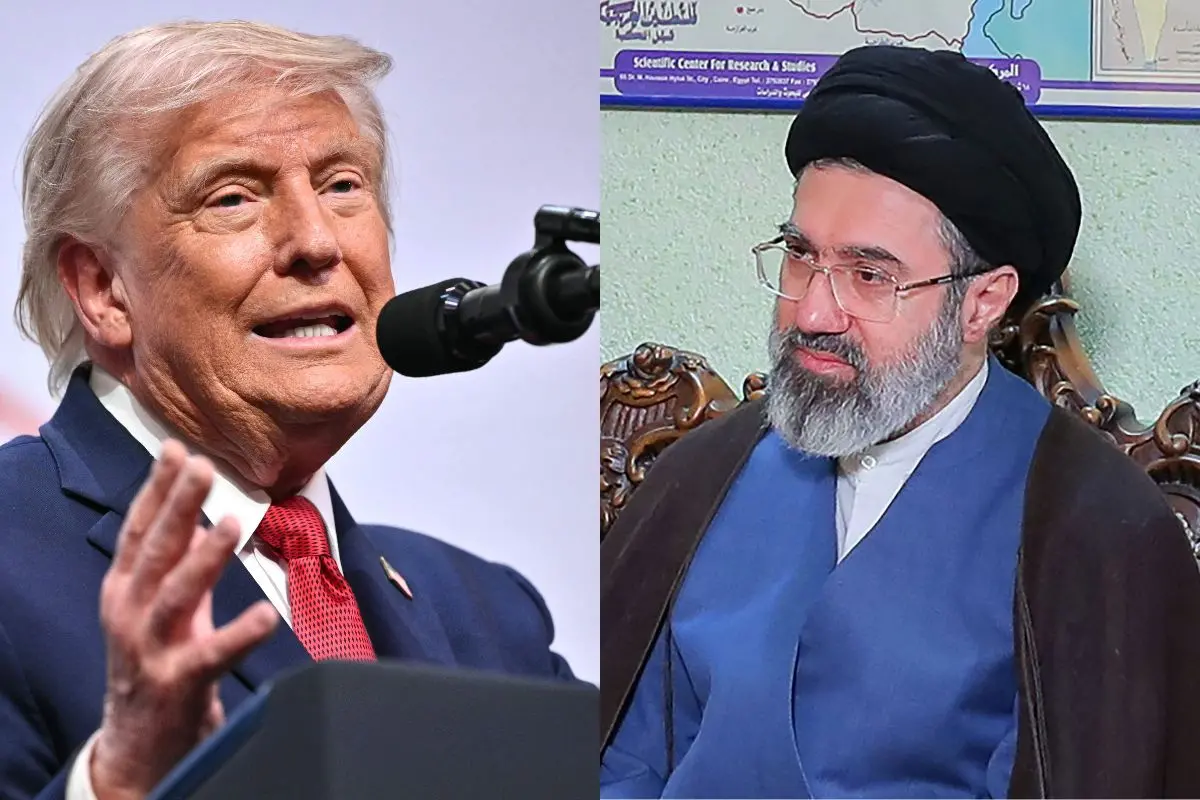
Tehran: Mojtaba Khamenei has vowed that revenge for the killing of his father, Iran's late Supreme Leader Ayatollah Ali Khamenei, "must certainly" happen, adding a fresh layer of uncertainty to the already fragile US-Iran situation as diplomatic efforts remain stalled.
Mojtaba Khamenei, son of Iran's late Supreme Leader Ayatollah Ali Khamenei, has declared that revenge for his father's killing "must certainly" happen. The remarks came shortly after Iran completed funeral ceremonies for the late leader in his hometown of Mashhad, where senior officials and supporters gathered for the final rites.
His statement is the strongest indication yet that influential figures within Iran continue to favour a hardline response following the death of the country's highest political and religious authority.
Funeral held amid renewed conflict
Ayatollah Ali Khamenei was buried more than four months after he was killed in the US-Israeli strikes of 28 February, an event that dramatically escalated tensions across West Asia.
The funeral ceremonies began in Tehran before concluding in Mashhad, but the symbolic occasion was overshadowed by reports of fresh explosions in southern Iran. The United States denied involvement in the reported incidents.
Peace efforts face another setback
The latest developments have further complicated attempts to revive diplomacy between Tehran and Washington.
The two countries had signed a Memorandum of Understanding (MoU) in Switzerland on 17 June aimed at reducing hostilities and reopening dialogue. However, accusations of repeated violations by both sides, coupled with fresh military action, have placed the agreement under severe strain.
Iran has insisted that negotiations cannot resume unless the United States changes its current position, while influential conservative voices inside the country continue to question the value of diplomacy.
Iran's hardliners question negotiations
Senior hardline politician Saeed Jalili said negotiations should only be pursued if they strengthen Iran's national interests.
Writing on social media, Jalili argued that diplomacy is "a tool, not a goal," adding that talks should continue only if they increase the country's strategic position rather than weaken it. His remarks highlight the growing influence of hardline voices as the crisis deepens.
Trump issues fresh warnings
US President Donald Trump has renewed his warnings to Iran following Israeli intelligence assessments alleging a plot by Tehran to assassinate him.
Trump has said the United States has contingency plans in place should any such attempt occur, while Washington continues to increase its military presence in the Gulf region following attacks on commercial shipping in the Strait of Hormuz.
Regional tensions continue to rise
The conflict has spread beyond Iran and the Gulf. The Israeli military reportedly carried out demolitions in southern Lebanon, while Iran announced that a railway bridge damaged during an earlier US strike had been repaired and reopened within a day.
Iranian officials described the rapid restoration of the bridge as a demonstration of the country's resilience despite continued military pressure.
Mojtaba Khamenei's call for revenge is expected to further complicate efforts to restore dialogue between Iran and the United States.
With diplomatic negotiations stalled, military deployments continuing and both sides exchanging increasingly confrontational statements, the prospects for reviving the Switzerland-brokered peace framework remain uncertain. Regional observers warn that any further escalation could have wider consequences for security, global energy markets and international shipping.