Middle East conflict: Airstrike hits inside former US Embassy compound in Tehran
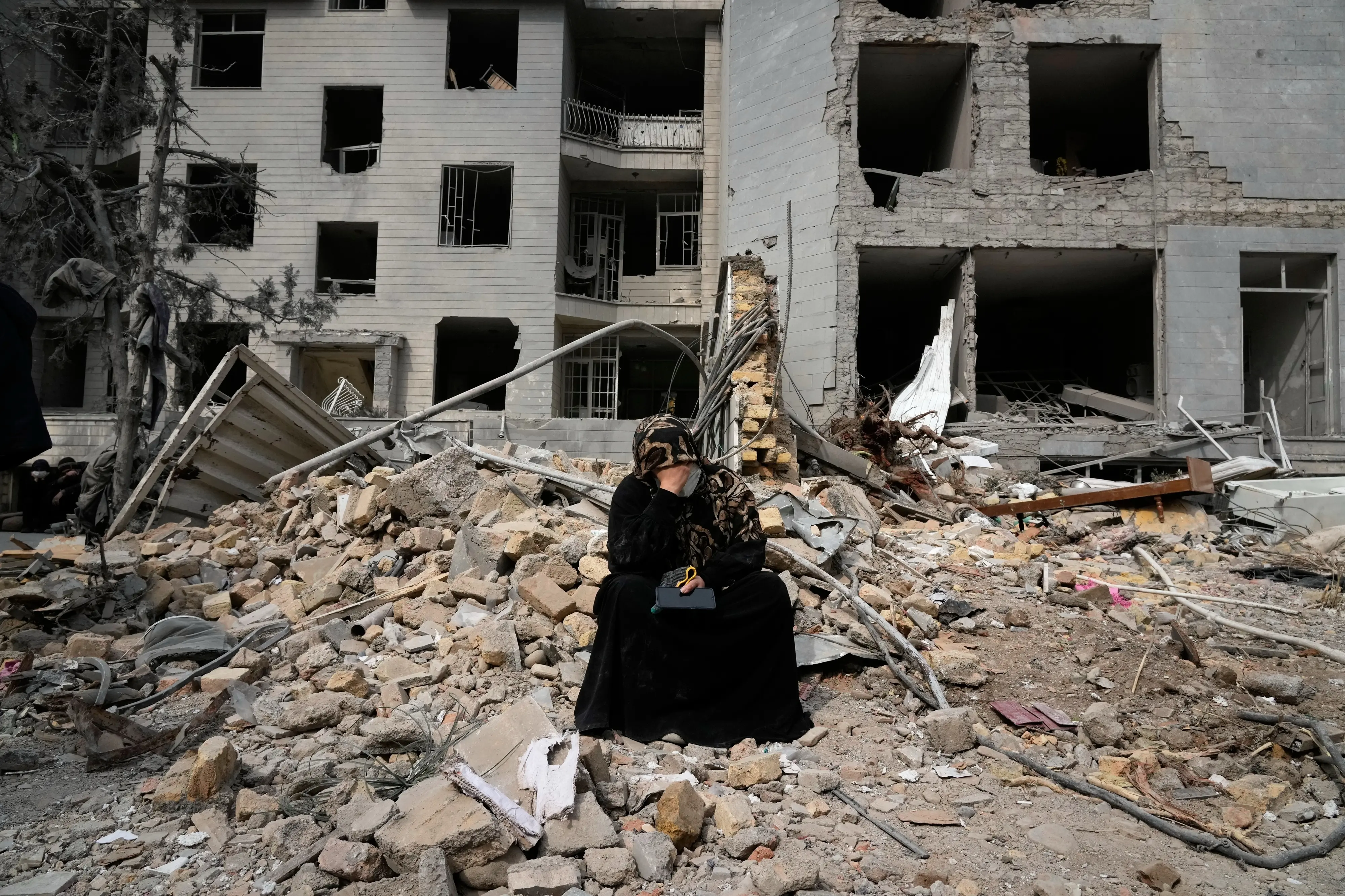
Tehran: An airstrike in Iran’s capital, Tehran, on Wednesday appears to have struck inside the compound of the former U.S. Embassy, a site long controlled by the country’s powerful paramilitary forces.
The compound, seized during the 1979 Iran hostage crisis and now operated by Iran’s Revolutionary Guard and its Basij volunteer force, houses an anti-American museum and several newer buildings. Witnesses reported blown-out windows around the sprawling complex on Taleghani Street, though no visible missile impact was seen outside, suggesting the strike may have occurred within the compound itself.
Also read | King Charles III confirms US state visit despite ‘toy Navy’ spat and Iran war tensions
The development comes amid escalating regional hostilities. Iran launched attacks early Wednesday on a tanker off the coast of Qatar and on Kuwait International Airport, maintaining pressure on Gulf Arab neighbours even as it acknowledged for the first time that Washington had been in direct contact over a potential ceasefire.
Israel, meanwhile, warned of incoming fire from both Yemen and Iran, and carried out strikes in Lebanon that reportedly killed at least five people.
Also read | UAE economy under pressure: Layoffs surge as Gulf tensions hit jobs and remittances
With the conflict showing no signs of easing and the death toll surpassing 3,000, Donald Trump indicated the war could end within two weeks, even as he ordered the deployment of thousands more U.S. troops to the region.
Trump has faced mounting pressure to halt the war, particularly as Iran’s actions in the Strait of Hormuz and its targeting of regional energy infrastructure have driven global oil prices sharply higher and triggered volatility in stock markets.
Tehran has restricted ship traffic through the strategic waterway since coming under attack by the U.S. and Israel on February 28. The strait, a critical artery linking the Persian Gulf to the open ocean, typically carries about a fifth of the world’s oil supply. Since the conflict began, Brent crude prices have surged by more than 40 per cent, climbing above $104 per barrel.
The U.S. has proposed a 15-point plan to secure a ceasefire, including reopening the Strait of Hormuz. Iran’s counterproposal includes maintaining sovereignty over the waterway. Despite the standoff, Trump suggested Tuesday that a resolution could still be reached even if Iran retains control of the strait.
The U.S. “will not have anything to do with” what happens in the Strait of Hormuz, instead telling reporters that the responsibility for keeping the vital waterway open would belong with countries that rely on it.
“That’s not for us. That’ll be for France. That’ll be for whoever’s using the strait,” Trump said.