Massive setback for Pakistan, Afghan forces capture multiple border posts | WATCH
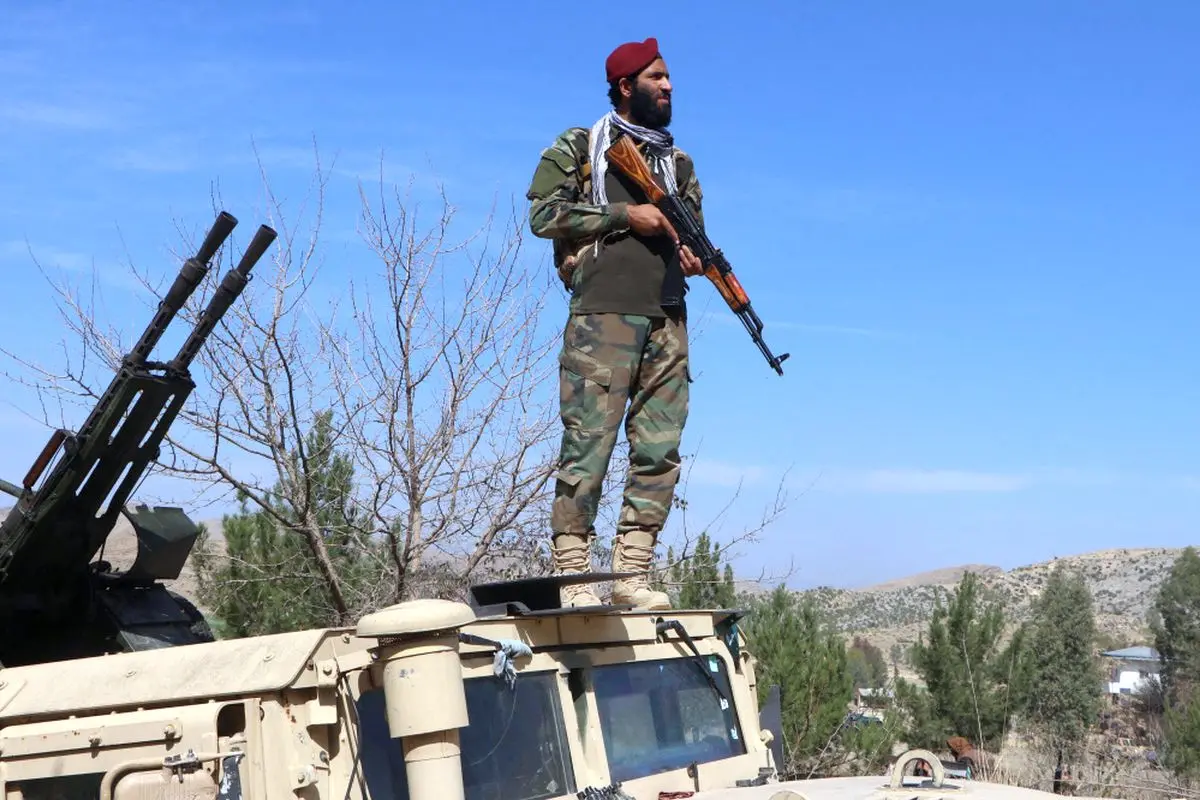
Hostilities along the volatile 2,600-km Durand Line have intensified into the heaviest clashes in years, with Afghanistan's forces claiming to have captured multiple Pakistani military installations in retaliatory strikes.
The escalating conflict, now in its fifth consecutive day, follows last month's airstrikes by the Pakistan Air Force (PAF) on what Islamabad described as militant hideouts inside Afghanistan.
According to the Afghan Defence Ministry, Taliban-led forces have successfully taken control of several Pakistani military posts in Kandahar province, specifically within the Spin Boldak and Shorabak districts.
Local reports from TOLOnews indicate that three posts were seized in Spin Boldak alone, resulting in the reported deaths of three Pakistani soldiers and the capture of one serviceman.
The offensive also extended to the Ali-Sher district in Khost province, where two additional Pakistani positions were reportedly overrun. Afghan officials claim that since the start of the confrontation, their forces have captured over 25 military posts and neutralized more than 100 Pakistani personnel, though these figures have not been independently verified.
Targeted Strikes, Armoured Losses
The conflict has seen a significant exchange of heavy weaponry. On Monday, Ministry spokesperson Enayatullah Khowarazmi announced the destruction of a Pakistani armoured tank in Paktika province, alleging it had been firing indiscriminately into Afghan territory.
The reach of the hostilities has also touched Kabul's periphery. Afghan police reported that Pakistani fighter jets attempted a bombing run on the Bagram air base -- formerly the largest US military installation in the country -- but were repelled by Afghan air defence systems. No casualties or structural damage were reported in the attempt.
Why are Afghanistan and Pakistan fighting?
The current surge in violence traces back to February 21-22, when Pakistan conducted "selective operations" against terror camps in the border regions. Kabul responded by launching a coordinated counter-offensive against Pakistani military bases, citing a violation of national sovereignty.
While military officials on both sides suggest that the intensity of the fighting has subsided slightly from the initial peak, the situation remains precarious.
Also Read: Pakistan's risky bet against the Taliban
Both nations continue to accuse the other of unprovoked aggression, deepening the instability along a frontier that has long been a flashpoint for regional tension.
As with previous escalations in October, the ongoing artillery and missile exchanges have threatened the movement of goods and people across the Durand Line. Diplomatic channels remain strained, with little sign of a renewed ceasefire as both militaries maintain high-level forward deployments across the shared border.