India moving away from Russian oil? Rubio says energy diversification is advancing
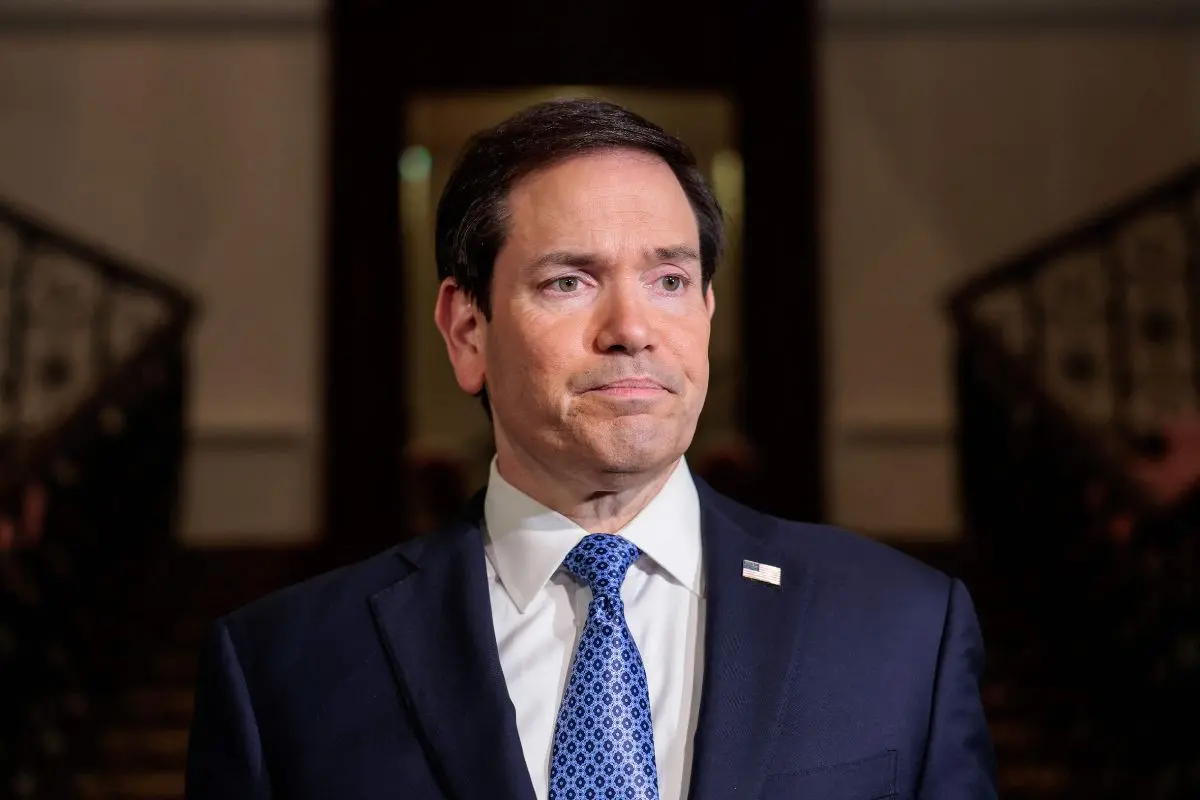
Mumbai: US Secretary of State Marco Rubio on Tuesday said India had made “substantial progress” in diversifying its energy supplies, including reducing its dependence on Russia, a key source of crude oil imports.
“What India has expressed repeatedly is their desire to diversify their energy portfolio, which is a smart thing to do,” Rubio said during his visit to Mumbai, India's financial capital.
“Obviously, it's not easy to do that from one day to the next, so I think they've made substantial progress in that regard, and we're happy to see that,” he added.
Rubio said the United States could also help meet India's energy requirements. “Obviously, we think we could be a source of some of their energy inputs,” he said.
India remains a major importer of Russian oil, with energy trade emerging as a point of contention between New Delhi and Washington. US President Donald Trump's tariff measures, introduced in April last year, have further strained trade relations between the two countries.
Rubio calls India a ‘refining superpower’
Rubio is scheduled to visit Jamnagar in Gujarat, home to Reliance Industries' flagship refinery, operated by billionaire Mukesh Ambani's conglomerate. The facility is the world's largest refining complex.
Describing India's refining capabilities, Rubio said, “India is a refining superpower.”
During his visit, the US Secretary of State is also expected to hold talks with External Affairs Minister S Jaishankar and meet business leaders.
India-US trade deal nearing finalisation
Rubio's visit comes amid continued efforts by India and the US to finalise a trade agreement, which has remained a key source of friction between the two countries.
“We're very, very close; I would say we're about as close as you can be without having an executed agreement. I think there's a small number of items left to wrap up,” Rubio said.
“Hopefully have some good news to announce fairly soon, and perhaps the leaders can sign it thereafter,” he added.
The two countries reached an interim trade agreement in February aimed at reducing US tariffs on Indian goods. However, the US Supreme Court struck down President Trump's sweeping tariffs days later, creating uncertainty over the implementation of the proposed agreement.