Days after truce, Israel strikes Lebanon again; says Hezbollah militants killed
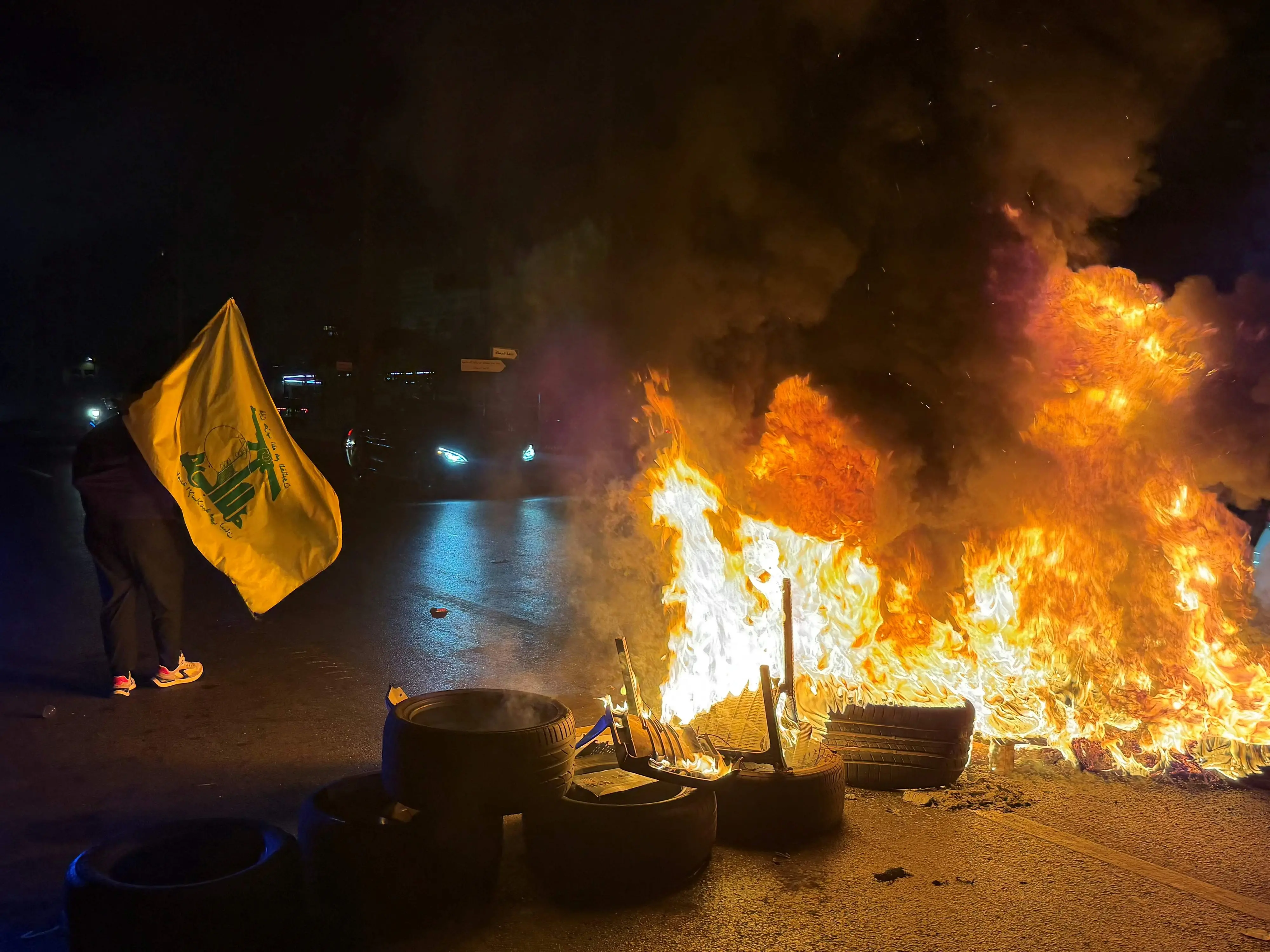
Jerusalem: Israel says it killed Hezbollah militants and destroyed a rocket launcher in southern Lebanon just days after signing a US-backed interim peace agreement with Lebanon, raising fresh concerns over the fragile ceasefire.
Hopes for a lasting calm between Israel and Lebanon have been shaken after Israel said it carried out fresh military operations in southern Lebanon just days after signing an interim peace agreement brokered by the United States.
According to the Israeli military, its forces killed Hezbollah militants armed with rocket-propelled grenades and destroyed a rocket launcher in the Nabatieh area of southern Lebanon. Israel said the launcher posed a direct threat to its troops and that the strike targeted a structure being used by the militants.
Lebanon's state-run National News Agency reported a fresh Israeli strike in southern Lebanon on Sunday. "An Israeli warplane carried out an airstrike targeting the outskirts of the towns of Deir Seryan and Taybeh in southern Lebanon," Lebanon's state-run National News Agency reported.
The military maintained that the operation was aimed at removing immediate security threats despite the newly signed agreement intended to reduce hostilities along the border.
Iran strongly condemned the strikes, describing them as a clear violation of the interim truce. Tehran accused Israel of undermining efforts to stabilise the region as diplomatic negotiations continue.
The latest developments come only days after Israel, Lebanon and the United States signed a trilateral interim agreement in Washington following several rounds of negotiations. The deal was designed to reduce tensions, move towards a broader peace framework and outline steps to disarm Hezbollah.
However, Hezbollah has rejected the agreement outright. The group's leader, Naim Qassem, dismissed the deal as "humiliating, shameful, and a surrender of sovereignty", declaring it null and void. He argued that the agreement could ultimately pave the way for Israeli control over parts of southern Lebanon.
Israeli Prime Minister Benjamin Netanyahu had earlier welcomed the US-mediated agreement, calling it a historic achievement that weakened both Iran and Hezbollah. He described the deal as a significant diplomatic success for Israel after direct negotiations with Lebanon.
Israeli Defence Minister Israel Katz also reiterated that Israeli troops would remain in parts of Lebanon as long as Hezbollah continued to possess weapons, signalling that military operations could continue despite the agreement.
The renewed violence has added to growing instability across the Middle East. Although interim understandings are now in place between Israel and Lebanon, and separate US-Iran efforts continue to prevent wider escalation, recent military exchanges have fuelled fears that both diplomatic tracks remain highly fragile.
Tensions have also risen in the Gulf, with disputes involving shipping in the Strait of Hormuz further complicating regional peace efforts. Iran and the United States have exchanged accusations of violating understandings reached in recent negotiations, increasing uncertainty over whether broader de-escalation can be sustained.