From Al-Qaeda recruit to ISIS 'deputy caliph': Who was Abu Khadija?
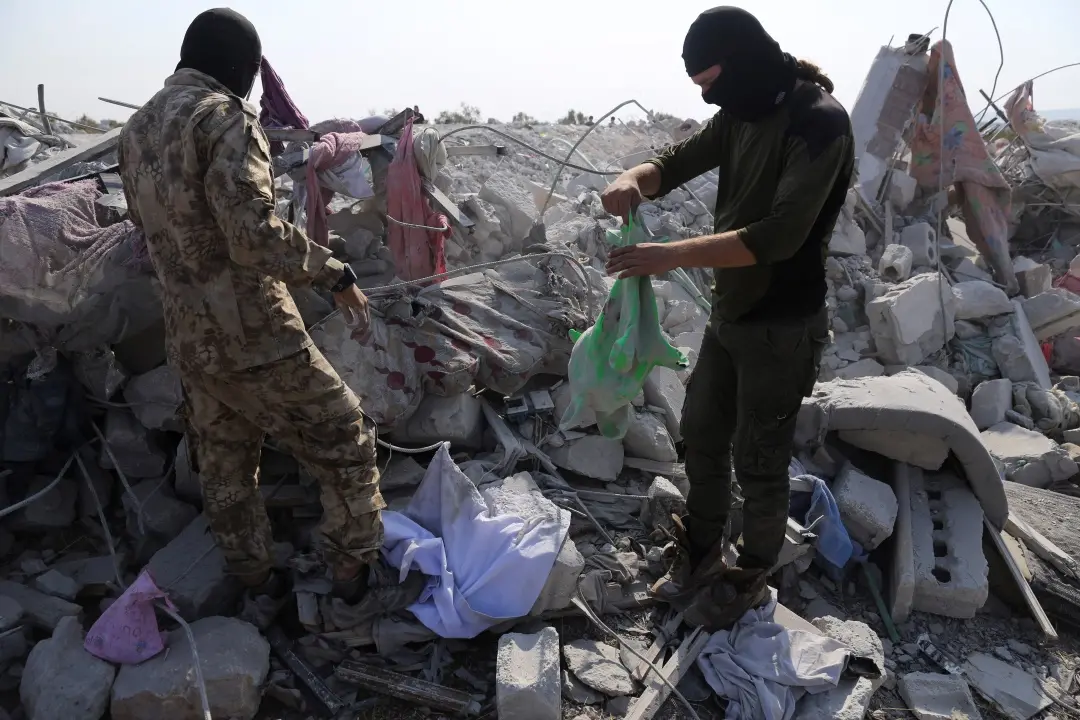
Baghdad: Abdallah Makki Muslih al-Rufay'i, known as Abu Khadija, a high-ranking figure within the Islamic State (ISIS), has been eliminated in a joint operation conducted by Iraqi security forces and the US-led coalition.
Iraqi Prime Minister Mohammed Shia al-Sudani confirmed the death, describing Abu Khadija as "one of the most dangerous terrorists in Iraq and the world." This operation marks a significant blow to ISIS's efforts to regain strength in the region.
Abu Khadija's path to extremism began in 2009 when he joined al-Qaeda. Two years later, he was apprehended and imprisoned, but he managed a daring escape from Tasfirat prison in 2011. His resurgence in 2014 coincided with ISIS's rapid expansion across Iraq and Syria, providing him with an opportunity to rise through the ranks of the terror group.
Demonstrating strategic acumen and operational prowess, Abu Khadija quickly ascended within ISIS. He held various critical positions, including security chief for Kirkuk province, before eventually assuming the role of "Wali of the Blessed Land." This position effectively placed him in command of ISIS operations in Iraq and Syria, making him a key architect of the group's attempts to regenerate its capabilities in the region. He was also designated as the "Deputy Caliph," highlighting his high-level status within the terror organisation.
The operation that culminated in Abu Khadija's death was the result of a meticulous four-month-long intelligence gathering and tracking effort. Joint teams from the Iraqi Counter-Terrorism Service, Iraqi Intelligence, and the international coalition painstakingly monitored his movements. Intelligence revealed that he frequently traveled in a Kia vehicle through the rugged terrain of Wadi Tabl, often accompanied by his wife and a close associate, Abu Nabil Al-Hindi.
The final phase of the operation was executed with precision. After pinpointing his location—a mobile tent in a remote area—a special unit from the Counter-Terrorism Service launched a targeted raid. Some reports suggest that airstrikes were also used in the Anbar province portion of the operation. The raid resulted in the swift and decisive elimination of Abu Khadija.
Prime Minister al-Sudani's confirmation of Abu Khadija's death was accompanied by a statement emphasizing the significance of this victory in the ongoing fight against ISIS. US President Donald Trump, through his Truth Social platform, acknowledged the operation, attributing its success to the relentless efforts of "intrepid warfighters" working in collaboration with the Iraqi government.
This operation occurs against a backdrop of heightened concern regarding ISIS's potential resurgence. While the group has suffered significant territorial losses, it maintains a network of dispersed cells and continues to conduct sporadic attacks. The elimination of Abu Khadija is seen as a crucial step in disrupting ISIS's command structure and hindering its ability to regroup and re-establish a caliphate.