‘War rules have changed’: Iran threatens tougher response to US attacks
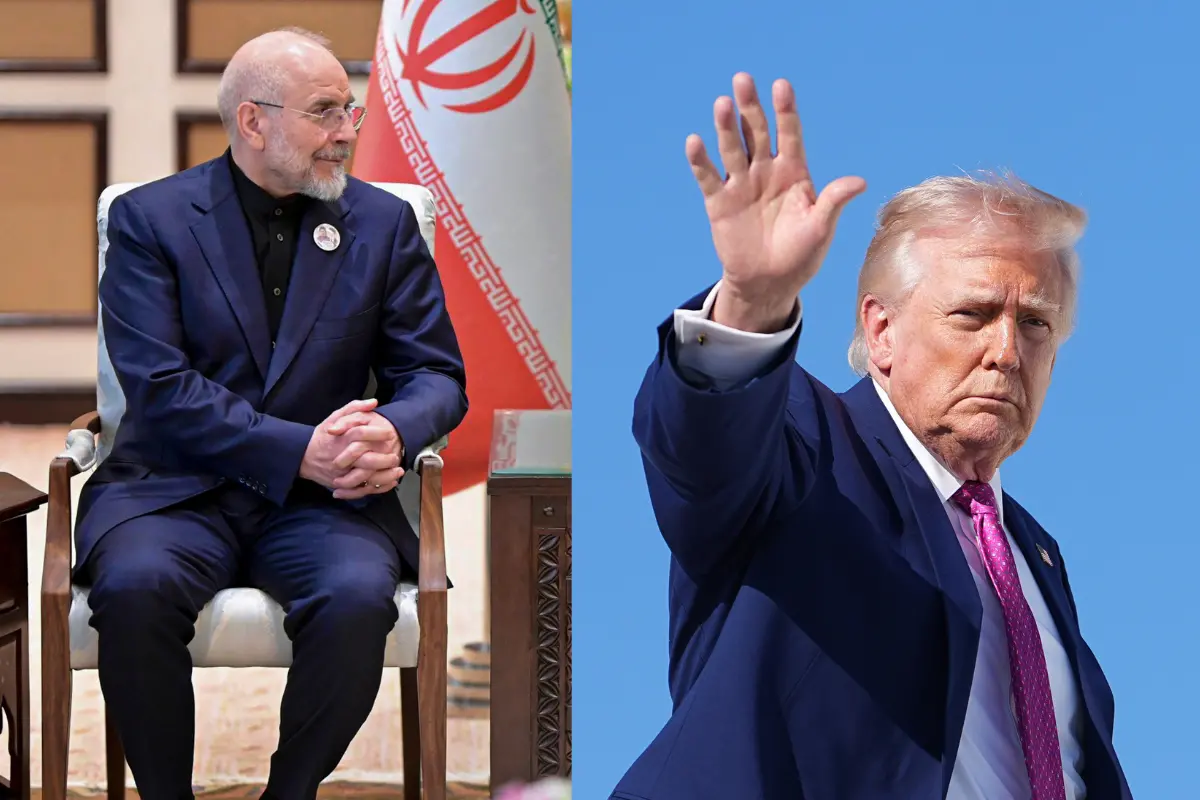
Tehran: Iran has issued a fresh warning to the United States after US forces struck three Iranian oil tankers, with Iranian Parliament Speaker Mohammad Bagher Ghalibaf saying the “rules” of the conflict have changed.
Ghalibaf said Iran would respond more quickly and forcefully to any further attack on its interests or security. His warning comes as military tensions between Tehran and Washington have intensified around the Gulf and the strategically important Strait of Hormuz.
Iran threatens stronger response
In a statement published on his Telegram channel, Ghalibaf warned that future attacks against Iran would receive a “faster, heavier and more painful response”.
His comments followed US strikes on three Iranian crude oil carriers. The US Central Command said the action came after Iran's Islamic Revolutionary Guard Corps launched missile attacks towards two US Navy warships. Washington said the ships avoided the attacks and that no American personnel were injured.
Ghalibaf's remarks signal that Tehran is preparing for a potentially tougher response if US military pressure continues.
Iran claims it targeted US-linked vessels
Iranian state media also reported that Iranian forces targeted oil tankers using what Tehran described as unauthorised routes through the Strait of Hormuz.
Iran further claimed that an unmanned US vessel attempting to enter a restricted area in the waterway had been hit. The US Central Command had not confirmed the claim at the time of reporting.
The competing claims highlight the growing military and maritime tensions around the Strait of Hormuz, one of the world's most important energy routes.
The US has also warned Tehran against further attacks on American forces.
US Central Command commander Admiral Brad Cooper said Washington would defend American forces and warned that further attacks could lead to the destruction of Iran's remaining oil fleet. The US has also been increasing economic pressure on Tehran as part of its broader strategy against Iran.
The confrontation is increasingly centred on shipping and oil exports. The Strait of Hormuz is a crucial route for global energy supplies, meaning prolonged disruption could have consequences well beyond the US-Iran conflict.
Iran has used its position around the waterway as leverage, while Washington has sought to keep maritime routes open and restrict Tehran's ability to generate revenue from oil exports.
What happens next
The latest warnings raise the possibility of further military action involving US forces, Iranian forces and commercial shipping in the Gulf.
The situation also comes as Washington continues economic pressure on Iran. Tehran, meanwhile, is signalling that attacks on its oil exports and maritime interests will not go unanswered.
The latest escalation shows how the conflict has expanded beyond direct military strikes to include oil shipments, tankers, economic sanctions and control of the Strait of Hormuz.
The immediate trigger was the US strike on three Iranian tankers following what Washington described as Iranian missile attacks on US Navy vessels. Iran's subsequent warnings suggest that future confrontations could increasingly target American military or maritime interests.
The biggest concern is that repeated attacks around the Gulf could create a wider cycle of retaliation. Any major disruption to shipping through the Strait of Hormuz could also affect global oil markets and increase economic pressure on countries dependent on Gulf energy supplies.
For now, both Washington and Tehran are signalling that they are prepared to continue applying pressure, raising the risk of further escalation if no diplomatic arrangement is reached.