‘Serious consequences’: Iran warns South Korea against joining US operations in Hormuz
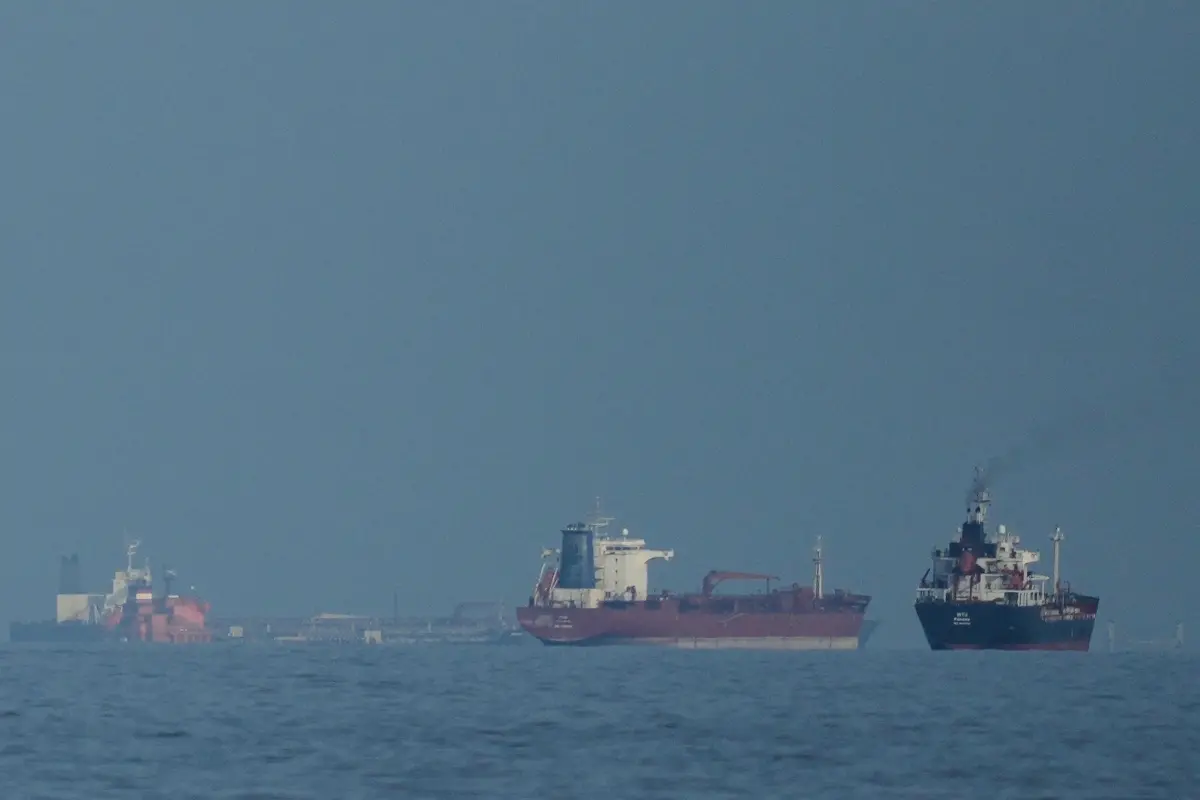
Tehran: Iran has warned South Korea against any military deployment or participation in US operations around the Strait of Hormuz, saying such involvement would have “serious consequences” as fighting and tensions over the strategically important waterway intensify.
Iran’s Foreign Ministry on Monday warned South Korea against joining or supporting US military operations in the Strait of Hormuz.
Foreign Ministry spokesperson Esmaeil Baqaei said that any military deployment by other countries in the Persian Gulf or Strait of Hormuz would be viewed by Tehran as direct support for the side responsible for what Iran describes as aggression.
The warning came after South Korea said on Friday that it was considering possible “contributions” to US security efforts in the strategic waterway. Seoul said any decision would depend on ensuring that its own military readiness was not compromised and stressed that no final decision had been taken.
Baqaei also accused Washington of putting pressure on South Korea and warned Seoul against becoming involved in US operations.
Iran plans proposed exclusion zone
The warning came amid reports that Iran is preparing to announce an “exclusion zone” around the Strait of Hormuz.
Mohsen Rezaei, the newly appointed head of Iran’s Supreme National Security Council, said the proposed zone could extend from the area of the US naval blockade of Iranian ports towards the Strait of Hormuz and into the Persian Gulf.
According to Rezaei, vessels entering the designated area with the intention of passing through the strait and identified by Iranian authorities could be placed on Iran’s sanctions list.
However, the precise boundaries of the proposed zone and how Iran would enforce it remain unclear.
The move could further complicate shipping through the waterway, which is one of the world's most important routes for global energy supplies.
US-Iran fighting raises shipping concerns
The latest developments follow renewed US-Iran military exchanges around the Strait of Hormuz after several weeks of relative calm.
The United States has been using naval forces to enforce a blockade of Iranian ports and prevent Iranian oil exports. The US military has said that more than 20 warships are supporting the operation.
Iran has also claimed attacks against US military assets in and around the strait, although the US military has rejected some of those claims.
The escalation has increased concerns over the safety of commercial shipping and the movement of oil and liquefied natural gas through the waterway.
Why the Strait of Hormuz matters
The Strait of Hormuz connects the Persian Gulf with the Gulf of Oman and the Arabian Sea. It is a critical route for international energy shipments and normally carries roughly one-fifth of global oil and liquefied natural gas exports.
Since the conflict began on February 28, shipping through the waterway has been severely disrupted. Iran has required vessels to seek permission before transiting the strait, rejecting a return to the pre-war system of unrestricted navigation.
The disruption has put additional pressure on global energy markets because alternative routes cannot fully replace the capacity normally handled by Hormuz.
US Energy Secretary Chris Wright said around 9 million barrels of oil per day were still moving through the strait, with regional pipelines also contributing to supply. He said the combined flows were probably at least two-thirds of pre-conflict levels.
Iran seeks guarantees before diplomacy
Rezaei also indicated that Tehran remains sceptical about restarting negotiations with Washington without stronger guarantees.
He referred to previous mediation efforts involving Pakistan, Qatar and Oman, saying Iran had expected mediators to intervene if either side violated an agreement.
According to Rezaei, Iran is now seeking negotiations accompanied by guarantees as fighting and economic pressure continue.
The comments indicate that Tehran is linking any potential diplomatic process to assurances over the implementation of future agreements.
What South Korea's involvement could mean
South Korea's consideration of a role in US security operations adds another international dimension to the conflict. Seoul has not announced a military deployment, but any decision to participate could increase the number of countries involved in protecting or supporting shipping around Hormuz.
For Iran, foreign military participation in the waterway could be viewed as strengthening the US position and challenging Tehran's attempts to control transit through the strait. This explains the unusually direct warning issued to Seoul.
Why the proposed exclusion zone matters
Iran's proposed exclusion zone could make an already difficult shipping environment more complicated. If Tehran attempts to identify, sanction or restrict vessels seeking to cross the area, commercial operators could face greater uncertainty over routes, insurance, naval protection and transit permissions.
At the same time, enforcement of such a zone could increase the possibility of further confrontations between Iranian forces, US naval units and commercial shipping.
Hormuz is particularly important because of the volume of oil and gas normally transported through it. Even if some shipments continue, prolonged uncertainty can affect freight costs, insurance premiums and energy prices.
The extent of the disruption will depend on whether the US and Iran return to negotiations, whether military operations around the strait intensify, and whether other countries become involved in protecting commercial vessels.