Iran lifts transit charges in Strait Of Hormuz for 60 days under new US deal
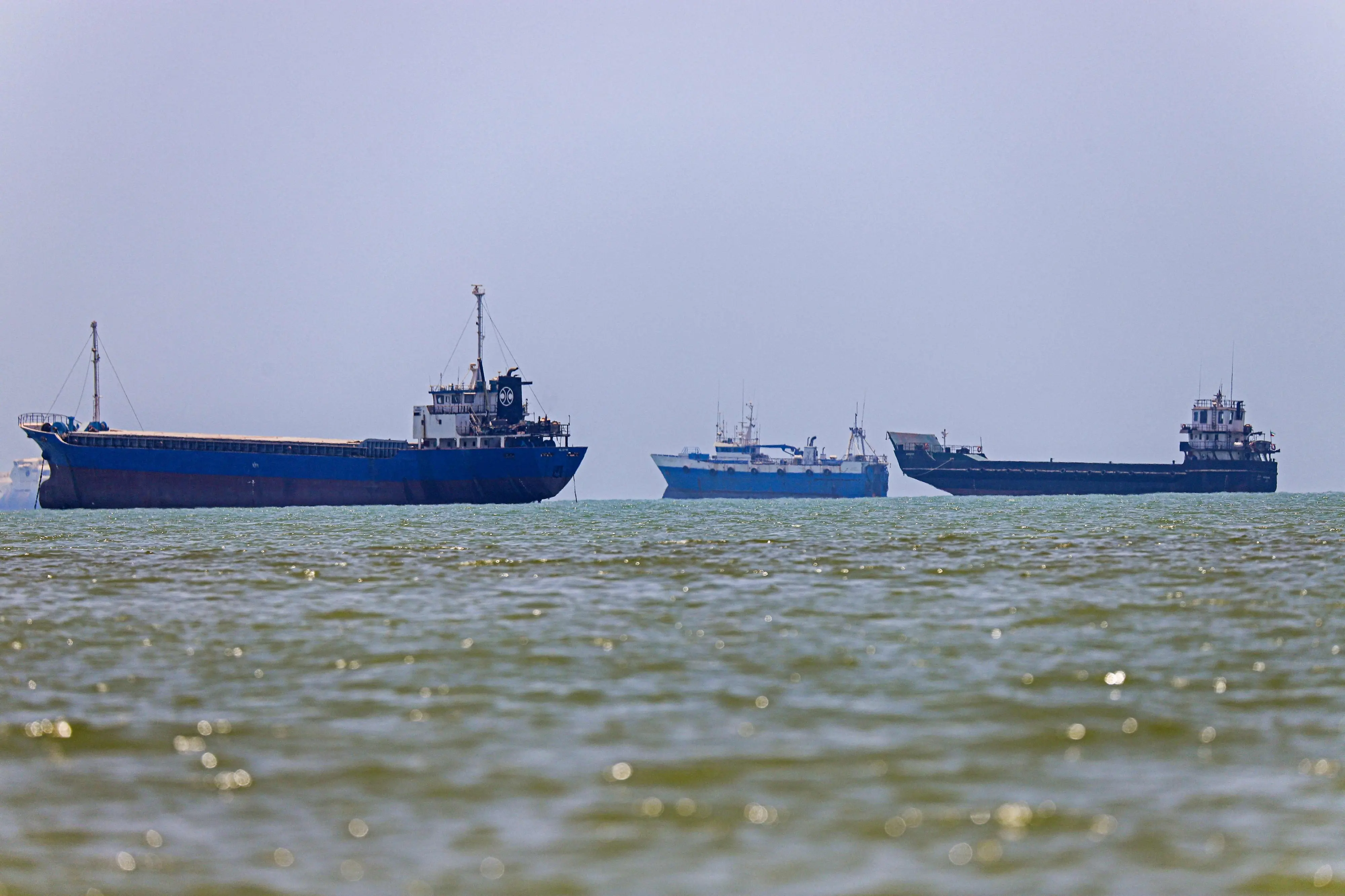
Iran has announced that commercial ships using the Strait of Hormuz will be exempt from transit charges for the next two months, marking one of the first concrete measures implemented under a recently signed memorandum of understanding with the United States designed to reduce tensions and revive maritime commerce in the region.
The decision, unveiled by Iran's Supreme National Security Council (SNSC) on Thursday, comes as Tehran and Washington begin carrying out commitments contained in a 14-point framework agreement that established a 60-day period for negotiations on wider issues including sanctions, regional security, shipping routes and Iran's nuclear programme.
Iranian authorities said the government would cover all costs associated with vessel transit through the strategic waterway during the temporary fee-free period.
Transit permits to be fast-tracked
While ships will not be required to pay transit fees, vessel operators must still obtain approval before passing through the Strait of Hormuz.
According to the SNSC, applications will continue to be handled by the Persian Gulf Strait Authority, the body responsible for managing navigation through the narrow passage linking the Persian Gulf to global shipping lanes.
The authority has been directed to prioritise requests and accelerate permit approvals in an effort to support the gradual recovery of commercial maritime traffic following months of conflict-related disruption.
Iranian officials said the move is intended to encourage shipping companies to resume normal operations while confidence in the region's maritime security is restored.
Navigation rules remain in place
Despite the easing of financial requirements, Tehran indicated that operational restrictions governing vessel movements will remain in force.
Ships transiting the strait will be required to follow designated routes and adhere to assigned schedules, according to the SNSC.
Iranian authorities said the measures are necessary to address ongoing security concerns and ensure safe navigation in one of the world's busiest maritime corridors. Officials argued that regulated traffic flows would reduce the risk of accidents while allowing shipping volumes to increase in a controlled manner.
The council said further technical instructions and operational details would be issued by the Persian Gulf Strait Authority in the coming days.
Iran also confirmed that mine-clearing activities in and around the waterway would proceed under provisions outlined in the agreement with Washington.
Strategic waterway at centre of global trade
The announcement carries significant implications for global shipping and energy markets because the Strait of Hormuz serves as a critical transit route for a large portion of the world's oil and liquefied natural gas exports.
The fee suspension also addresses concerns that emerged during negotiations over whether Iran might seek to impose new charges on vessels using the route. American officials had argued throughout discussions that unrestricted navigation through the strait was essential for restoring stability and confidence in international shipping markets.
US lifts maritime restrictions
Iran's move came shortly after the United States announced a major shift in its own maritime posture toward Tehran.
US Central Command said it had stopped enforcing measures that restricted vessels travelling to and from Iranian ports and coastal waters.
"American forces are not impeding the transit of vessels to or from Iranian ports. All US military blockade enforcement efforts have ceased," the command said in a statement posted on X.
The coordinated steps by Tehran and Washington represent the first visible implementation of the memorandum signed this week and will likely be closely monitored by shipping operators, energy traders and governments across the region.
First test of US-Iran framework
The maritime measures are viewed as an early test of the broader agreement reached between the two countries. The framework commits both sides to reducing military tensions and creates a 60-day window to negotiate a more comprehensive settlement covering longstanding disputes.
Whether the fee waiver, accelerated shipping approvals and the suspension of US maritime restrictions translate into a sustained recovery in commercial traffic through the Strait of Hormuz could become an important indicator of the agreement's effectiveness as negotiations continue.