Drones to watch women? Iran’s AI policing of hijab laws sparks global alarm
Geneva: Iran has ramped up its use of advanced surveillance technology, including aerial drones, facial recognition software, and a government-backed mobile application, to enforce its strict hijab laws, according to a UN report released on Friday. The report, cited by CNN, highlights how Iran's authorities are leveraging artificial intelligence and mass surveillance to suppress dissent, with women and girls being the primary targets.
A central tool in this enforcement strategy is the "Nazer" mobile application, which allows both police and civilians to report women who violate hijab laws. Users can submit vehicle license plate numbers, locations, and times of violations, triggering automated alerts to authorities. Offenders receive warning text messages, with repeated violations leading to potential vehicle impoundment. The app has been further integrated with Iran’s law enforcement system, expanding its reach in September 2024 to include public transportation, ambulances, and taxis.
Additionally, Iran has begun deploying drones in Tehran and southern regions to monitor hijab compliance. Surveillance cameras equipped with facial recognition software were also installed at Amirkabir University to track female students’ adherence to the dress code.
Despite suspending its controversial "Hijab and Chastity" law in December 2024 after internal debate, Iran continues to tighten control through digital policing. If reinstated, the law would impose severe penalties, including up to 10 years in prison and fines of USD 12,000, while granting security forces expanded authority to enforce hijab regulations. Under Article 286 of Iran’s Islamic Penal Code, women accused of “corruption on earth” could even face the death penalty.
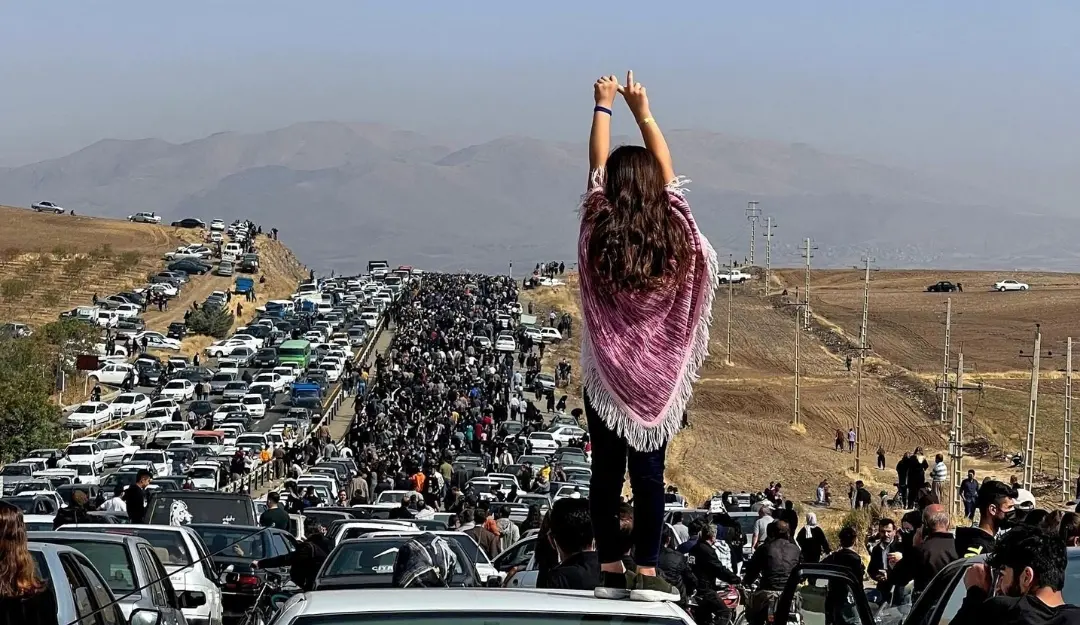
The UN report comes against the backdrop of ongoing widespread protests over hijab laws and broader political grievances. Demonstrations first erupted in 2022 following the death of 22-year-old Mahsa Amini in morality police custody. The UN estimates that hundreds of people have been killed in crackdowns on protests, as Iran intensifies its technological surveillance to silence dissent.