Iran to put Strait of Hormuz under ‘military control’ to block ‘hostile vessels’
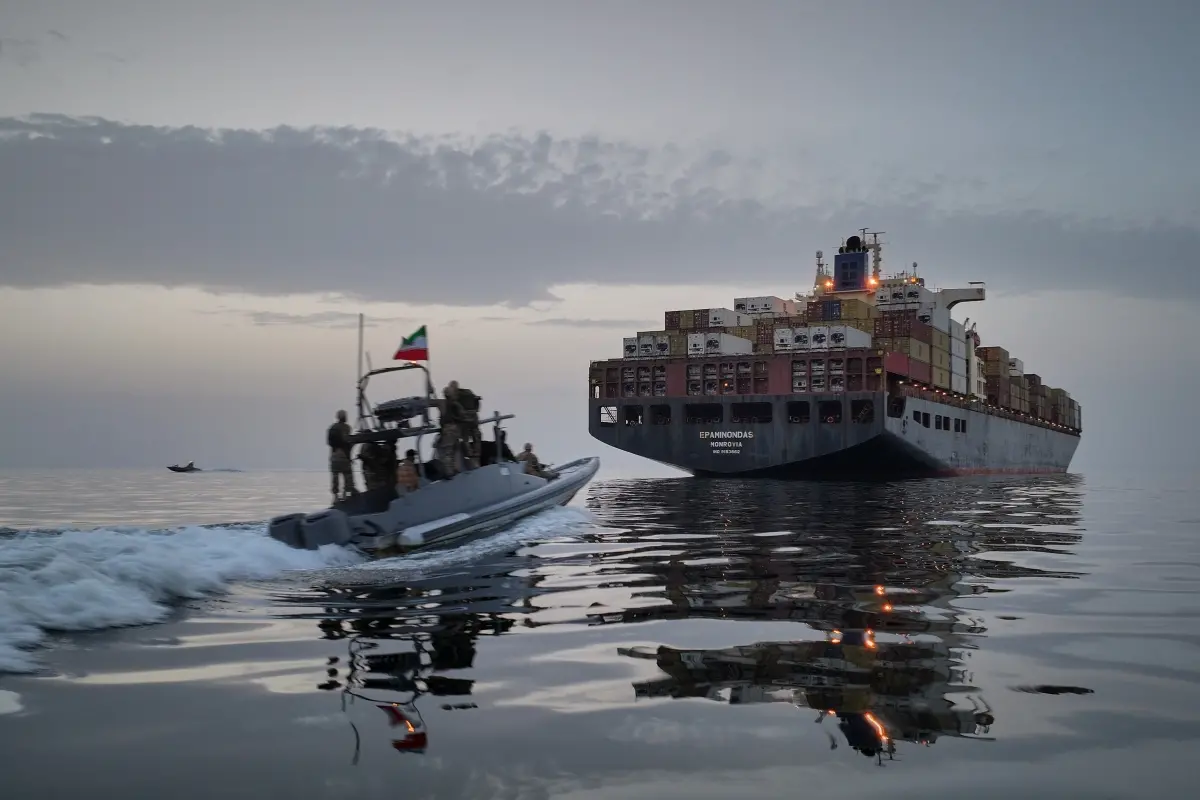
Tehran: Iran has indicated that its armed forces may take direct control of operations in the Strait of Hormuz, one of the world’s most critical oil shipping routes, amid rising tensions involving the United States and Israel.
The development comes as diplomatic and military tensions in the Middle East intensify, with both Washington and Tehran maintaining firm positions while continuing limited indirect communication through regional intermediaries.
According to statements from Iranian officials, the proposed framework would place the Strait of Hormuz under military authority, with restrictions on vessels deemed hostile. Iran has also suggested that economic and operational control of the waterway should align with its national currency and security policies.
The Strait of Hormuz is a vital passage for global energy supplies, making any escalation in control measures a matter of international concern.
Ongoing regional tensions
The broader conflict involving Iran, the United States and Israel continues to evolve, with diplomatic channels remaining active but unstable. Former US President Donald Trump has ruled out sending a delegation for in-person talks, stating that future communication would be conducted remotely.
At the same time, Iran’s foreign minister Abbas Araghchi has engaged in a series of regional visits, including Oman, Pakistan and Russia, as part of ongoing diplomatic efforts linked to de-escalation and negotiations.
Pakistan has been referenced as a potential communication channel between Tehran and Washington. However, Iranian lawmakers have expressed mixed views on Islamabad’s neutrality, raising questions about its role as a mediator.
Despite this, discussions involving Pakistani intermediaries have reportedly included proposals linked to reopening strategic shipping routes and reducing hostilities.
Wider regional impact
The situation is further complicated by continued military activity across the region, including reported Israeli strikes in Lebanon targeting Hezbollah-linked sites. These developments add pressure to an already fragile security environment.
In parallel, diplomatic discussions continue across multiple capitals, including Moscow, where Iran has held talks focused on ceasefire prospects and broader regional stability.
While diplomacy remains active, no concrete breakthrough has been achieved. The combination of military signalling, energy security concerns and stalled direct negotiations has kept the region on edge.
Control or restriction of the Strait of Hormuz remains one of the most sensitive flashpoints, given its importance to global oil transportation and trade stability.