Iran sets preconditions for US talks, demands Lebanon ceasefire and frozen assets
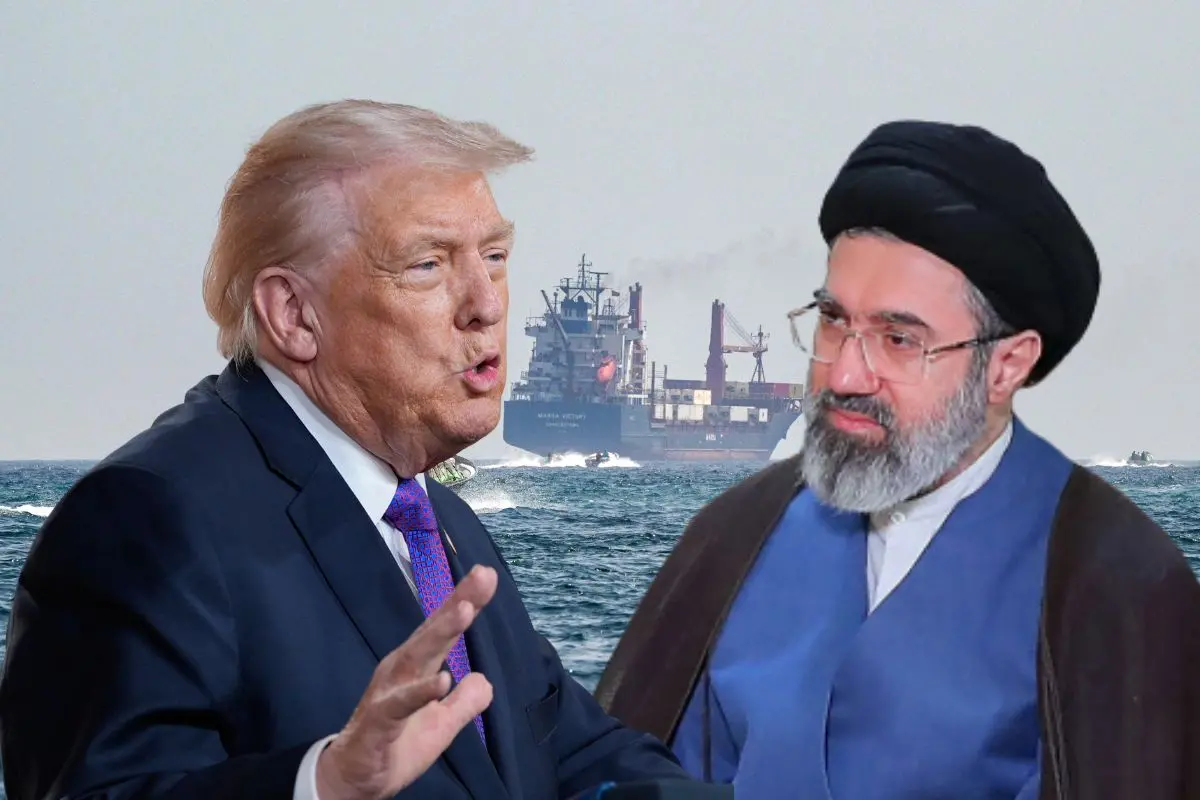
Washington: As United States President Donald Trump intensified his rhetoric over Iran and claimed that Iranian leaders remain in a position where they must negotiate to survive, Tehran on Friday laid out two key preconditions before formal talks can begin. The developments come as Vice President JD Vance was already en route to Islamabad for discussions scheduled for Saturday.
Iran outlines two key demands before talks
Iran has reportedly insisted that two conditions must be met before negotiations proceed. These include the unfreezing of Iranian assets held abroad due to sanctions and a broader ceasefire arrangement that extends to Lebanon.
According to Iranian parliamentary speaker Mohammad Baqer Ghalibaf, these conditions were already discussed and agreed upon with the United States, though he stated that talks would not begin unless they were fully implemented.
Iran has been unable to access tens of billions of dollars in overseas funds, largely generated from oil and gas exports, due to US sanctions targeting its key economic sectors, according to reports cited by Reuters.
Dispute over ceasefire terms and negotiations
Uncertainty continues over the exact terms under which a recent two-week ceasefire was reached on Wednesday, April 8, as both sides continue to present conflicting interpretations of the agreement.
Trump has claimed that Iran had agreed to abandon its nuclear programme, which he alleged was intended for weaponisation. However, Iran has denied agreeing to any such condition, maintaining that its uranium enrichment programme is solely for civilian energy production.
By Friday evening, Tehran further reinforced its position, linking progress in talks to developments in Lebanon and the release of frozen assets.
Iran’s Foreign Minister Abbas Araghchi supported Ghalibaf’s stance, explicitly calling for an end to Israeli airstrikes in Lebanon as part of broader de-escalation efforts.
Israel, however, has stated that Lebanon is not included in the ceasefire framework and maintains that ongoing strikes are aimed at Iran-backed Hezbollah positions.
US delegation prepares for talks as tensions rise
Pakistani sources indicate that both Ghalibaf and Araghchi are expected to be part of the Iranian delegation for the talks.
On the US side, Vice President JD Vance will lead the delegation, which is also expected to include Trump ally and special envoy Steve Witkoff along with Jared Kushner, the former president’s son-in-law.
The White House has not yet issued an official response to Iran’s newly stated conditions.
Trump escalates tone on Truth Social
In the absence of a formal US response, Trump issued a strongly worded post on Truth Social, criticising Iran’s negotiating position.
“The Iranians don’t seem to realize they have no cards, other than a short term extortion of the World by using International Waterways. The only reason they are alive today is to negotiate!” he wrote.
Strait of Hormuz remains a key pressure point
Although the ceasefire has paused US and Israeli airstrikes on Iran, it has not resolved tensions surrounding the Strait of Hormuz, a critical global shipping route that continues to face disruption, contributing to instability in global energy supplies.
The truce has also failed to ease parallel hostilities involving Israeli operations in Lebanon.
Trump earlier told the New York Post that US warships were being rearmed with advanced ammunition and could be deployed again if negotiations in Pakistan collapse.
Vance expresses cautious optimism ahead of talks
Before departing for Islamabad, JD Vance expressed hope for a constructive outcome, while also warning that the US delegation would not be receptive to any perceived attempts to manipulate negotiations.
“If they’re going to try to play us, then they’re going to find the negotiating team is not that receptive,” he said.
With agency inputs