Iran protests death toll tops 2,500 as authorities ease minimal phone restrictions
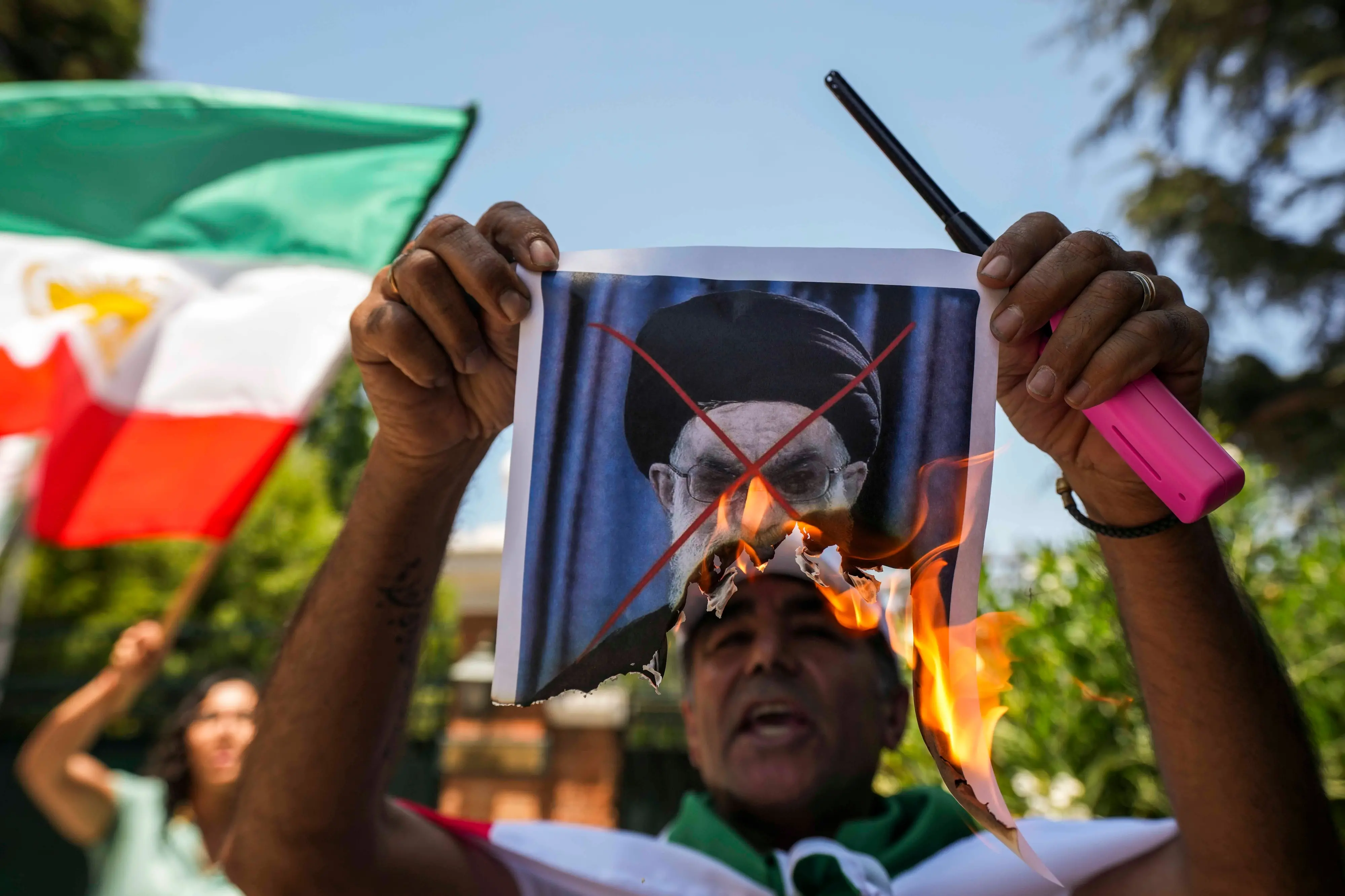
Iran eased some communications restrictions on Tuesday, allowing mobile phone users to make calls abroad for the first time in several days, as the death toll from nationwide protests continued to climb and foreign governments stepped up diplomatic pressure on Tehran.
Witnesses in Tehran said outgoing international calls were possible, but people outside Iran were unable to call back. SMS messaging remained blocked and internet access was still cut off from the outside world, with users limited to government-approved domestic websites. The restrictions were imposed late last Thursday as protests intensified.
Activists said at least 2,571 people have been killed during days of violent unrest, although Iranian authorities have not released an official nationwide figure. The U.S.-based Human Rights Activists News Agency reported that 1,847 of those killed were protesters and 135 were government-affiliated.
Iranian state television acknowledged heavy casualties, quoting Ahmad Mousavi of the Martyrs Foundation as saying the country had suffered “a lot of martyrs” during the protests. Officials blamed what they described as “armed and terrorist groups” for the violence. The semi-official Tasnim news agency said a funeral for members of the security forces killed in the unrest would be held on Wednesday at Tehran University, the first of several such ceremonies.
The limited easing of phone restrictions came amid heightened international concern. United Nations officials said more than 500 UN staff in Iran were safe and accounted for, with many working from home because of the unrest. The UN human rights chief, Volker Türk, called on Iranian authorities to immediately halt the violence, warning that reports of hundreds killed and thousands arrested were “deeply alarming”.
“The killing of peaceful demonstrators must stop,” Türk said, adding that talk of expedited trials and the possible use of the death penalty against protesters was “extremely worrying”.
Also Read | Erfan Soltani: The 26‑year‑old Iranian at centre of first reported protest-linked hanging
US intervention threats escalate tensions
Diplomatic tensions also escalated after US President Donald Trump urged Iranians on social media to “take over” government institutions, saying he had cancelled meetings with Iranian officials and telling protesters that “help is on its way”, without providing details. In response, Ali Larijani, secretary of Iran’s Supreme National Security Council, accused Mr Trump and Israeli Prime Minister Benjamin Netanyahu of being responsible for Iranian civilian deaths.
Russia’s foreign ministry described threats of intervention as “categorically unacceptable”, warning of “disastrous consequences” for regional and global security. It argued that the protests were rooted in social and economic problems linked to Western sanctions, and accused foreign actors of seeking to exploit unrest to destabilise Iran.
Europe moves towards sanctions and diplomatic action
European governments summoned Iranian ambassadors and announced plans for further sanctions. Germany and France condemned what they described as brutal repression of peaceful protesters, while the UK foreign secretary, Yvette Cooper, told Parliament that Britain was preparing “full and further sanctions” targeting Iran’s finance, energy and transport sectors. European Commission president Ursula von der Leyen said new EU sanctions against those responsible for the crackdown would be proposed swiftly.
Finland and the Netherlands also summoned Iranian diplomats, criticising internet shutdowns, mass arrests and the use of force. The European Parliament announced plans to ban Iranian diplomats and representatives, prompting Iran’s foreign minister to warn that Tehran would reciprocate any restrictions.
Meanwhile, Iranian and Qatari officials held talks on Tuesday, with Qatar’s prime minister, Sheikh Mohammed bin Abdulrahman Al Thani, saying he had reiterated Doha’s support for de-escalation and peaceful solutions. Qatar was previously drawn into regional tensions during last summer’s 12-day war between Iran and Israel.
German Chancellor Friedrich Merz said he believed the Iranian government was in its “final days and weeks”, arguing that a regime reliant on force had lost its legitimacy. Israeli military officials said they were monitoring developments closely but described the protests as an internal Iranian matter.
Despite Tuesday’s partial restoration of phone services, witnesses said there was no sign of a broader easing of the communications blackout. Internet access remained largely cut off from the outside world, underscoring the authorities’ efforts to control information as unrest continues across the country.
AP