Iran says its navy is ‘alive and well’ after Trump claims it was destroyed
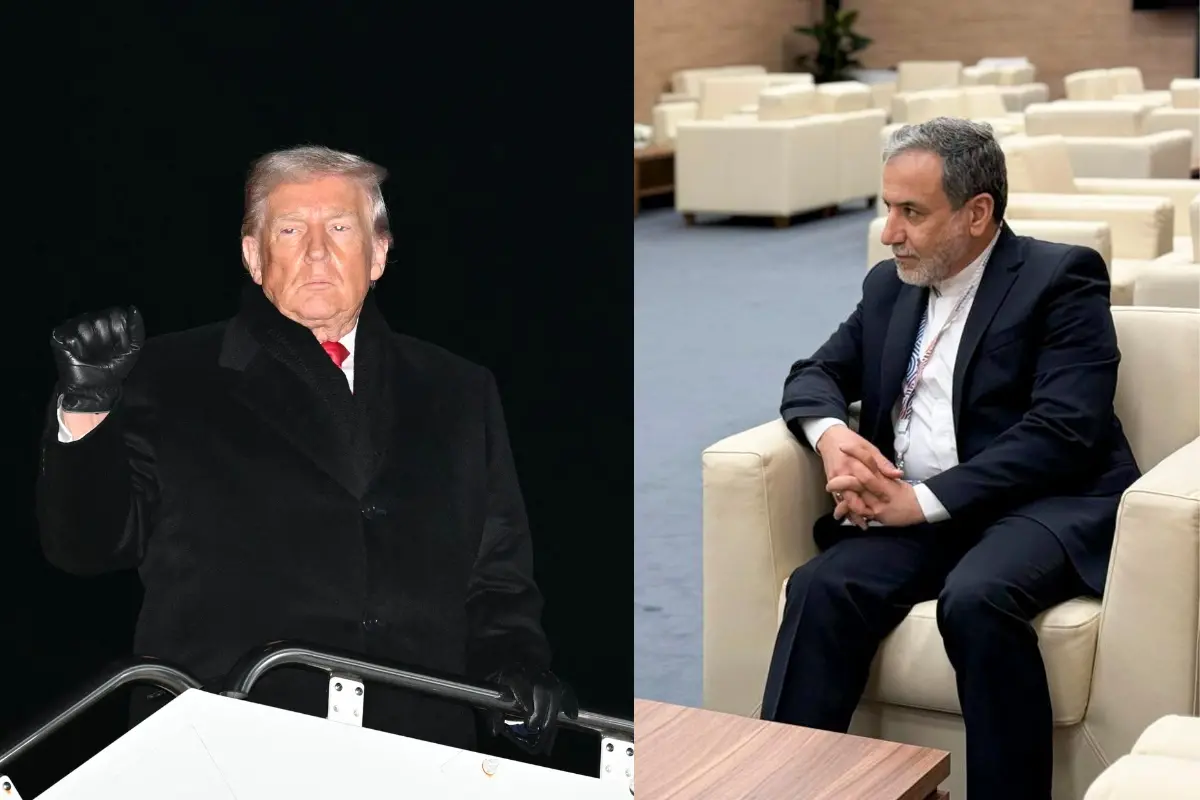
Tehran: Iran’s navy has pushed back against Donald Trump’s repeated claims that the country’s naval forces were destroyed, with commander Shahram Irani saying the navy remains “alive and well” as the conflict enters its sixth month.
Iranian Navy Commander Shahram Irani said the country’s navy remains operational after US President Donald Trump repeatedly claimed on social media that Iran’s naval ships had been destroyed.
Irani was quoted by Iran’s state broadcaster IRIB as saying the navy was “alive and well”. He also said Iran’s naval forces would continue their efforts to defend the country.
The remarks represent a direct rejection of Trump’s assessment of the damage inflicted on Iran’s naval capabilities during the conflict.
War enters its sixth month
The exchange comes as the war involving Iran, the United States and Israel enters its sixth month.
The conflict has affected security and energy supplies across the wider Middle East. Iran’s continued strategy involving the Strait of Hormuz has also created pressure on neighbouring countries and regional economies.
The waterway is a major route for global energy shipments, meaning prolonged disruption can have consequences well beyond the immediate conflict zone.
Iran’s navy forms part of the country’s broader military structure and operates alongside other naval and military forces.
Trump’s claims about the destruction of Iranian naval ships and Tehran’s subsequent rejection highlight the difficulty of independently assessing battlefield damage during an ongoing conflict.
Iranian officials continue to maintain that the country retains military capabilities and can respond to threats.
Wider regional fighting continues
The conflict has also continued to affect southern Lebanon, where Israeli forces have carried out military operations and air and artillery attacks.
Reports said Israeli forces advanced along areas near the Litani River, while strikes and shelling were reported in several villages.
In Gaza, deadly attacks have also continued despite a ceasefire, with Palestinian officials and residents reporting further casualties.
The conflict has also intensified economic difficulties for ordinary Iranians.
Residents interviewed by Al Jazeera described the impact of inflation and falling purchasing power. One Tehran-based technology worker said the value of his salary had fallen sharply despite receiving several pay increases.
The economic pressure has added to concerns about living standards as the conflict continues.
What the latest exchange means
The dispute over Iran’s navy illustrates the broader information battle surrounding the conflict.
While Washington has highlighted the damage inflicted on Iranian military infrastructure, Tehran continues to emphasise its ability to withstand attacks and maintain its military capabilities.
The conflicting claims come as the war continues to affect Iran, Israel, the United States and neighbouring countries, with the Strait of Hormuz remaining a major point of regional and global concern.
Why the navy claim matters
The disagreement is significant because naval capabilities are closely linked to Iran’s ability to operate in and around the Persian Gulf and Strait of Hormuz.
For the US and its allies, weakening Iran’s naval forces could reduce Tehran’s ability to threaten shipping and regional military assets. For Iran, demonstrating that its navy remains operational is important for maintaining deterrence and signalling that its military capacity has not been eliminated.
The conflicting statements therefore go beyond a single battlefield claim. They reflect competing narratives about the effectiveness of the war and whether the military objectives claimed by the opposing sides have actually been achieved.