Is Iran about to unleash all its fronts on Israel? Hezbollah, Hamas and Houthis in reported plan
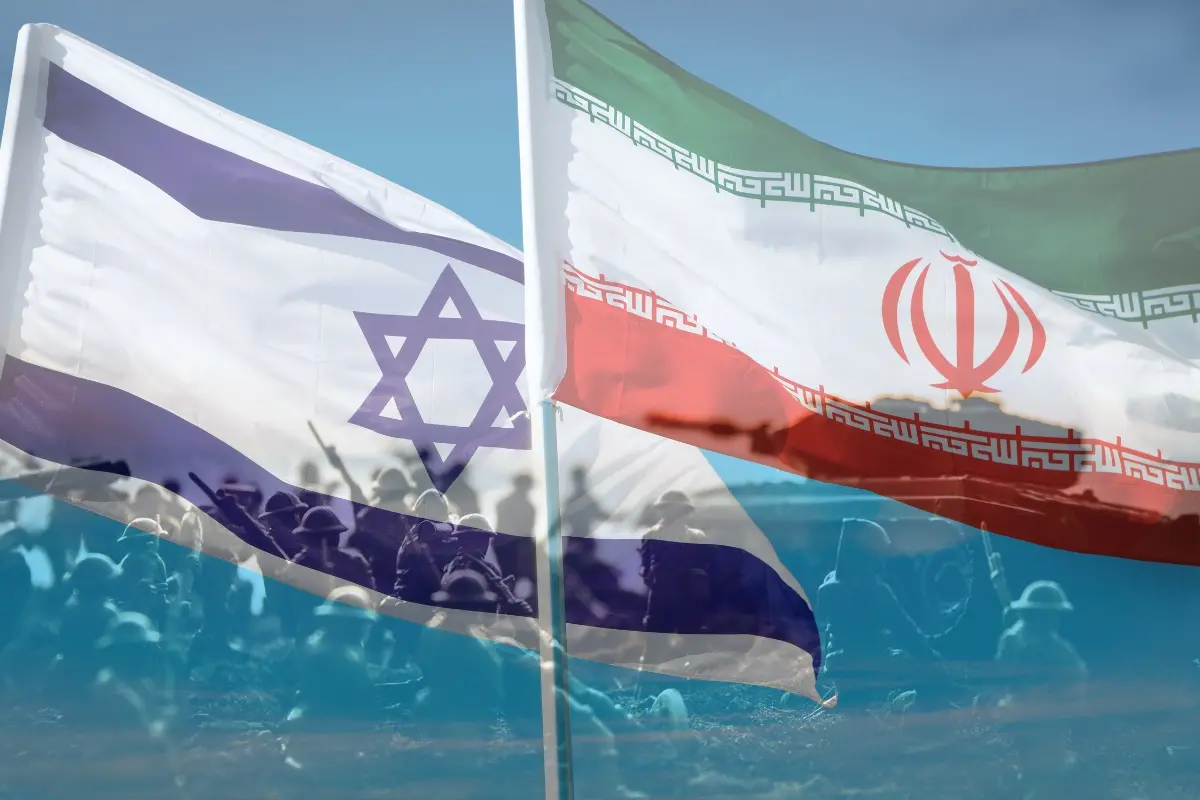
Tehran: Iran is reportedly seeking to coordinate a simultaneous multi-front campaign against Israel involving Hezbollah in Lebanon, Hamas, the Houthis in Yemen and pro-Iranian militias in Iraq, according to Israeli assessments cited by the Jerusalem Post.
The reported strategy would bring several fronts into action at the same time rather than relying on separate groups to escalate independently.
Iran seeks coordinated regional campaign
According to the report, Tehran is considering a strategy in which its own forces and allied groups would coordinate attacks against Israel from multiple directions. The reported plan includes Hezbollah in Lebanon, Hamas in Gaza, the Houthis in Yemen and Iran-aligned militias in Iraq.
The assessment comes amid renewed tensions across the Middle East. Israeli forces carried out strikes in southern Lebanon on September 6 after Israel said Hezbollah had launched drones towards its forces. The strikes killed four people, according to Lebanon's health ministry, and further strained an already fragile ceasefire.
The reported Iranian strategy would seek to create simultaneous pressure on Israel from several theatres, potentially making it more difficult for Israeli forces to concentrate on a single front.
Reported Quds Force coordination
The Jerusalem Post report, citing Israeli assessments and Iranian sources, said senior officials from Iran's Islamic Revolutionary Guard Corps, particularly the Quds Force, had held discussions with commanders from Hezbollah, the Houthis and Iraqi militias.
The discussions reportedly focused on expanding coordination and preparing the groups for a wider confrontation. Iranian advisers were also reportedly involved with allied forces on the ground.
The reports further claim that Iran has been rebuilding missile and drone capabilities damaged during previous fighting while seeking closer operational links between its regional partners.
Why October 7 is central to the assessment
The reported strategy is being compared with the October 7, 2023 attack by Hamas, but with one major difference.
Hamas launched its assault without a fully coordinated simultaneous attack from Iran and Hezbollah. Hezbollah began firing at Israel from Lebanon after the Hamas attack, but it did not open a large-scale offensive on the same morning.
Israeli and US assessments have previously indicated that Iran and Hezbollah were not informed in advance about all the operational details or the precise timing of the October 7 assault.
The latest reported plan would attempt to address that gap by preparing multiple fronts to act together from the beginning of a future conflict.
Iran's regional network under pressure
The reported preparations come as the balance within Iran's regional network has changed.
Damage suffered by Hezbollah and the fall of the Assad government in Syria have increased the strategic importance of other Iran-aligned groups, particularly the Houthis and Iraqi militias, according to the assessments cited in the report.
There have also been reports of increased military cooperation and joint training among some of the groups. Reuters reported in July that Iran-aligned Houthis had carried out an attack from Iraqi territory in coordination with Iraqi armed groups, highlighting the potential for greater cross-border cooperation.
What the reported plan could mean
If the reported strategy were implemented, Israel could face simultaneous threats from Lebanon, Gaza, Yemen and Iraq, alongside any direct Iranian military action. Such coordination would represent a significant escalation compared with separate attacks conducted by individual Iran-aligned groups.
However, the reported plan remains an assessment rather than confirmation of an imminent attack. Iran has not publicly confirmed that it has ordered such an operation, and the details come primarily from Israeli assessments reported by the Jerusalem Post.
The reports emerge as tensions are already rising across the region. Fighting involving Iran, Israel, Hezbollah and other Iran-aligned groups has resumed or intensified in several areas after earlier ceasefire arrangements, increasing concern that separate conflicts could become more closely connected.
For Israel, the possibility of a coordinated multi-front campaign would create a substantially different military challenge from the fragmented attacks seen during earlier phases of the conflict. For the wider region, it could increase the risk of a broader confrontation involving several countries and armed groups simultaneously.