‘Only a negotiated solution’: Iran doubles down on diplomacy after Trump rejects peace proposal
The Strait of Hormuz has emerged as the centrepiece of a high-stakes diplomatic standoff, with Iran insisting that the crucial waterway will not reopen unless its conditions are met, even as US President Donald Trump has publicly rejected Tehran’s proposal to end the fighting.
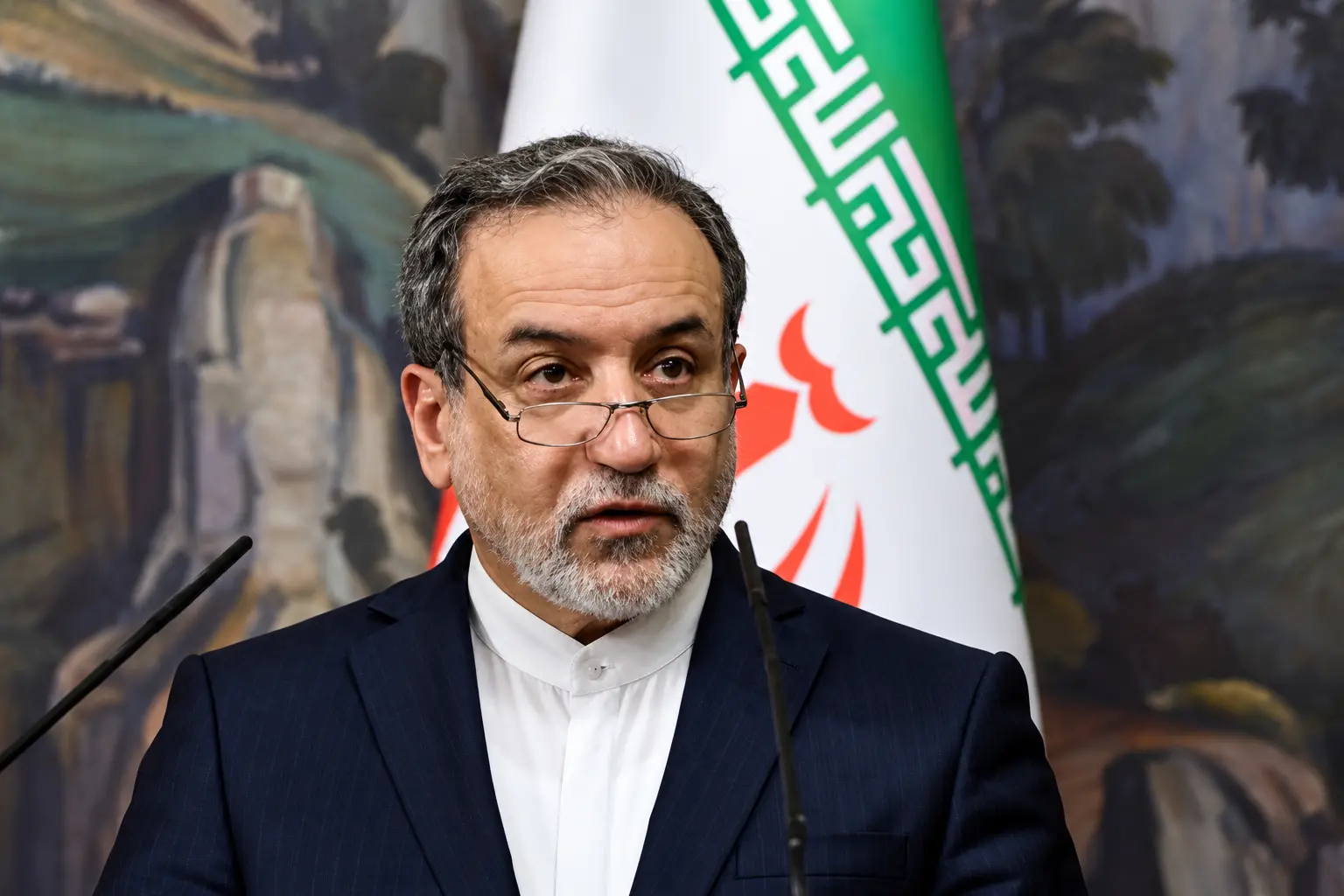
Iranian Foreign Minister Abbas Araqchi said on Sunday that diplomacy remained the only way out of the crisis, but that any reopening of the strait would depend on Iran’s conditions being met.
‘Our conditions are clear, and any move toward reopening the Strait of Hormuz is contingent on these conditions being met,’ Araqchi said in a social media post. ‘Only a negotiated solution can get them out of this deadlock.’
The comments came after Trump said on Saturday that he had rejected an Iranian proposal presented earlier this week at the United Nations General Assembly in New York.
Tehran said the proposal was conveyed to Washington through Qatari mediators and aimed to pave the way for an end to hostilities and the reopening of the strategically vital waterway.
Trump, however, dismissed the proposal and portrayed Iran’s push for an agreement as a sign that Tehran was under severe pressure.
‘They want to make a deal to open the Hormuz Strait immediately because they're losing so badly,’ Trump told reporters at the White House.
Iran says US rejection not officially conveyed
Despite Trump’s public remarks, Tehran says it has not yet received an official communication from the mediators confirming that Washington has rejected the proposal.
Araqchi said Iran was waiting for the mediators to convey the US position formally before deciding its next step.
‘We are waiting for the mediators to convey the definitive views to us, and we will make a decision based on them,’ he said.
The difference between Trump’s public comments and the diplomatic channel’s communication leaves the proposal in an uncertain position as mediators continue efforts to facilitate discussions between Washington and Tehran.
Earlier, a US official had described the discussions taking place through mediators as ‘positive and constructive’.
The Wall Street Journal, meanwhile, reported that Trump had rejected the Iranian proposal, citing unnamed US officials.
The report said Trump was privately doubtful that Tehran would meet his demands and had told his staff that he considered a renewed bombing campaign likely after the November US midterm elections.
Hormuz crisis threatens global oil flows
The dispute over the Strait of Hormuz has implications well beyond the US-Iran confrontation.
The conflict, now in its seventh month, has disrupted oil flows through one of the world's most important shipping routes and added to pressure on the global economy.
The US has imposed an economic blockade on Iran in an effort to pressure Tehran to halt attacks on vessels in the strait. Shipping through the waterway has fallen sharply, even as Trump has repeatedly asserted that the United States controls it.
Iran has also been engaging with Saudi Arabia, its regional rival, over the Strait of Hormuz, underlining the wider regional consequences of the confrontation.
Araqchi said at the United Nations on Friday that Tehran’s proposed arrangement would set a seven-day countdown towards reopening the strait while also providing for a pause in regional fighting.
‘If there is seriousness on the US side to come to a deal and reopen the Strait of Hormuz, everything is now prepared,’ Araqchi told reporters.
Under the proposal, the sides could then move towards broader negotiations covering issues agreed upon by both parties.
Nuclear programme remains key sticking point
Any wider negotiations could potentially include Iran’s nuclear programme, one of the most contentious issues between Tehran and Washington.
Trump has repeatedly maintained that Iran must never acquire a nuclear weapon.
Tehran, however, has indicated that it will not compromise on what it describes as its rights, including uranium enrichment or sending its highly enriched uranium out of the country.
A senior Iranian official told Reuters that Iran would show no flexibility on its nuclear programme even if Washington accepted the peace proposal.
Iranian President Masoud Pezeshkian, speaking to CBS programme Face the Nation, said Tehran was prepared to discuss its nuclear programme and other issues, but rejected what he described as bullying or coercion.
‘Iran is not seeking war, but will defend itself against pressure, threats and attacks,’ Pezeshkian said, adding that Tehran had already agreed that it was “not supposed to develop nuclear weapons”.
Seven months of war
The current conflict began on February 28 with US and Israeli attacks and has since moved through periods of fighting and temporary pauses.
Thousands have been killed, while Iran’s conventional military capabilities have been degraded and its already struggling economy has suffered further damage.
Iran and its allies have also widened the conflict across the region.
Tehran has launched drone and missile attacks against US allies in the Gulf, while its Houthi allies in Yemen have targeted Saudi interests.
With the Strait of Hormuz now at the heart of negotiations, Tehran’s latest statements suggest that reopening the waterway remains tied to a broader diplomatic settlement. Washington, meanwhile, has yet to formally communicate through mediators whether it is prepared to engage with the terms put forward by Iran.