What are cluster bombs? Iran’s alleged use raises global alarm over ‘deadly legacy’
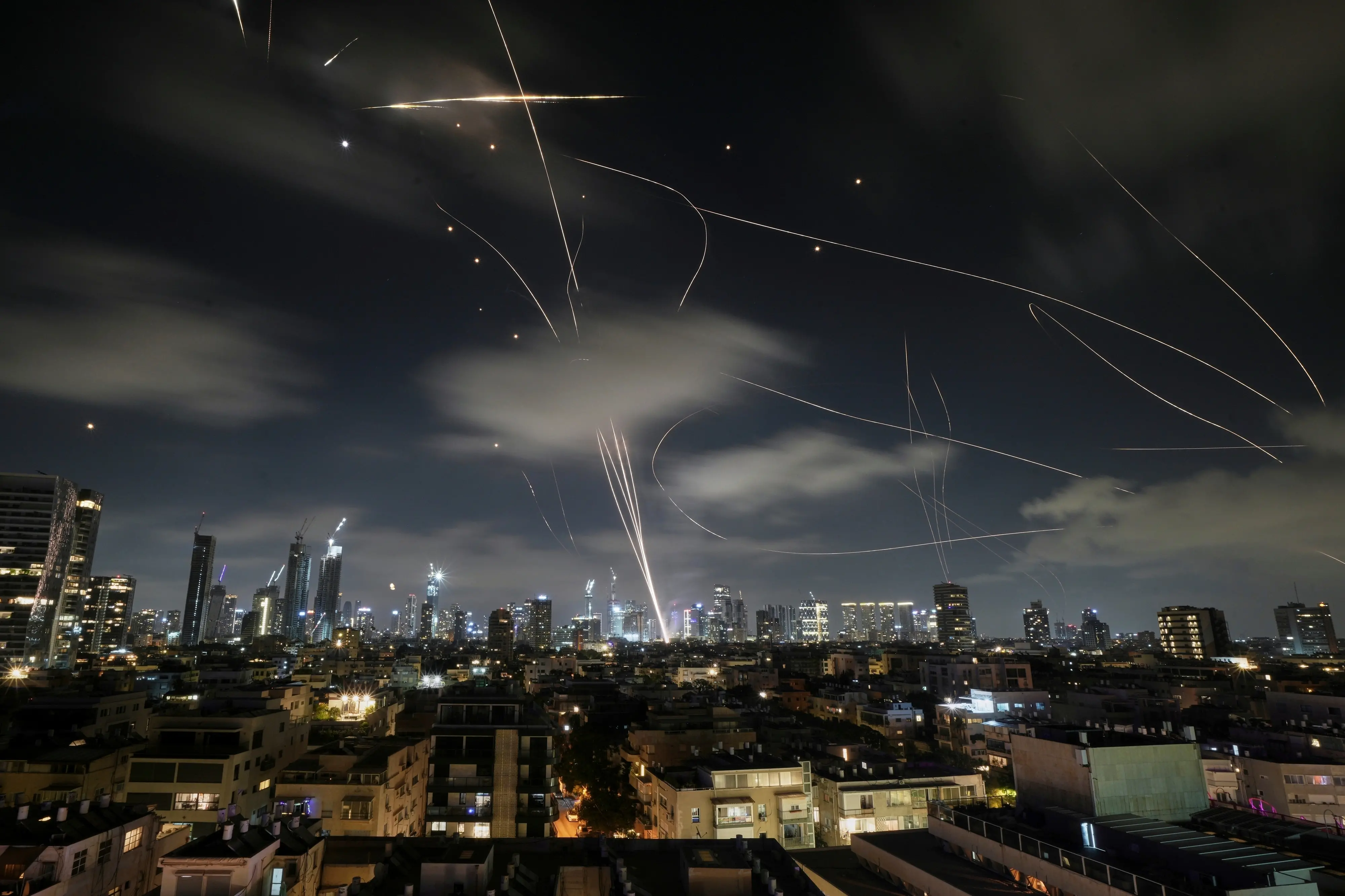
In a concerning escalation of hostilities, Iran reportedly used a cluster bomb warhead during its June 19 missile strike on Israel, according to the Israeli Defense Forces (IDF).
The weapon — which explodes mid-air to scatter smaller bombs or submunitions over a wide area — is known for its indiscriminate impact and long-lasting threat to civilians.
The IDF confirmed that at least one missile fired by Iran detonated approximately 7 km above ground, releasing about 20 submunitions across an 8 km radius in central Israel. One of these struck a residential home in Azor, causing property damage but no immediate casualties.
The Israeli Home Front Command issued a warning on social media platform X, cautioning civilians: “Do not touch any suspicious objects. Call emergency services immediately.”
Why are cluster bombs so controversial?
Cluster bombs are controversial due to two main reasons:
Indiscriminate spread – The bomblets often fail to detonate on impact and can remain lethal for years.
Long-term danger – Unexploded ordnance (UXO) poses ongoing threats to civilians, especially children, long after fighting ends.
Daryl Kimball, executive director of the Arms Control Association, noted: “They are egregious weapons... especially in civilian areas. They leave behind a deadly legacy.”
Are they banned under international law?
Yes — but not by all. The 2008 Convention on Cluster Munitions bans the use, stockpiling, and transfer of such weapons. While over 100 countries have signed it, Iran, Israel, the US, Russia, and Ukraine have not.
Despite the ban, cluster bombs have been used in numerous modern conflicts, including:
- Russia in Ukraine
- The US in Iraq and Afghanistan
- Saudi-led coalition in Yemen
What are cluster bombs, and how do they differ from regular missiles?
Unlike a traditional missile that explodes in one blast, a cluster bomb is designed to maximise area damage. It opens mid-air and scatters dozens to hundreds of bomblets. These submunitions, which are not guided, are intended to explode on impact — but many often don’t.
They are notoriously imprecise. Weather, wind, and terrain can affect their trajectory, making civilian areas just as vulnerable as military targets.
History of use
Cluster munitions have existed since World War II, with widespread production during the Cold War to strike dispersed enemy units, tanks, or runways. Since then, their devastating legacy — especially when used in populated zones — has prompted international outcry and led to the 2008 ban treaty.