Iran claims it downed 260 hostile aircraft, seized seven intact drones
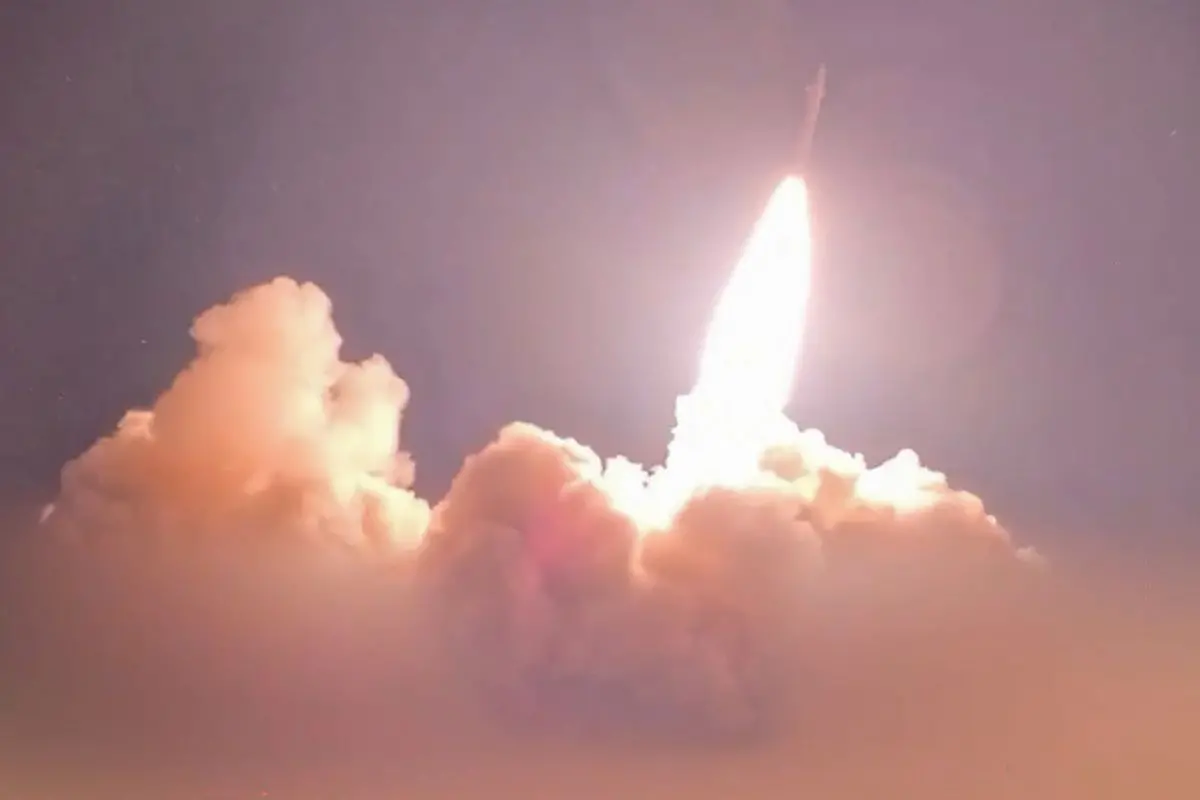
Tehran: Iran's Islamic Revolutionary Guard Corps (IRGC) has claimed that its air defence units shot down 260 hostile aircraft during recent hostilities involving the United States, while also recovering seven reconnaissance drones intact.
IRGC Aerospace Force spokesman Brigadier General Hossein Mohebbi made the claims during a press briefing at the Sarcheshmeh Cultural Complex in Tehran on Saturday, as part of the force's commemorative Aerospace Week celebrations, the semi-official Mehr News Agency reported.
Mohebbi said Iran had strengthened its air defence capabilities and expanded its underground missile and drone production facilities despite enemy bombardment.
“By establishing flexible production capabilities and continuing to manufacture missiles and drones under enemy bombardment, we managed to move production facilities from above ground to underground,” he said.
He added that specialised equipment would be displayed during the commemorative week, allowing the public to view the country's military developments.
The IRGC spokesman also claimed that Iranian forces had recovered seven reconnaissance drones intact over the previous fortnight.
“Over the past week or two, we have brought down seven MQM-170 reconnaissance drones intact. This is nothing but a demonstration of our technological superiority over the enemy,” Mohebbi said.
Warning of Iran's military preparedness in the event of another conflict, he said, “If another war breaks out, the world will witness the IRGC Aerospace Force’s new capabilities, and our enemies will be astonished by its strength and power.”
Highlighting the force's technological development, Mohebbi identified three major achievements: the development of indigenous scientific expertise, domestic manufacturing capabilities and military self-sufficiency.
“The first strategic achievement of the IRGC Aerospace Force is the generation of indigenous knowledge and the localisation of global knowledge within the aerospace industry,” he said.
According to Mohebbi, these developments had transformed Iran from a country dependent on imported military equipment into a defence exporter.
“This development served as the catalyst for sweeping changes within the nation’s defence and offensive industry, transforming us from an importer of military weaponry into an exporter in the aerospace sector,” he added.
He said Iran's domestic defence industry now produces equipment to meet national requirements while also supplying international markets. These include the Arman missile, the 358 drone and the Khordad-3 air defence system.
“Today, in addition to meeting domestic needs, we have become an exporter of defence equipment and products—a significant achievement for the country.”
The third pillar, he said, was achieving self-reliance by reducing dependence on foreign suppliers for military hardware and components.
“Today, the Aerospace Force’s weaponry is produced based on indigenous knowledge and expertise; we do not rely on foreign nations to supply the arms, equipment and components we require.”
Mohebbi also paid tribute to personnel, veterans and commanders associated with the Aerospace Force, describing the commemorative week as an opportunity to highlight its achievements.
“Aerospace Week serves as a valuable opportunity to honour martyrs of the Aerospace Force, its veterans, commanders and their esteemed families, as well as to highlight the salient achievements and performance of the IRGC Aerospace Force.”